Zhang Taehun
ย้อนไปเมื่อวันที่ 18 ก.ย. 2568 ราชกิจจานุเบกษาเผยแพร่กฎหมาย พ.ร.บ.คุ้มครองและส่งเสริมวิถีชีวิตกลุ่มชาติพันธุ์ พ.ศ. 2568 ประกาศบังคับใช้อย่างเป็นทางการ ซึ่งหากดูเส้นทางของกฎหมายฉบับนี้ตามรายงานของศูนย์มานุษยวิทยาสิรินธร (องค์การมหาชน) ต้องบอกว่ากฎหมายฉบับนี้มีความเป็นมายาวนาน–นับตั้งแต่ปี 2553 ที่รัฐบาลไทยยอมรับการมีอยู่ของกลุ่มชาติพันธุ์อย่างเป็นทางการ ผ่านการออกมติคณะรัฐมนตรี (ครม.) เรื่อง ‘แนวนโยบายในการฟื้นฟูวิถีชีวิตชาวเล’ และ ‘แนวนโยบายในการฟื้นฟูวิถีชีวิตชาวกะเหรี่ยง’ วันที่ 2 มิ.ย. และ 3 ส.ค. 2553 ตามลำดับ
สาระสำคัญของ พ.ร.บ.คุ้มครองและส่งเสริมวิถีชีวิตกลุ่มชาติพันธุ์ พ.ศ.2568 แบ่งเป็น 2 ส่วน คือ 1.การกำหนดหลักพื้นฐานแห่งสิทธิของกลุ่มชาติพันธุ์ อาทิ คุ้มครองสิทธิในศักดิ์ศรีความเป็นมนุษย์ สิทธิในการสืบทอดวัฒนธรรม สิทธิในการจัดการศึกษา สิทธิในที่ดินและทรัพยากร สิทธิในการดำเนินวิถีชีวิตและพัฒนาตนเอง สิทธิในการมีส่วนร่วม และสิทธิในการเข้าถึงสาธารณูปโภคขั้นพื้นฐานและบริการของรัฐ กับ 2.กลไกการขับเคลื่อนการคุ้มครองสิทธิและส่งเสริมวิถีชีวิตกลุ่มชาติพันธุ์ ผ่านกลไกเชิงนโยบาย กลไกการมีส่วนร่วม กลไกวิชาการ และกลไกเชิงพื้นที่
แต่ถึงจะมีกฎหมายแล้ว สิ่งที่ต้องตามกันต่อไปคือกฎหมายจะช่วยแก้ปัญหาสิทธิด้านต่าง ๆ ของกลุ่มชาติพันธุ์ได้อย่างไร โดยเฉพาะ ‘สิทธิด้านสถานะบุคคล’ ซึ่งเป็นจุดเริ่มต้นของสิทธิด้านอื่น ๆ ที่จะตามมาภายหลังหากได้รับการรับรอง ไม่ว่าจะเป็นการตั้งถิ่นที่อยู่อาศัย การประกอบอาชีพ การเดินทาง การศึกษา การรักษาพยาบาล
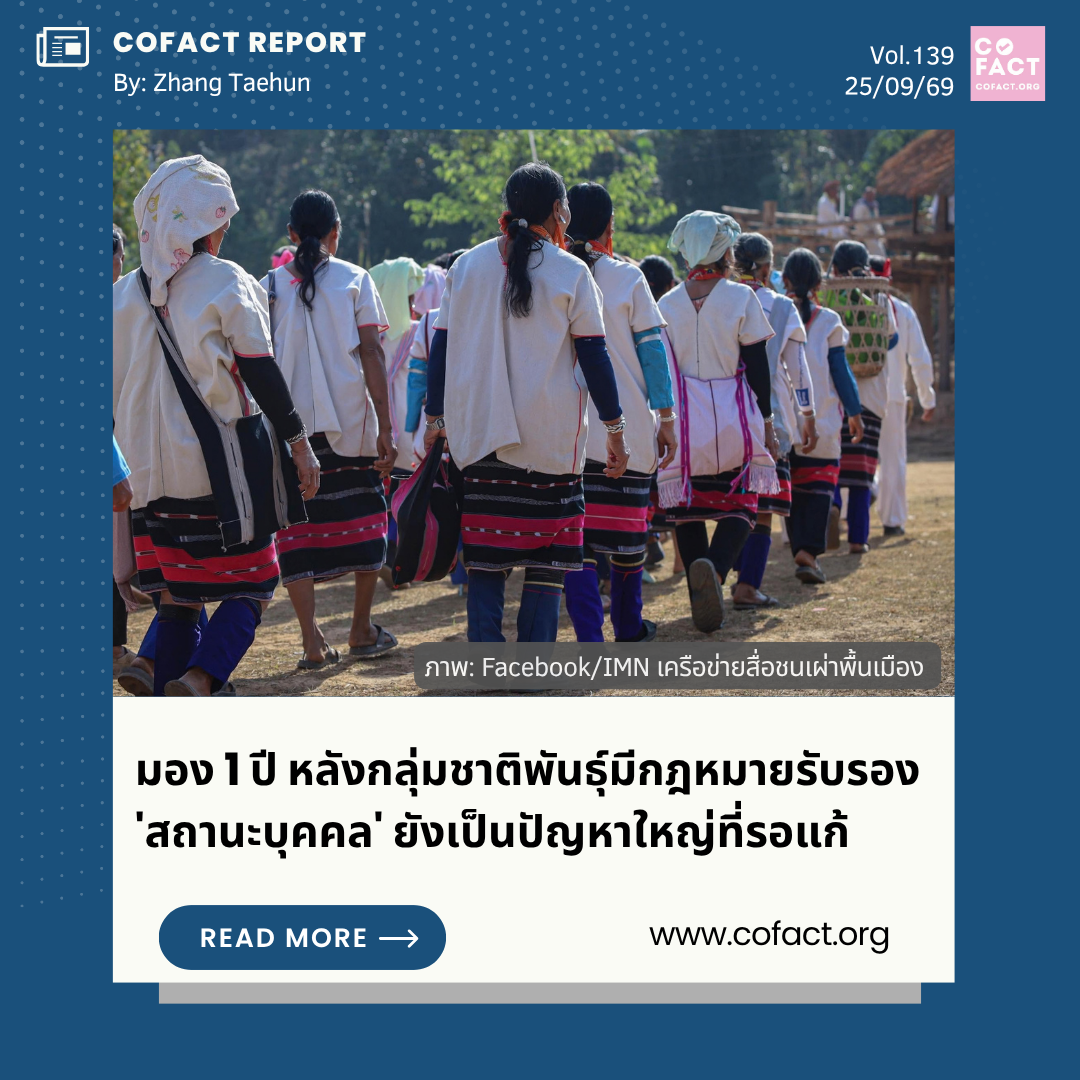
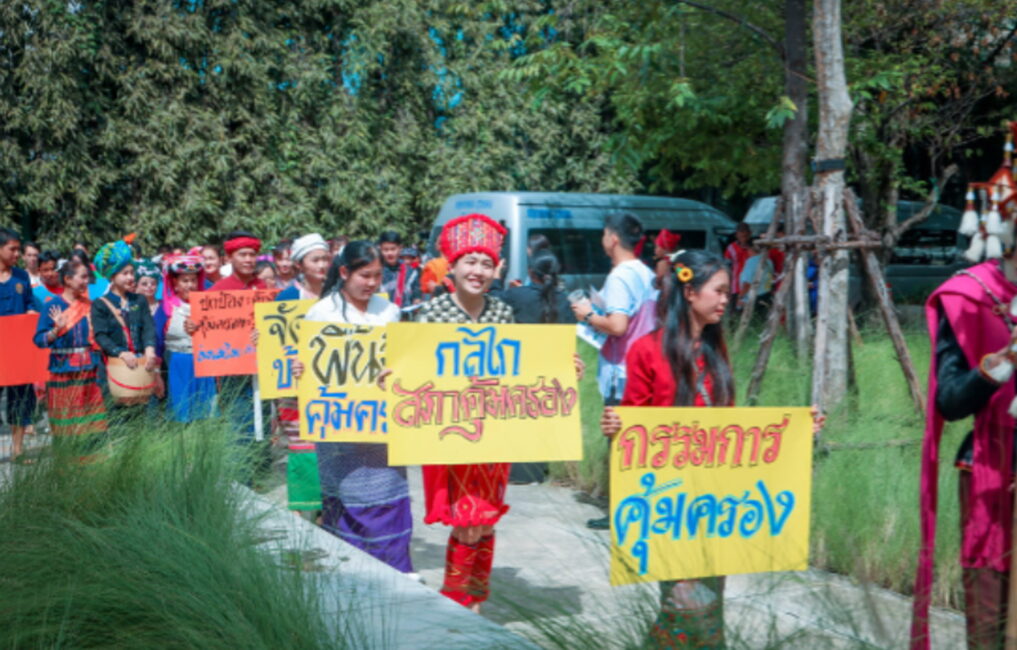 กลุ่มชาติพันธุ์และชนเผ่าพื้นเมืองร่วมเฉลิมฉลอง พ.ร.บ.ชาติพันธุ์
ที่มา: ศูนย์มานุษยวิทยาสิรินธร (องค์การมหาชน)
‘สถานะบุคคล’ ปัญหาตกค้างที่รอการแก้ไข
ความเคลื่อนไหวครั้งล่าสุดคือ มติ ครม. วันที่ 29 ต.ค. 2567 โดยในเวลานั้นมีรายงานกลุ่มชาติพันธุ์หรือชนกลุ่มน้อยที่อพยพเข้าไทย และบุตรของคนกลุ่มนี้รวม 483,626 คน ตามด้วยมติ ครม. วันที่ 30 มิ.ย. 2569 ขยายการดำเนินการออกไปถึงวันที่ 30 มิ.ย. 2570 เนื่องจากดำเนินกระบวนการคัดกรองไปได้เพียง 140,470 คน หรือร้อยละ 29.05
รัชดา ธนาดิเรก โฆษกประจำสำนักนายกรัฐมนตรีในขณะนั้น ชี้แจงว่า เหตุที่ต้องขยายเวลาเพราะการดำเนินการที่ผ่านมา มีความคืบหน้าน้อยมาก ซึ่งสาเหตุหลัก คือ กลุ่มเป้าหมายยังไม่มารายงานตัวเพื่อยื่นคำขอพัฒนาสถานะ ทั้งนี้ หลักเกณฑ์และคุณสมบัติยังคงเดิมทุกประการ อาทิ 1.กรณีกลุ่มบุคคลที่อพยพเข้ามาอยู่ในราชอาณาจักรเป็นเวลานาน (พิจารณาให้หนังสือรับรองการได้รับอนุญาตให้มีถิ่นที่อยู่ในราชอาณาจักร) คุณสมบัติทั่วไปของผู้ยื่นคำขอ เช่น ไม่สามารถกลับประเทศต้นทางหรือไม่พบหลักฐานการมีและการใช้สัญชาติอื่น กับ 2.กรณีบุตรของชนกลุ่มน้อยหรือกลุ่มชาติพันธุ์ที่เกิดในราชอาณาจักรไทย (พิจารณาให้สัญชาติ) โดยต้องเป็นบุตรของบุคคลที่ได้รับการสำรวจจัดทำทะเบียนประวัติไว้ในอดีตจนถึงปี 2542 และที่ทำสำรวจเพิ่มเติมปี 2548 -2554
ก่อนหน้านั้นเมื่อวันที่ 22 พ.ค. 2569 สุมิตร วอพะพอ ผู้เชี่ยวชาญด้านสถานะบุคคล มูลนิธิศุภนิมิตแห่งประเทศไทย ให้สัมภาษณ์กับรายการ IMN Live Special EP.#29 ของเครือข่ายสื่อชนเผ่าพื้นเมืองในหัวข้อ “ไม่มีบัตร = ไม่มีสิทธิ? ผ่าทางตันปัญหาสถานะบุคคล ‘ชนเผ่าพื้นเมือง’ ดั้งเดิม” ว่า สาเหตุที่ยังมีคนตกหล่นทั้งที่ภาครัฐของไทยพยายามสำรวจประชากรกลุ่มชาติพันธุ์มาแล้วหลายครั้งอยู่ที่เงื่อนไขการคัดกรอง อาทิ
1.เงื่อนไขด้านเวลา เช่น ระบุต้องเป็นคนที่เข้ามาอยู่ในไทยก่อนวันที่ 1 ต.ค. 2542 จึงจะเข้ากระบวนการได้ 2.เงื่อนไขด้านความสัมพันธ์ ต้องมีความเป็นเครือญาติกับคนที่เข้ากระบวนการสำรวจไปแล้ว 3.เงื่อนไขด้านการอยู่อาศัย ต้องมีที่อยู่อาศัยเป็นหลักแหล่งในประเทศไทย 4.เงื่อนไขด้านการเดินทาง ต้องไม่เดินทางกลับออกไปประเทศอื่น และ 5.การต้องมีพยานบุคคลรับรอง ซึ่งมีตัวอย่างของปัญหา เช่น เดิมอยู่ จ.เชียงราย แต่ต่อมาย้ายไปอยู่ จ.เชียงใหม่ เพียงแต่ด้วยความที่มาอยู่ยังไม่นานทำให้ไม่มีใครรับรองสถานะ เป็นต้น
“ยังมีเงื่อนไขที่ผู้นำชุมชน คือผู้ใหญ่บ้านหรือผู้ช่วยผู้ใหญ่บ้านต้องรับรองเขาด้วย แต่ถ้าประชากรคนนั้นมีปัญหากับผู้ช่วยหรือผู้ใหญ่บ้าน เขาไม่รับรองก็มีปัญหาอีก ท้ายที่สุดที่สำคัญ เราก็ไม่อยากพูด มันก็มีผู้นำที่ดี ผู้นำที่มือสะอาด และผู้นำที่มือสกปรก เช่น เรียกรับผลประโยชน์อะไรต่าง ๆ ดังนั้นคนที่มีสิทธิ์แต่ไม่มีเงินก็ไม่ได้รับการสำรวจ มันเป็นเหตุผลหนึ่งที่ทำให้เกิดการตกหล่น” สุมิตรกล่าว
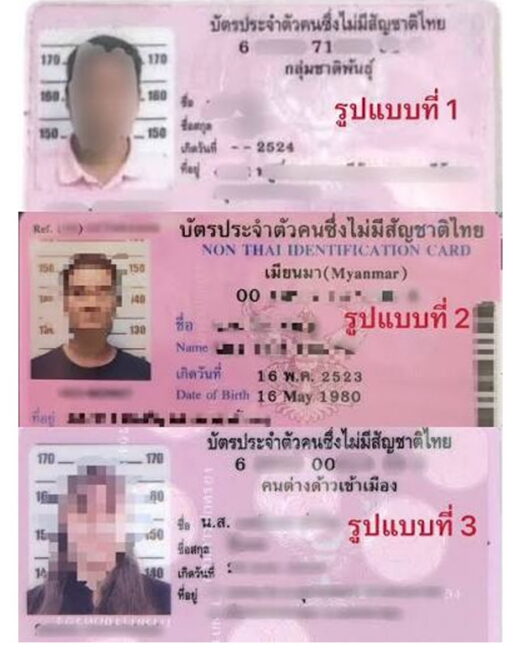 บัตรประจำตัวคนซึ่งไม่มีสัญชาติไทย (บัตรชมพู) แม้จะมีสีหรือเลขตัวแรกเหมือนกัน
แต่สถานะทางกฎหมายนั้นแตกต่างกัน ที่มา: เพจ ‘คลินิกกฎหมาย มูลนิธิกระจกเงา’
‘บัตรเลข 6 สีชมพู’ เมื่อกลุ่มชาติพันธุ์ถูกเข้าใจอย่างสับสนว่าเป็นบุคคลต่างด้าว
หากยังจำกันได้ ในเดือนมีนาคม 2569 เกิดกรณีกลุ่มคนรวมตัวกันไปทำร้ายร่างกายชายหนุ่มเชื้อสายกะเหรี่ยง โดยอ้างว่าชายคนดังกล่าวเป็นบุคคลต่างด้าวและมีพฤติกรรมหาเรื่องคนไทย อย่างไรก็ตาม ฝ่ายผู้ถูกทำร้ายที่เข้าแจ้งความได้ยืนยันว่าตนเองเป็นชาวกะเหรี่ยงที่เกิดและเติบโตใน จ.กาญจนบุรี โดยมีผู้ใหญ่บ้านช่วยยืนยันว่า หนุ่มชาวกะเหรี่ยงรายนี้เกิดและเติบโตในประเทศไทย มีพยานรับรองและอยู่ระหว่างดำเนินการขอมีบัตรประชาชนไทย ขณะที่หนึ่งในผู้ก่อเหตุก็ยอมรับผ่านสื่อว่าตนเองไม่มีความรู้เรื่องกลุ่มชาติพันธุ์และเข้าใจว่าคู่กรณีเป็นบุคคลต่างด้าว
จากนั้นในเดือนพฤษภาคม 2569 มีกรณีตำรวจจับกุมชายชาวจีนพร้อมอาวุธสงครามที่ จ. ชลบุรี และเมื่อตรวจสอบพบว่าผู้ถูกจับกุมถือบัตรประจำตัวคนซึ่งไม่มีสัญชาติไทย ที่มีตัวเลขแรกคือ ‘เลข 6’ และเป็น ‘บัตรสีชมพู’ โดยทั้งตัวเลขแรกและสีของบัตรนั้นเหมือนกับบัตรประจำตัวคนซึ่งไม่มีสัญชาติไทยที่ออกให้กับกลุ่มชาติพันธุ์ที่อยุ่ระหว่างรอกระบวนการคัดกรองเพื่อยื่นขอสัญชาติไทย
บัณฑิต นามเครือ ผู้อำนวยการส่วนสัญชาติและการทะเบียนและบัตรประจำตัวบุคคลผู้ไม่มีสัญชาติไทย สำนักบริหารการทะเบียน กรมการปกครอง เคยอธิบายกับทีมงานโคแฟคว่า บัตรประจำตัวคนซึ่งไม่มีสัญชาติไทย กรณีเลขตัวแรกเป็นเลข 6 จะหมายถึงบุคคล 2 กลุ่ม คือ
1. กลุ่มชาติพันธุ์ คือ กลุ่มที่แสดงว่าบุคคลนั้นได้ผ่านกระบวนการสำรวจและจัดทำทะเบียนประวัติ ได้แก่ บุคคลที่เข้าเมืองโดยไม่ชอบด้วยกฎหมายหรือผู้ที่เข้าเมืองโดยชอบด้วยกฎหมายแต่ได้รับการยกเว้นให้อยู่ในลักษณะชั่วคราว เช่น ชนกลุ่มน้อยหรือกลุ่มชาติพันธุ์ซึ่งยังไม่มีสัญชาติไทย และมีกลุ่มชาติพันธุ์บางส่วนที่เกิดในประเทศไทยตั้งแต่บรรพบุรุษแต่ยังไม่สามารถที่จะพิสูจน์การเกิดเพื่อลงรายการสัญชาติไทยได้ ซึ่งปัจจุบันไม่มีการทำทะเบียนเลข 6 เพิ่มแล้ว มีเพียงคนที่ได้เลขประจำตัวแล้วบัตรประจำตัวหมดอายุหรือสูญหายก็จะมาทำบัตรใหม่โดยใช้เลขเดิม
“อย่างไรก็ตาม ยังมีกลุ่มชาติพันธุ์ที่ตกหล่นจากการสำรวจ จึงได้รับการสำรวจและจัดทำทะเบียนในภายหลัง โดยสำรวจเพิ่มเติมเมื่อปี 2548 – 2554 กลุ่มเหล่านี้จะได้รับเลข ‘0 กลุ่ม 89’ หมายถึงบุคคลที่ไม่มีสถานะทางทะเบียนตามยุทธศาสตร์การจัดการปัญหา และสถานะสิทธิของบุคคล ซึ่งมีความเกี่ยวพันธุ์กับชนกลุ่มน้อยเดิมที่ได้รับการสำรวจเป็นเลข 6” บัณฑิตอธิบาย
2. คนต่างด้าวเข้าเมือง หมายถึงบุคคลต่างด้าวที่เข้ามาอยู่ในประเทศไทยโดยถูกต้องตามกฎหมายคนเข้าเมืองแบบชั่วคราวตามระยะเวลาที่ได้รับ อธิบายให้เห็นภาพง่าย ๆ ให้นึกถึงเวลาไปเที่ยวต่างประเทศเราก็จะไปเที่ยวได้ตามระยะเวลาวีซ่าที่กำหนดให้อยู่ได้ ซึ่งหากอยู่เกินกำหนดก็จะถูกจับ ดังนั้น หากบุคคลต่างด้าวเข้ามาอยู่แบบชั่วคราวโดยถูกต้องก็สามารถมาขอทำทะเบียนบ้าน บัตรประจำตัวเป็นบุคคลเลข 6 ได้ตลอดเวลา แต่สิทธิการอยู่อาศัยต่าง ๆ ยังเป็นไปตามระยะเวลาหนังสือเดินทางวีซ่า เป็นต้น ส่วนเลข 7 ให้สำหรับบุคคลที่เกิดในประเทศไทย โดยมีบิดามารดาที่ถือบัตรเลข 6
นอกจากนั้นยังมีเลข 00 ซึ่งหมายถึง คนต่างด้าวสัญชาติกัมพูชา ลาว เวียดนาม และเมียนมา รวมถึงคนต่างด้าวสัญชาติอื่นตามที่ผู้อำนวยการทะเบียนกลางประกาศกำหนด ซึ่งเป็นผู้ที่ผ่านการตรวจพิสูจน์สัญชาติและได้รับอนุญาตให้เข้ามาอยู่ ในราชอาณาจักรเป็นการชั่วคราวตามกฎหมายว่าด้วยคนเข้าเมืองและได้รับอนุญาตให้ทำงานตามกฎหมาย หรือเป็นผู้ที่เข้ามาอยู่ในราชอาณาจักรโดยไม่ได้รับอนุญาตตามกฎหมายว่าด้วยคนเข้าเมืองและได้รับการผ่อนผัน ให้อาศัยอยู่ในราชอาณาจักรเป็นการชั่วคราวเพื่อทำงานตามกฎหมาย รวมถึงบุตรของคนต่างด้าวกลุ่มนี้ด้วย
อีกด้านหนึ่ง เตือนใจ ดีเทศน์ อดีตกรรมการสิทธิมนุษยชนแห่งชาติ (กสม.) โพสต์ข้อความผ่านเฟซบุ๊กเมื่อวันที่ 11 พ.ค. 2569 ยกตัวอย่างกรณีจับกุมชาวจีนพร้อมอาวุธสงคราม ตั้งข้อสังเกตว่าสีและตัวเลขแรกของบัตรที่เหมือนกันระหว่างกลุ่มชาติพันธุ์ที่อยู่ในไทยมานานกับคนต่างด้าวเข้าเมืองทั่วไปที่ได้รับอนุญาตให้อยู่ในประเทศไทยเกิน 6 เดือน อาจทำให้เกิดความสับสนทั้งกับเจ้าหน้าที่และประชาชนทั่วไป จึงแนะนำว่ากระทรวงมหาดไทยควรแยกสีและเลขตัวแรกของบัตรคน 2 กลุ่มนี้ออกจากกันเพื่อความชัดเจน
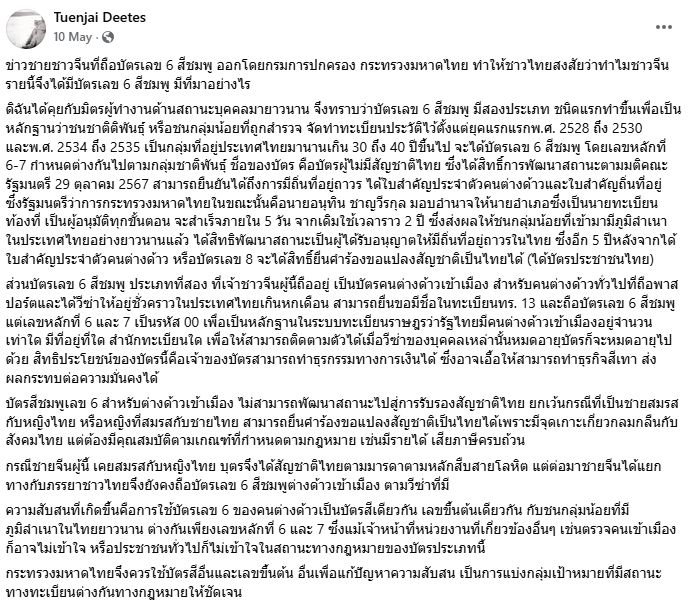 ข้อเสนอของเตือนใจ ดีเทศน์ อดีตกรรมการสิทธิมนุษยชนแห่งชาติ ให้แยกสีและเลขตัวแรกของบัตรคนต่างด้าวทั่วไป
กับกลุ่มชาติพันธุ์ให้แตกต่างกัน เพื่อป้องกันความสับสน ที่มา : เฟซบุ๊ก ‘Tuenjai Deetes’
ในเวลาต่อมา วันที่ 31 ส.ค. 2569 บัณฑิตได้ให้ความเห็นเพิ่มเติมกับโคแฟคในประเด็นนี้ว่า “บัตรประจำตัวบุคคลซึ่งไม่มีสัญชาติไทย (สีชมพู) ออกตามระเบียบกฎหมายให้ลักษณะบัตรเหมือนกัน แต่ได้มีการแบ่งแยกประเภทให้ต่างกันโดยชัดเจนแล้ว 2 ประการ” คือ 1.หน้าบัตรประจำตัว จะระบุไว้โดยชัดว่าเป็นกลุ่มชาติพันธุ์ หรือเป็นคนต่างด้าวเข้าเมือง และ 2. รหัสประจำตัวหลักที่หกและเจ็ด ก็มีการกำหนดไว้เป็นการเฉพาะสำหรับกลุ่มชาติพันธุ์ในแต่ละกลุ่มแล้ว เช่น 6-xxxx-50xxx-xx-x ก็จะเป็นกลุ่มชาติพันธุ์บนพื้นที่สูง อันเป็นการวางระบบให้แตกต่างกันและดูง่ายที่หน้าบัตรแล้ว “บุคคลทั่วไปก็สามารถอ่านและเข้าใจได้ จึงไม่จำเป็นต้องแก้ไข”
ผอ.ส่วนสัญชาติและการทะเบียนและบัตรประจำตัวบุคคลผู้ไม่มีสัญชาติไทย สำนักบริหารการทะเบียน กรมการปกครอง ยังย้ำด้วยว่า “สำหรับบัตรเลข 6 ในส่วนของกลุ่มชาติพันธุ์ ได้มีการจัดทำทะเบียนประวัติครั้งสุดท้ายเมื่อปี 2542 และไม่มีการจัดทำทะเบียนเพิ่มเติมอีกในปัจจุบัน” คงมีเพียงกลุ่มชาติพันธุ์ที่ได้รับการจัดทำทะเบียนประวัติไว้แล้วนั้น หากบุคคลดังกล่าวบัตรประจำตัวสูญหาย ชำรุด หรือถูกทำลาย จะสามารถมาดำเนินการต่อมีบัตรใหม่ได้ แต่ไม่มีการเพิ่มจำนวนขึ้นมากกว่าเดิม
ส่วน “บัตรประจำตัวที่ขึ้นต้นด้วยเลข 6 ที่ไม่ใช่ชนกลุ่มน้อยกลุ่มชาติพันธุ์นั้น ในปัจจุบันสามารถเพิ่มจำนวนได้ตามที่เข้ามาใหม่ในปัจจุบัน โดยสามารถเพิ่มชื่อเข้าในทะเบียนบ้านและจัดทำบัตรประจำตัวคนซึ่งไม่มีสัญชาติไทยได้ตามกฎกระทรวงกำหนดให้คนซึ่งไม่มีสัญชาติไทยปฏิบัติเกี่ยวกับการทะเบียนราษฎร พ.ศ. 2562 ซึ่งกำหนดแนวทางให้บุคคลต่างด้าวที่เข้ามาอยู่เป็นการชั่วคราวติดต่อกันไม่น้อยกว่า 6 เดือน ต้องมาจัดทำทะเบียนไว้เพื่อจัดเก็บเป็นข้อมูลทางทะเบียน” ในกรณีที่ได้รับอนุญาตให้อยู่ในราชอาณาจักรน้อยกว่า 6 เดือน นั้น กฎหมายไม่บังคับให้ต้องมาดำเนินจัดทำทะเบียน เว้นแต่บุคคลต่างด้าวนั้น มีความประสงค์จะให้จัดทำทะเบียนไว้ก็ให้สามารถดำเนินการได้
“ในการจัดทำทะเบียนประวัติบุคคลต่างด้าวกลุ่มนี้ไม่ได้เป็นการให้สิทธิใด ๆ แก่คนต่างด้าว เป็นเพียงการจัดเก็บอัตลักษณ์เพื่อใช้ในการตรวจสอบบุคคลที่เข้ามาอาศัยอยู่ในประเทศไทย การที่บุคคลจะอาศัยอยู่ในประเทศไทยยังคงต้องขออนุญาตอยู่ตามกฎหมายคนเข้าเมือง หรือการทำงานใด ๆ ก็ยังคงต้องขออนุญาตทำงานตามกฎหมายว่าด้วยการทำงานของคนต่างด้าว เป็นต้น และในกรณีที่การได้รับอนุญาตให้อยุ่ในประเทศไทยนั้นสิ้นสุดลง ก็สามารถจำหน่ายทะเบียนดังกล่าวออกจากทะเบียนบ้านได้” บัณฑิตกล่าวย้ำ
อีกด้านหนึ่ง ในวันที่ 16 ก.ย. 2569 มีความเห็นจาก สำนักงานคณะกรรมการสิทธิมนุษยชนแห่งชาติ กรณีข้อเสนอให้แยกสีบัตรหรือกำหนดเลขประจำตัวของบุคคลที่ไม่มีสัญชาติไทย ในกลุ่มชาติพันธุ์ให้แตกต่างจากบุคคลที่ไม่มีสัญชาติไทยกลุ่มอื่น ว่า “การกำหนดรูปแบบ สี หรือเลขประจำตัวบุคคลที่ไม่มีสัญชาติไทยสำหรับกลุ่มชาติพันธุ์ให้แตกต่างจากบุคคลที่ไม่มีสัญชาติไทยกลุ่มอื่น ๆ แม้อาจกำหนดได้ภายใต้ขอบเขตอำนาจและหลักเกณฑ์ตามกฎหมายและระเบียบที่เกี่ยวข้อง แต่การดำเนินการดังกล่าวควรอยู่บนหลักความจำเป็น ความได้สัดส่วน และการเลือกใช้มาตรการที่กระทบต่อสิทธิของบุคคลน้อยที่สุด” ควบคู่กับการคุ้มครองสิทธิ ในความเป็นส่วนตัว ศักดิ์ศรีความเป็นมนุษย์ ความเสมอภาค และการไม่เลือกปฏิบัติ
“หากวัตถุประสงค์หลักของการแยกสีบัตรหรือเลขประจำตัวคือเพื่อป้องกันความเข้าใจผิดของสาธารณชนเกี่ยวกับสถานะของผู้ถือบัตร กสม. เห็นว่า ควรให้ความสำคัญกับมาตรการด้านการสื่อสาร และการสร้างความรู้ความเข้าใจเป็นลำดับแรก” เนื่องจากเป็นมาตรการที่สามารถบรรลุวัตถุประสงค์ดังกล่าวได้โดยมีความเสี่ยงต่อการตีตรา การเลือกปฏิบัติ หรือการเปิดเผยข้อมูลเกี่ยวกับอัตลักษณ์ทางชาติพันธุ์น้อยกว่า
“สำหรับในกรณีที่จำเป็นต้องกำหนดรูปแบบ สี หรือเลขประจำตัวที่แตกต่างกันจริง ก็ควรมีการประเมินผลกระทบด้านสิทธิมนุษยชนอย่างรอบด้าน รวมทั้ง รับฟังความคิดเห็นและเปิดโอกาสให้บุคคลหรือกลุ่มชาติพันธุ์ที่อาจได้รับผลกระทบมีส่วนร่วมในกระบวนการพิจารณาก่อนดำเนินการ” เพื่อให้การบริหารจัดการทะเบียนของรัฐสามารถบรรลุประโยชน์สาธารณะควบคู่กับการคุ้มครองสิทธิ เสรีภาพ ความเสมอภาค และศักดิ์ศรีความเป็นมนุษย์ของบุคคลได้อย่างเหมาะสม
รายการอ้างอิง
- พ.ร.บ.คุ้มครองและส่งเสริมวิถีชีวิตกลุ่มชาติพันธุ์ พ.ศ.2568
- สถานการณ์ชาติพันธุ์ ประจำปี 2568: ก้าวแรกบนเส้นทางใหม่ ในวันที่มีกฎหมายชาติพันธุ์ , ศูนย์มานุษยวิทยาสิรินธร , 5 ม.ค. 2569
- มติ ครม. เรื่อง หลักเกณฑ์เพื่อเร่งรัดการแก้ไขปัญหาสัญชาติและสถานะบุคคลให้แก่บุคคลที่อพยพเข้ามาอยู่ในราชอาณาจักรเป็นเวลานาน และกลุ่มบุตรที่เกิดในราชอาณาจักร , สำนักงานเลขาธิการคณะรัฐมนตรี , 27 ต.ค. 2567
- มติ ครม. เรื่อง การขยายระยะเวลาดำเนินการตามมติคณะรัฐมนตรีเมื่อวันที่ 29 ตุลาคม 2567 เรื่อง หลักเกณฑ์เพื่อเร่งรัดการแก้ไขปัญหาสัญชาติและสถานะบุคคลให้แก่บุคคลที่อพยพเข้ามาอยู่ในราชอาณาจักรเป็นเวลานานและกลุ่มบุตรที่เกิดในราชอาณาจักร , สำนักงานเลขาธิการคณะรัฐมนตรี , 30 มิ.ย. 2569
- ครม. ขยายเวลาดำเนินการแก้ไขปัญหาสัญชาติ–สถานะ เฉพาะบุคคลที่อพยพเข้ามาอยู่ไทยเป็นเวลานานและกลุ่มบุตรที่เกิดในไทย เพียงครั้งเดียวถึง 30 มิ.ย. 2570 คงหลักเกณฑ์เดิม เร่งดูแลกลุ่มเป้าหมายเดิมควบคู่เข้มปราบทุจริต : ThaiGov , 30 มิ.ย. 2569
- ระบบสถิติชนกลุ่มน้อย กลุ่มชาติพันธุ์ , สำนักบริหารการทะเบียน กรมการปกครอง
- IMN Live Special EP.#29 ในหัวข้อ: “ไม่มีบัตร = ไม่มีสิทธิ? ผ่าทางตันปัญหาสถานะบุคคล ‘ชนเผ่าพื้นฯ : IMN Channel , 22 พ.ค. 2569 , นาทีที่ 18.20 – 21.18
- บัตรสีชมพู หมายถึงใครบ้าง? : คลินิกกฎหมาย มูลนิธิกระจกเงา , 10 มี.ค. 2569
- ข่าวชายชาวจีนที่ถือบัตรเลข 6 สีชมพู ออกโดยกรมการปกครอง กระทรวงมหาดไทย ทำให้ชาวไทยสงสัยว่าทำไมชาวจีนรายนี้จึงได้มีบัตรเลข 6 สีชมพู มีที่มาอย่างไร : Tuenjai Deetes , 11 พ.ค. 2569
- “หมิง เฉิน ซัน”และปริศนาบัตรชมพู : สำนักข่าวชายขอบ , 9 พ.ค. 2569

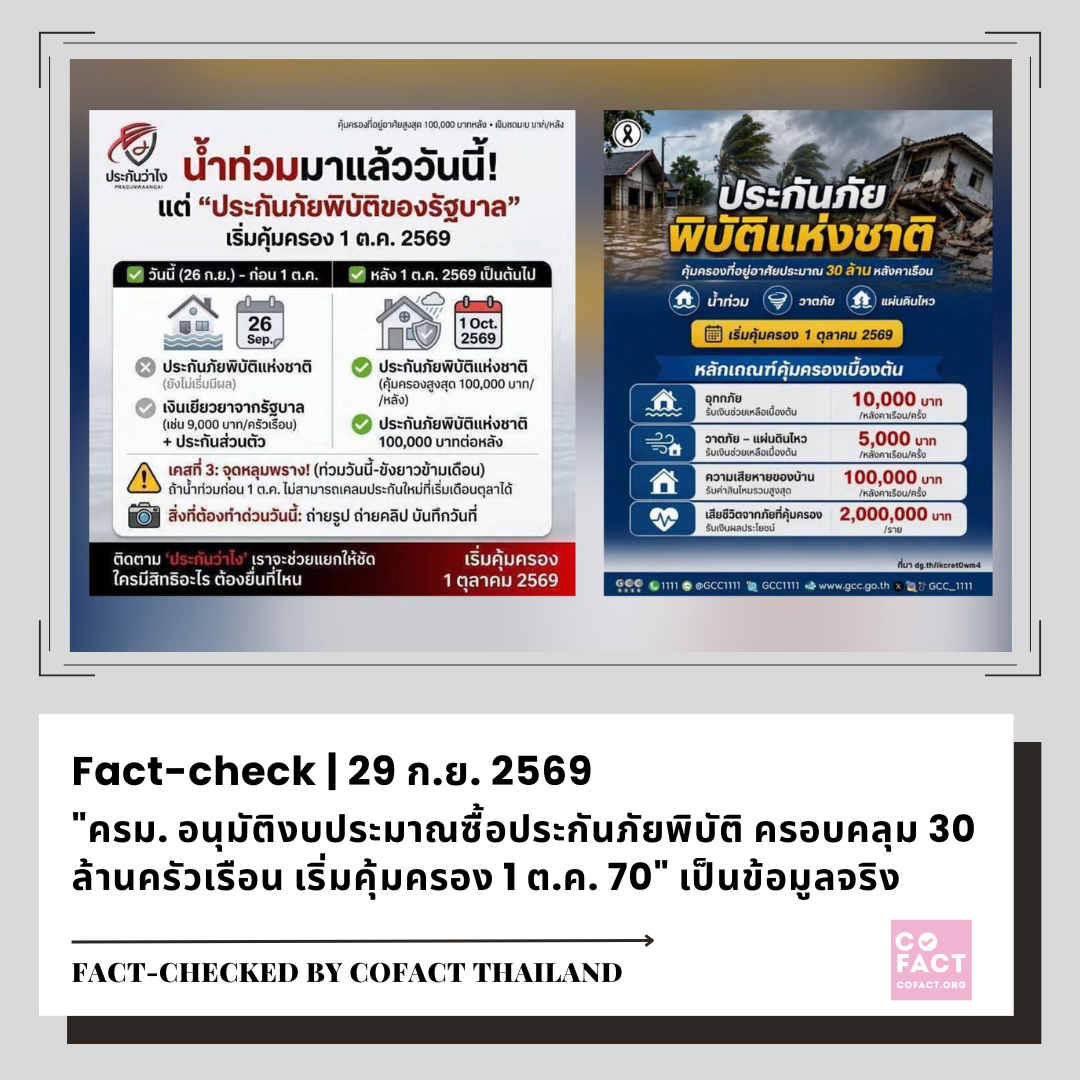
 งบประมาณซื้อประกันภัยนี้แบ่งเป็น กรมธรรม์ประกันภัยที่อยู่อาศัยกลุ่ม (อัตราเบี้ยประกันภัย 15 ล้านบาท) และกรมธรรม์ประกันอุบัติเหตุกลุ่ม (อัตราเบี้ยประกันภัย 500 ล้านบาท) เพื่อช่วยเหลือผู้ประสบอุทกภัย วาตภัยและแผ่นดินไหว มีผลคุ้มครองตั้งแต่วันที่ 1 ต.ค. 2569 – 1 ต.ค. 2570