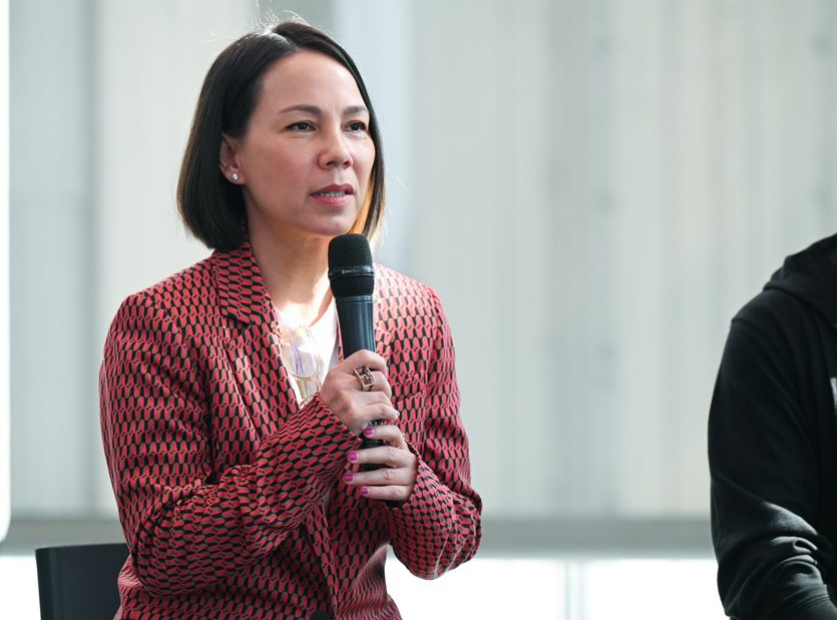
“กฎหมายล่าสุด ก็คือ EU European Digital Act 2024 ซึ่งได้รับการบัญญัติขึ้นมาในปีนี้ จะทำให้กฎหมายในแต่ละประเทศในยุโรปมีกฎหมายเดียวในการพิจารณาเรื่องนี้ อาจจะดีกว่าการมีกฎหมายแบบนี้ในแต่ละประเทศ” ผู้อำนวยการโครงการประจำประเทศไทยและเมียนมา มูลนิธิฟรีดริช เนามัน กล่าว
ทั้งนี้ หลายประเทศเริ่มออกแนวทางกำกับดูแล AI เช่น สหรัฐอเมริกา มีคำสั่งประธานาธิบดีในปี 2566 อาทิ การทดสอบ AI ที่มีความเสี่ยงต่อความมั่นคงหรือสุขภาพ ต้องรายงานผลการทดสอบให้รัฐบาล ต้องติดลายน้ำหรือฉลาก ให้ประชาชนทราบว่าเป็นเนื้อหาที่ AI สร้างขึ้น , สหภาพยุโรป มี EU Code of Practice กลไกกำกับดูแลตนเองของผู้พัฒนา และมีการติดตามผลการปฏิบัติเป็นระยะๆ มีการออกกฎหมาย EU AI Act ที่ให้เวลาผู้เกี่ยวข้องเตรียมตัว 2 ปี หลังจากนั้นผู้กระทำผิดจะถูกลงโทษปรับตั้งแต่ 1.5-7% ของยอดขายทั่วโลกของบริการนั้นๆ
อังกฤษ ตั้งสถาบันความปลอดภัย AI ของตนเอง และพยายามเชื่อมประเทศต่างๆ ในการกำกับดูแล AI โดยจัดประชุมเมื่อเดือนพฤศจิกายน 2566 มี 27 ชาติเข้าร่วม รวมทั้งจีน ญี่ปุ่น เกาหลีใต้ ฟิลิปปินส์ มีการลงนามคำประกาศ Bletchley มีเนื้อหายอมรับถึงความเสี่ยงของ AI ในมิติต่างๆ ทั้งโดยตั้งใจและไม่ตั้งใจ และความร่วมมือ ขณะที่ “ประเทศไทย” ยังมี “ความท้าทาย” หลายประการตั้งแต่การสร้างความรู้เท่าทัน AI ให้กับประชาชน การส่งเสริมให้เกิดการประเมินและจัดการความเสี่ยงใน AI ที่เป็นภาษาไทย แนวทางการทดสอบ , การระมัดระวังอคติต่างๆ ในชุดข้อมูล เป็นต้น
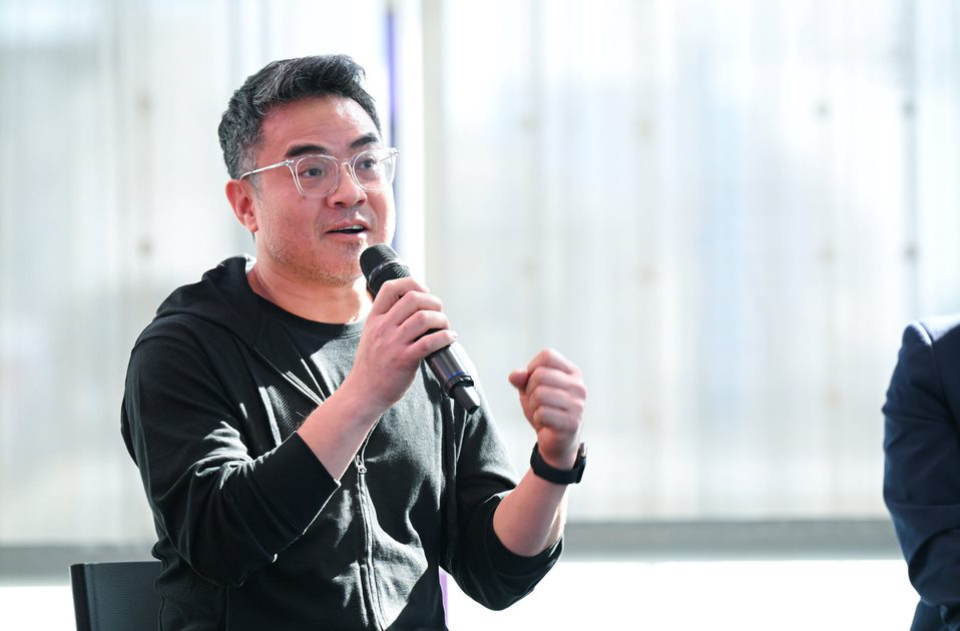
“ขณะนี้กฎหมายที่เกี่ยวข้องกับ AI กำลังมีขึ้นทั่วโลก แต่สิ่งที่เรายังขาดมาก คือการวิจัยที่เป็นข้อเสนอเชิงนโยบายเกี่ยวกับเรื่องนี้ เพื่อที่จะนำมาเป็นข้อมูลนำเข้าในการปกป้องและคุ้มครองประชาชน อย่างในสหภาพยุโรปมีการวิจัยตลอดเวลาเพื่อบอกว่ากฎหมายต้องปรับอย่างไร จึงจะรับมือกับ AI ได้ รวมทั้งสร้างความร่วมมือกับทุกภาคส่วน เพื่อร่วมกันตรวจสอบว่าสิ่งไหนจริง หรือปลอม เหมือนกับการทำงานของโคแฟคที่ชวนทุกฝ่ายร่วมกันหาความจริงร่วม” สุนิตย์กล่าว
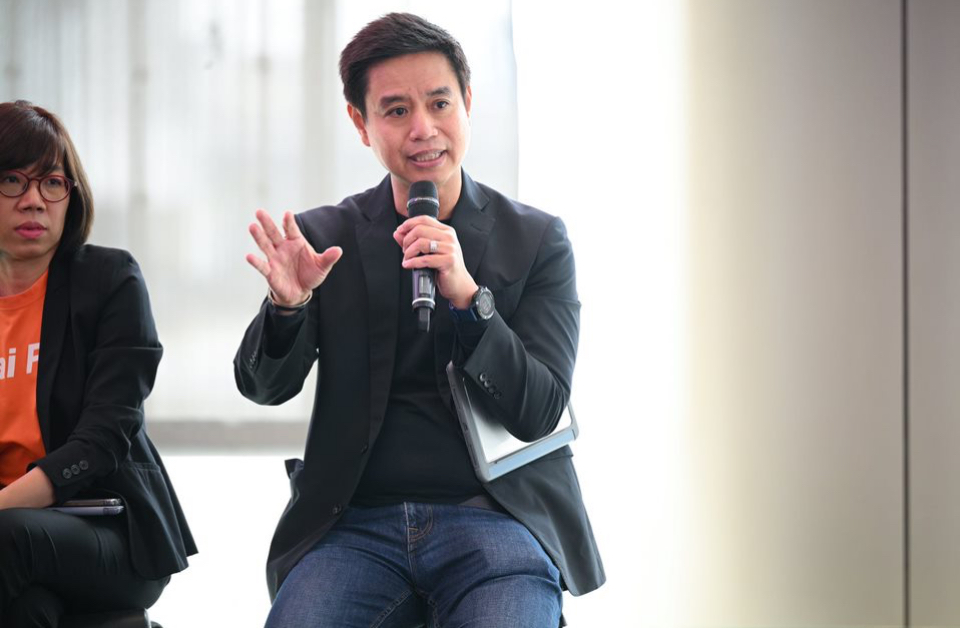
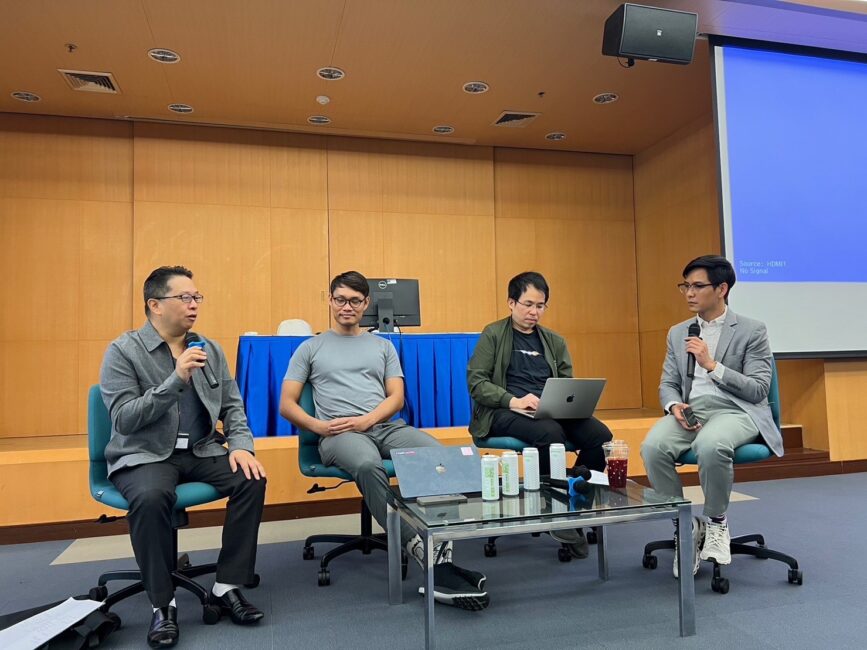
รณพงศ์ คำนวณทิพย์ กรรมการผู้จัดการ มายด์ เอไอ ภูมิภาคเอเชียตะวันออกเฉียงใต้ กล่าวว่า ในฐานะที่เป็นทีมพัฒนา AI รู้สึกเหมือน AI ตกเป็นจำเลยสังคม เช่น ถูกนำไปใช้เป็นเครื่องมือหลอกลวง แต่บางอย่างก็ไม่เกี่ยวกับ AI อย่างแก๊งคอลเซ็นเตอร์โทรศัพท์ไปหลอกเหยื่อแบบไม่ใช้ AI ก็มี ทั้งๆที่ AI มีหลายองค์กรหันมาใช้ AI แล้วช่วยลดต้นทุนและย่นระยะเวลาการทำงานได้ ดังนั้นสิ่งที่ตนและเพื่อนๆ ในชุมชนผู้พัฒนา AI คือ “เราต้องเข้าใจและใช้เป็น” อย่าไปกลัวเทคโนโลยี
“จริงๆ แล้ว AI มันก็คือเทคโนโลยีอย่างหนึ่ง เปรียบเสมือนยุคที่เราสร้างมีดขึ้นมาจากหินหรือจากโลหะ มีมีดเล่มหนึ่งผมถามว่ามันดีหรือไม่ดี มันมีประโยชน์หรือมีโทษ มันไม่ได้มีประโยชน์และไม่มีโทษด้วยตัวของมันเอง แต่มันอยู่ที่วิธีการใช้งานของมนุษย์ ถ้าใช้ดีไปทำกับข้าวก็มีประโยชน์ ถ้าไปทำร้ายคนก็เป็นโทษ AI ไม่ได้ผิดอะไรนะ และมันก็ยังไม่ได้สมบูรณ์แบบอย่างที่หลายคนบอก” รณพงศ์กล่าว
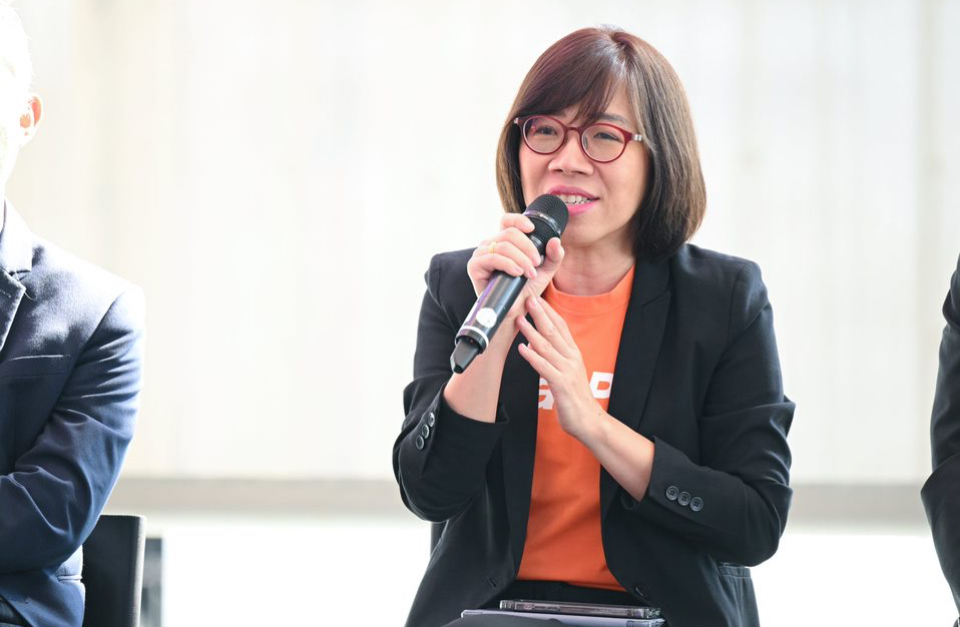
กนกพร ประสิทธิ์ผล ผู้อำนวยการศูนย์พัฒนาสื่อใหม่ ไทยพีบีเอส กล่าวว่า ระยะหลังๆ มีหลายวงเสวนาที่พูดถึง AI ว่าจะทำให้เกิดประโยชน์ได้อย่างไร แต่สำหรับการพูดคุยในวันนี้ เน้นเรื่องภัยและข้อควรระวัง การรู้เท่าทัน เราพบว่าที่ผ่านมาไม่ใช่ทุกคนหรือทุกอุตสาหกรรมที่จะนำ AI มาใช้ได้ทั้งหมด ด้วยปัจจัยด้านงบประมาณ ทักษะคน ฯลฯ แต่สิ่งที่เข้าไปแทรกซึมแล้วในปัจจุบันคือการถูกนำไปใช้ในทางที่ไม่ถูกต้อง เป็นภัยกับประชาชน และสิ่งที่น่ากังวลคือความรู้เท่าทัน (Literacy) จึงอยากให้มีการเตือนเรื่องนี้ในทุกวงเสวนาที่เกี่ยวกับ AI
ชวรงค์ ลิมปัทมปาณี ประธานสภาการสื่อมวลชนแห่งชาติ กล่าวว่า ปัจจุบันสภาการสื่อมวลชนแห่งชาติยังไม่ได้จัดทำแนวปฏิบัติเรื่องการนำ AI มาใช้ในงานข่าวแต่อย่างใด ซึ่งมีข้อถกเถียงว่าอย่างนี้ควรจะทำอย่างไร ดังกรณีที่เกิดขึ้นเมื่อเร็วๆ นี้ ที่มีการใช้ AI ทำภาพประกอบ ซึ่งทั้งๆ ที่มีภาพจริงแต่ไม่นำมาใช้เผยแพร่ โดยหลักแล้วหากนำ ภาพที่ถูกสร้างมาด้วย AI มาใช้ต้องแจ้งผู้รับสารด้วยเพื่อให้เกิดความชัดเจน ซึ่งนี่เป็นเพียงตัวอย่างเล็กๆ และเข้าใจว่าจะเริ่มมีความซับซ้อนขึ้นเรื่อยๆ
ทั้งนี้ ในมุมของภาพถือว่าเห็นชัดเจนแล้วเพราะมีกรณีที่นำ AI มาใช้กันมาก แต่ในส่วนของเนื้อหาข่าวอาจมีแต่ยังไม่ทราบเพราะผู้จัดทำเนื้อหาไม่ได้บอก นอกจากนั้น AI ยังไม่สามารถทำงานร่วมกับข้อมูลที่เป็นภาษาไทยได้มากนัก พบว่ามีข้อมูลที่ผิดพลาดคลาดเคลื่อน
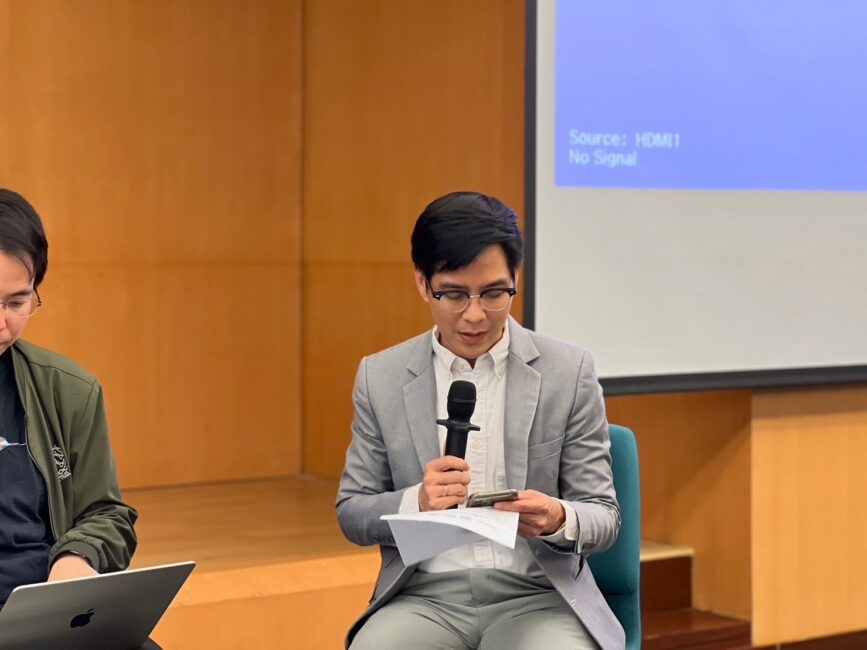
พีรพล อนุตรโสตถิ์ ผู้จัดการศูนย์ชัวร์ก่อนแชร์ สำนักข่าวไทย อสมท. กล่าวถึงปัญหาที่เกิดขึ้นจากการมาของ Generative AI ในกรณีของต่างประเทศ เช่น การสร้างภาพลามกอนาจาร การสร้างบุคคลที่ไม่มีตัวตนขึ้นมามีบทบาททั้งการรีวิวสินค้า การโฆษณา ไปจนถึงอ้างว่าเป็นแพทย์ หรือการสร้างเรื่องราวที่ไม่เคยเกิดขึ้นจริง พร้อมกับนำตัวอย่างภาพจริงและภาพที่ AI สร้างขึ้นมาให้ผู้ร่วมงานสัมมนาดู ซึ่งพบว่าหลายภาพ AI ทำได้เนียนมากจนแยกไม่ออก หรือทำคลิปวีดีโอที่ดูเหมือนคนจริงๆ กำลังพูด กระทั่งจับสังเกตได้ว่าใบหน้าเบี้ยวและนิ้วมือผิดรูป
ในเบื้องต้นปัจจุบันมีเว็บไซต์หลายแห่งจัดทำขึ้นเพื่อตรวจสอบเนื้อหาที่ใช้ AI ทำขึ้น เช่น deepware.ai สำหรับตรวจสอบคลิปวีดีโอ หรือเว็บไซต์ isitai.com สำหรับตรวจสอบภาพ แต่ก็ตรวจได้เพียงระดับหนึ่งเท่านั้นไม่ใช่ทั้งหมด ดังนั้นอาจต้องดูรายละเอียดเพิ่มเติม โดยมีคำแนะนำจากต่างประเทศ เช่น สังเกตรอยต่อระหว่างหน้าผากกับเส้นผม ลักษณะของมือ เท้า ปาก ฟัน นิ้ว ว่าผิดปกติหรือไม่ ผิวเนียนเกินไปหรือไม่ หากเป็นคลิปวีดีโอคนในคลิปมีการกระพริบตาหรือเปล่า เพราะ AI จะไม่กระพริบตา แต่ AI ก็เก่งขึ้นเรื่อยๆ คำเตือนนี้จึงใช้ไม่ได้ตลอดไป
“ทั้งหมดนี้ผู้เชี่ยวชาญเขาก็ย้ำว่า มันใช้เครื่องมืออย่างเดียวไม่ได้ แต่ต้องใช้ร่วมกับการตั้งคำถาม ต้องคิดก่อนแล้วต้องพิจารณาว่า AI มันทำอะไรได้หลายอย่างแล้ว ก็ต้องใช้ร่วมกับ Media Literacy (การรู้เท่าทันสื่อ) แล้วก็ชวนมองไปข้างหน้าว่าเรื่อง AI ก็ต้องมี AI Literacy (การรู้เท่าทันปัญญาประดิษฐ์) ด้วยเหมือนกัน” พีรพล กล่าว
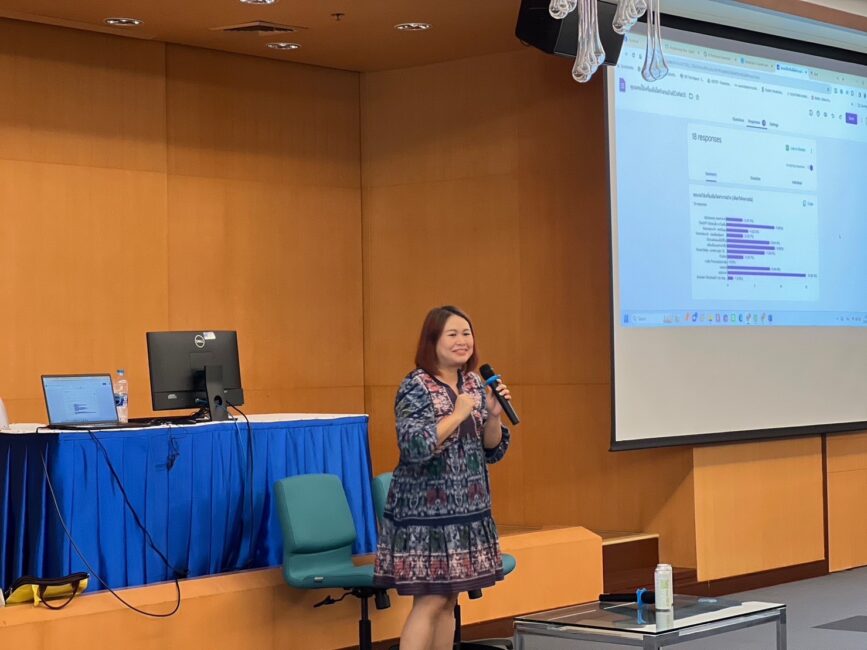
ส่วนกิจกรรมในช่วงบ่าย เป็นการบรรยายหัวข้อ “Tips and Trendsสำหรับสื่อมวลชนในยุคเอไอ”โดย ผศ.ดร.สกุลศรี ศรีสารคาม อาจารย์ประจำคณะนิเทศศาสตร์ จุฬาลงกรณ์มหาวิทยาลัย ที่เริ่มต้นด้วยการย้ำอีกครั้งต่อจากวิทยากรในช่วงเช้า ว่า “สิ่งที่ AI ทำ คือการกวาดข้อมูลจำนวนมากจากคลังข้อมูลแล้วมาประมวลผลหาคำตอบที่คิดว่าตรงที่สุด” เช่น ตนเคยทดลองถาม AI ยอดนิยมอย่าง Chat GPT ว่าอยากสอนในสิ่งที่ยังไม่เคยสอน ผลคือมีข้อมูลขึ้นมาให้อ่านเป็นจำนวนมาก แต่ข้อมูลบางส่วนเหมือนกับงานวิจัยที่เพิ่งอ่านไปก่อนหน้านั้นไม่นานนัก
ดังนั้นแล้ว “AI จึงมีประโยชน์ในการช่วยค้นหาข้อมูลในเบื้องต้น แต่สุดท้ายการเรียบเรียงออกมาก็ต้องอาศัยมนุษย์ตรวจสอบความถูกต้องอีกครั้ง” มีตัวอย่างการทดลองใช้ AI ของกูเกิลอย่าง Bard ช่วยเขียนบทความโปรโมทร้านอาหาร แต่ข้อความนั้นก็ยังไม่สามารถนำไปใช้ได้ทันทีเพราะมีรายละเอียดบางอย่างไม่ตรงกับสิ่งที่เราต้องการ เนื้อหาที่ AI ประมวลผลมาจึงให้ดูไว้เพียงเป็นแนวทาง หรือใช้ช่วยตั้งชื่อหัวข้องานสัมมนา ก็จะมีข้อความขึ้นมา แต่สุดท้ายก็ต้องเอาไปให้เพื่อนที่เป็นครีเอทีฟช่วยเลือกข้อความที่น่าจะโดนใจคนมากที่สุด
แม้กระทั่งการทำคลิปวีดีโอ ถ่ายมาทั้งหมดยาว 1 ชั่วโมง จะตัดให้สั้นลง เช่น ตัดเหลือ 1 นาที สำหรับลงแพลตฟอร์มติ๊กต๊อก ซึ่งหากทำเองทั้งหมดจะเหนื่อยมาก ก็มีโปรแกรมที่ให้ AI ช่วย แต่การเลือกช็อตวีดีโอของ AI อาจไม่สอดคล้องกับสิ่งที่ต้องการนำเสนอ เช่น ผู้ใช้งานต้องการทำสารคดีวิถีชุมชนท้องถิ่น แต่ AI ไปตัดคลิปวีดีโอมาแต่ช็อตที่เป็นวิวสวยๆ AI จึงเป็นตัวช่วยย่นระยะเวลาและความเหนื่อยจากการต้องมาไล่สแกนฟุตเทจทีละช็อตทั้งชั่วโมง แต่สุดท้ายผู้ใช้งานก็ต้องตรวจสอบอีกครั้งก่อนนำไปเผยแพร่
หลายครั้งมักมีผู้กล่าวว่าเราควรใช้ระบบ AI เหมือนกัน ในการตรวจสอบว่าเนื้อหาใดๆถูกสร้างโดย generative AI หรือไม่ แต่ในความเป็นจริงเป็นเรื่องที่ยากมากในปัจจุบัน แม้แต่ OpenAI ก็เคยเปิดตัวเครื่องมือ AI ที่มาใช้ตรวจสอบเนื้อหาที่สร้างขึ้นโดย generative AI แต่ในเวลาไม่นานนักก็ต้องปิดตัวลง เพราะความแม่นยำในการตรวจสอบต่ำมาก อยู่ที่ราวยี่สิบกว่าเปอร์เซ็นเท่านั้น อย่างไรก็ตาม ปัจจุบันก็มีเครื่องมือ AI ที่กำลังพัฒนาเพื่อการเฝ้าระวัง ดักจับ และตรวจสอบเนื้อหาว่าสร้างจาก AI อยู่พอสมควร แต่ก็ยังไม่ได้ถูกนำมาใช้อย่างกว้างขวางได้สำเร็จ
ด้านความปลอดภัย บริษัทจะทดสอบความปลอดภัยและศักยภาพของระบบ AI ของตน รวมถึงให้หน่วยงานภายนอกมาทดสอบ ประเมินความเสี่ยงในด้านต่างๆต่อสังคม ความเสี่ยงด้านชีวภาพ และความมั่นคงไซเบอร์ และเปิดเผยผลการทดสอบเหล่านั้นให้กับสาธารณะ
ด้านความมั่นคง บริษัทจะป้องกันระบบ AI จากการโจมตีทางไซเบอร์ และความเสี่ยงจากคนใน แล้วแบ่งปันองค์ความรู้ วิธีการ และมาตรฐานต่างๆในการป้องกันการใช้ที่ผิดทาง ลดความเสี่ยงต่อสังคม และปกป้องความมั่นคงของชาติ
ความน่าเชื่อถือซึ่งเป็นสิ่งที่บริษัทต่างๆที่เข้าร่วมนั้นเห็นพ้องกันมากที่สุดก็คือการทำให้ผู้ใช้สามารถรับรู้ได้อย่างง่ายดายว่าข้อมูลหรือภาพที่เห็นนั้นถูกสร้างหรือปรับปรุงขึ้นโดย AI นอกจากนั้นก็มีประเด็นเรื่องการทำให้ AI ไม่ขยายการเหยียดหรืออคติ ป้องกันเด็กเยาวชนจากอันตราย และใช้ AI เพื่อแก้ปัญหาสำคัญเช่นการเปลี่ยนแปลงสภาวะอากาศ และมะเร็ง
บริษัทที่พัฒนาโมเดล AI ที่มีความเสี่ยงต่อความมั่นคงของชาติ-เศรษฐกิจ หรือมีความเสี่ยงต่อสุขภาพและความปลอดภัยของประชาชน ต้องส่งผลทดสอบความเสี่ยงเหล่านั้นให้กับหน่วยงานของรัฐ
ในเดือน พ.ค. 2023 มีการประชุมประจำปีผู้นำกลุ่มประเทศ G7 ที่เมืองฮิโรชิมา ประเทศญี่ปุ่น โดยมีการจัดตั้ง “Hiroshima AI Process” ซึ่งเป็นคณะทำงานของ G7 ในการศึกษาโอกาสและความท้าทายของ AI ซึ่งหนึ่งในเป้าหมายที่ชัดเจนก็คือการแก้ปัญหาข้อมูลลวง (misinformation) โดยเฉพาะในบริบทของ generative AI
และในเดือน ต.ค. 2023 ก็ได้มีการเปิดตัวแถลงการณ์ Hiroshima AI Process พร้อมด้วยหลักปฏิบัติ (code of conduct) และหลักการณ์สำคัญ (principles) เกี่ยวกับระบบ AI ที่มีความก้าวหน้า (advanced AI systems)
ในหลักปฏิบัตินั้น กำหนดขั้นตอนการดำเนินการขององค์กรใดๆในการพัฒนาและใช้ระบบ AI โดยเป็นแนวปฏิบัติที่เชื่อมโยงกับหลักการ 11 ข้อ
กระบวนการกำหนด ประเมิน และป้องกันความเสี่ยงของชั่วชิวิตของระบบ AI ทั้งก่อนและหลังการเปิดตัวในตลาด
รายงานต่อสาธารณะในเรื่องศักยภาพความสามารถของระบบ AI ข้อจำกัด บริบทของการใช้งานที่เหมาะสมและไม่เหมาะสม เพื่อความโปร่งใสและความรับผิดชอบ
แลกเปลี่ยนข้อมูลปัญหาต่างระหว่างองค์กรผู้พัฒนาระบบ AI ด้วยกันอย่างรับชอบ เพื่อการสร้างความร่วมมือในการพัฒนามาตรฐาน เครื่องมือ กลไก และแนวปฏิบัติที่ดีที่สุดเพื่อให้เกิดความปลอดภัย มั่นคง และน่าเชื่อถือของระบบ AI
พัฒนา ดำเนินการ และเปิดเผยข้อมูลเกี่ยวกับระบบธรรมาภิบาล AI และนโยบายจัดการความเสี่ยง
พัฒนาและใช้งานกลไกสำหรับให้ผู้ใช้สามารถรับรู้ว่าเนื้อหาใดสร้างขึ้นโดย AI (เช่น มีข้อมูลระบุได้ว่าสร้างจากบริการหรือ AI model ใด) หรือกำลังปฏิสัมพันธ์กับระบบ AI อยู่ โดยจะต้องรับรู้ได้โดยง่ายและน่าเชื่อถือ
ให้ความสำคัญกับการพัฒนาระบบ AI เพื่อแก้ปัญหาสำคัญที่สุดของโลกต่างๆ โดยเฉพาะในเป้าหมายการพัฒนาที่ยั่งยืน (Sustainabel Development Gaols -SDGs) วิกฤตสภาพอากาศ สุขภาพของโลกและการศึกษา เป็นต้น และควรสนับสนุนการให้ความรู้พื้นฐานเกี่ยวกับเทคโนโลยีดิจิตอลเพื่อให้ประชาชนได้ประโยชน์จากระบบ AI
Absolute post engagement คือค่าเฉลี่ยของปฏิสัมพันธ์ (engagement) ของเนื้อหาลวงแต่ละชิ้น และ Relative post engagement คืออัตราส่วนระหว่างค่าเฉลี่ยของ Absolute post engagement ของเนื้อหาลวง เมื่อเทียบกับค่าเฉลี่ยของ abosolute post engagement ของเนื้อหาที่ไม่ใช่ข่าวลวง ซึ่งยิ่งมีค่า relative post engagment สูงเท่าใดก็ย่อมแสดงว่าผู้ใช้ในระบบนั้นๆมีความเสี่ยงสูงที่จะเป็นอันตราย เพราะอาจเจอพื้นที่ที่ความปฏิสัมพันธ์กับเนื้อหาลวงมากกว่าเนื้อหาทั่วไปอย่างมาก ซึ่งในส่วนของ absolute post engagement นั้นค่าสูงสุดคือ TikTok และ Youtube ตามลำดับ แต่ในค่า relative post engagement กลายเป็น Twitter มีค่าสูงที่สุด รองลงมาจึงเป็น Youtube
Ratio of disformation actors หรือสัดส่วนของผู้ตั้งใจเผยแพร่ข้อมูลลวงเมื่อเทียบกับผู้ใช้ทั่วไปที่เป็นกลุ่มตัวอย่างในการวิเคราะห์ โดยพบว่า Twitter และ Facebook มีสัดส่วนผู้ตั้งใจเผยแพร่ข้อมูลลวงเทียบกับกลุ่มตัวอย่างทั่วไปถึง 8-9 % ขณะที่ Youtube นั้นต่ำสุดคือมีอัตราส่วนเพียง 0.8% และพบว่าผู้ที่ตั้งใจจะเผยแพร่เนื้อหาลวงจะติดตามผู้ใช้มากกว่าผู้ใช้ทั่วๆไปมาก และมักจะเพิ่งสมัครเข้าใช้ระบบต่างๆได้ไม่นาน
จะเห็นได้ว่า Twitter หรือ X ในปัจจุบันนั้น หากดูข้อมูลเฉพาะ 3 ประเทศในยุโรปที่ทำวิจัย กลายเป็นระบบที่มีการเผยแพร่ข้อมูลลวงมากที่สุดเทียบในเชิงสัดส่วนเมื่อเทียบกับ platform อื่นๆ และ X เลือกที่จะถอนตัวไม่เข้าร่วมกับ EU Code of Conduct ดังกล่าวอีกด้วย
ในช่วงกลางปี 2023 คณะกรรมาธิการยุโรป (European Commission) ได้ขอให้บริษัทเทคโนโลยีสำคัญเช่น Google, Meta, Microsoft, TikTok และสมาชิกของ Code of Conduct ให้ช่วยตรวจจับภาพ วิดิโอ และเนื้อหาที่สร้างขึ้นจาก AI และทำให้ผู้ใช้ทราบว่าเนื้อหานั้นๆถูกสร้างด้วย AI ด้วยการปิดป้ายที่ทำให้เข้าใจง่าย
สหภาพยุโรปกำลังอยู่ในกระบวนการพิจารณาร่างกฏหมายอีกหนึ่งฉบับที่เกี่ยวข้องที่เรียกว่า EU AI Act ซึ่งปัจจุบันกำลังเข้าสู่กระบวนการนิติบัญญัติของสหภาพยุโรป โดยมีเนื้อหาที่จะกำกับดูแลความเสี่ยงที่เกี่ยวข้องกับ AI ในภาพรวม และส่งเสริมพัฒนาการในยุโรป ในส่วนที่เกี่ยวกับ generative AI และข้อมูลลวงนั้น จะมีเนื้อหาที่บังคับให้โมเดลพื้นฐาน (Foundation Module -FM) จะต้องถูกประเมินความเสี่ยงต่างๆ ทั้งในเรื่องความถูกต้อง การสร้างเนื้อหาลวง หรือความเสี่ยงเรื่องผลในเชิงการเลือกปฏิบัติหรืออคติต่างๆ และมีแนวทางการจัดการป้องกัน รวมถึงการทดสอบถึงความเสี่ยงต่างๆของ FM เหล่านี้ (FM หมายถึง LLM นั่นเอง) และการสร้างความโปร่งใสของความเสี่ยงและผลทดสอบต่างๆให้กับสาธารณะ รวมถึงการไม่ละเมิดสิทธิข้อมูลส่วนบุคคลและสินทรัพย์ทางปัญญา โดยเฉพาะการนำเข้าชุดข้อมูลมาเทรน FM ต่างๆ
และในเดือน ธ.ค. 2023 สหภาพยุโรปได้บรรลุข้อตกลงร่วมกันเกี่ยวกับกฏเกณฑ์แนวทางสำคัญในการควบคุมดูแล AI ที่จะเป็นองค์ประกอบสำคัญในกฏหมาย AI ของสหภาพยุโรป ซึ่งย่อมจะมีผลต่อการดำเนินธุรกิจหรือโครงการด้าน AI ต่างๆทั่วโลก โดยมีหลักการสำคัญคือระดับการควบคุมดูแลจะต้องสอดคล้องกับความเสี่ยงในระดับที่แตกต่างกัน แบ่งเป็น
ความเสี่ยงสูง คือระบบ AI ที่มีผลทางลบต่อความปลอดภัย และสิทธิขั้นพื้นฐาน จะต้องมีกระบวนการประเมินและจัดการความเสี่ยงก่อนที่จะเข้าสู่ตลาด และต้องดูแลตลอดอายุของสินค้าบริการนั้นๆ โมเดล AI ที่อาจสร้างความเสี่ยงเชิงระบบในมิติสำคัญต่างๆจะต้องถูกประเมินและทดสอบอย่างต่อเนื่องและผลต่างๆจะต้องส่งให้กับคณะกรรมาธิการยุโรป
Generative AI เช่น ChatGPT จะต้องปฏิบัติตามเงื่อนไขด้านความโปร่งใส
การระบุให้ชัดเจนว่าเนื้อหานี้ถูกสร้างด้วย AI
ออกแบบป้องกันไม่ให้สร้างเนื้อหาผิดกฏหมาย
เปิดเผยช้อมูลโดยสรุปถึงชุดข้อมูลที่มีลิขสิทธิ์ที่ถูกใช้ในการพัฒนา AI (training data)
ความเสี่ยงจำกัด (limited risk) จะต้องปฏิบัติตามเงื่อนไขด้านความโปร่งใสเพื่อให้ผู้ใช้สามารถตัดสินใจต่างๆได้อย่างเหมาะสม หากผู้ใช้มีการปฏิสัมพันธ์กับ AI ก็ต้องแจ้งด้วย และผู้ใช้มีสิทธิที่จะหยุดใช้งานระบบได้ ผู้บริโภคมีสิทธิที่จะร้องเรียนและได้รับคำอธิบายที่เหมาะสม
สหราชอาณาจักรและบทบาทการเชื่อมโยงพัฒนามาตรฐานความปลอดภัยของ AI ระหว่างประเทศ
ในเดือน พ.ย. 2023 สหราชอาณาจักรได้จัดงานประชุมสุดยอด AI ที่ปลอดภัย (AI Safety Summit) โดยมีตัวแทนจากประเทศต่างๆเข้าร่วม 27 ประเทศ รวมทั้งสหรัฐอเมริกา สหภาพยุโรป แคนาดา ออสเตรเลีย จีน ญี่ปุ่น เกาหลีใต้ หรือแม้แต่ฟิลิปปินส์ โดยได้จัดประชุมที่ Bletchley Park ซึ่งเป็นสถานที่ประวัติศาสตร์ที่อลัน ทัวริ่งนำทีมผู้เชี่ยวชาญเจาะโคัดสื่อสารลับของฝ่ายอักษะได้สำเร็จในช่วงสงครามโลกครั้งที่ 2 หลังจากการประชุมที่แลกเปลี่ยนประเด็นด้านความปลอดภัยและความเสี่ยงต่างๆของ AI สองวันเต็ม จึงมีการเซ็นคำประกาศ Bletchley โดยมีทั้ง 27 ประเทศร่วมลงนาม โดยมีเนื้อหาหลักเกี่ยวกับการยอมรับถึงความเสี่ยงของ AI ในมิติต่างๆ โดยเฉพาะการสร้างและเผยแพร่เนื้อหาที่หลอกลวง ความมั่นคงไซเบอร์ ความเสี่ยงด้านชีวภาพ และความเสี่ยงที่จะใช้งานไปในทางลบ ทั้งที่จงใจและไม่ได้ตั้งใจ ในคำประกาศมุ่งเน้นความไม่เข้าใจเกี่ยวกับศักยภาพและความสามารถของ AI ต่างๆที่ถูกพัฒนาขึ้นอย่างรวดเร็ว มีการพูดถึง FM ที่มีความเสี่ยงในการสร้างผลลบได้อย่างมาก หากยังไม่มีความเข้าใจ หรือการประเมินและจัดการความเสี่ยงที่เพียงพอ
คำประกาศฯเน้นว่าความปลอดภัยเชิง AI นี้เป็นสิ่งที่ทุกฝ่ายต้องมีบทบาท ต้องมีความร่วมมือกันข้ามภาคส่วน และระหว่างประเทศ ผู้พัฒนาระบบ AI ต้องมีความรับผิดชอบต่อความปลอดภัยและการใช้งานของระบบ และควรพัฒนาความร่วมมือในการที่จะกำหนดความเสี่ยงต่างๆร่วมกัน แลกเปลี่ยนข้อมูลความเสี่ยงต่างๆอย่างเป็นวิทยาศาสตร์ เพื่อสร้างความเข้าใจผลของ AI ที่จะมีต่อสังคม รวมทั้งพัฒนานโยบายเพื่อตอบโจทย์ความเสี่ยงด้านต่างๆ โดยเฉพาะการสร้างความโปร่งใส การวัดผลที่มีตัวชี้วัดที่เหมาะสม เครื่องมือในการทดสอบระบบ และทำให้ภาครัฐและภาควิจัยมีศักยภาพเพียงพอ และมีข้อตกลงร่วมกันว่าจะไปพัฒนาแนวทางรองรับการพัฒนาความร่วมมือต่างๆ จะมีการประชุมครั้งต่อไปเพื่อติดตามความก้าวหน้าและพัฒนาให้เกิดความร่วมมือที่ชัดเจนขึ้น
ซึ่งเป็นการแสดงเจตนารมย์ที่จะพัฒนาความร่วมมือระหว่างประเทศที่ค่อนขว้างกว้างขวาง และย่อมจะเป็นประโยชน์ต่อการกำหนดทิศทางของความปลอดภัยด้าน AI ระหว่างประเทศต่อไป อย่างไรก็ตาม มีเครือข่ายประชาสังคม องค์กรเทคโนโลยี และภาควิชาการไม่น้อยที่กล่าวว่าการประชุมดังกล่าวยังขาดการมีส่วนร่วมจากภาคประชาสังคม และภาคส่วนอื่นๆ เพราะมีแต่ตัวแทนของรัฐและบริษัทขนาดใหญ่เป็นหลัก และการให้ความสำคัญอย่างมากว่าอันตรายจาก AI จะมาจาก FM หรือ LLM อาจจะคับแคบไปอย่างมาก
ในสหราชอาณาจักรเอง ก็เปิดตัวสถาบันความปลอดภัยด้าน AI ไปพร้อมกัน โดยมีภารกิจสำคัญในการจัดการความเสี่ยงที่เป็นอันตรายของ AI ต่อประโยชน์ของสังคมและประเทศ โดยมีเนื้องานสำคัญคือการพัฒนาการประเมินความเสี่ยงด้านความปลอดภัยและความมั่นคงของระบบ AI รวมถึงความผลต่อสังคมที่หลากหลาย, วิจัยด้านความปลอดภัยทาง AI โดยเฉพาะระบบธรรมาภิบาล AI การวัดผลและนวัตกรรมเพื่อความปลอดภัย, และประสานการแลกเปลี่ยนข้อมูลที่เกี่ยวข้องจากทุกภาคส่วน
บทเรียนสำหรับประเทศไทย
ความก้าวหน้าเชิงนโยบายเกี่ยวกับการกำกับดูแลความเสี่ยงของ Generative AI ในด้านต่างๆ โดยเฉพาะการสร้างและเผยแพร่ข้อมูลลวงนั้น มีความก้าวหน้าอยู่พอสมควร ประเทศไทยสามารถเรียนรู้ได้ ร่วมศึกษาและประยุกต์เข้าสู่บริบทของไทยได้ โดยเฉพาะประเด็นหลักๆเช่น
การสร้างความรู้เท่าทันเชิง AI ให้กับประชาชนและผู้ใช้งาน
การส่งเสริมให้เกิดการประเมินและจัดการความเสี่ยงใน AI models สำคัญๆที่เป็นภาษาไทย แนวทางการทดสอบ แล
เมื่อ Generative AI สามารถสร้างเนื้อหาใหม่ๆได้ตลอดเวลา ในต้นทุนที่ต่ำ และทำได้รวดเร็ว ทำให้เกิดปัญหาที่ว่าผู้คนจำนวนมากไม่สามารถแยกสิ่งที่สร้างจาก AI ออกจากที่มนุษย์เป็นคนทำได้ แยกไม่ออกว่าเนื้อหา ภาพ เสียงใดเป็นของจริง หรือถูกสร้างจาก AI แม้แต่ผู้เชี่ยวชาญเองถ้าไม่มีเครื่องมือเฉพาะก็แทบจะแยกไม่ออก โดยเฉพาะหากเนื้อหานั้นถูกสร้างขึ้นโดยมีเป้าหมายที่จะหลอกลวงผู้คน คือไม่ใช่แค่ misinformation แต่เป็น disinformation (ข้อมูลที่ออกแบบมาเพื่อหลอกคนหรือทำให้เกิดความเสียหาย)
ในโลกที่ข้อมูลข่าวสารกระจายไปอย่างรวดเร็วผ่าน social media ต่างๆ เนื้อหาลวงที่สร้างจาก AI ที่ผู้คนแยกไม่ออกว่าจริงหรือไม่ ย่อมสามารถก็ผลเสียได้อย่างรวดเร็ว การตรวจสอบข่าวทำได้ไม่ทัน ย่อมทำให้เกิดความเสียหายต่อเศรษฐกิจ กระจายความเชื่อผิดๆที่เป็นอันตรายหรือตอกย้ำความแบ่งแยกฝักฝ่ายในสังคม หรือกระทบต่อประชาธิปไตยหรือผลการเลือกตั้งได้
นอกเหนือจากนี้ก็ยังมีแนวที่ generative AI หรือ chatbot มีคำตอบที่แปลกประหลาดหรือไม่เหมาะสมหรือน่ากลัวกับผู้ใช้ เช่น Bing chatbot บอกว่าตัวมันเองตกหลุมรักนักเขียนของ New York Times ที่ชื่อ Kevin Roose หรือมีข้อมูลจากหลายแหล่งว่า AI พูดจากไม่เหมาะสมหรือกระทบกับสภาพจิตใจผู้ใช้จนเหมือนตั้งใจ
AI ตบทรัพย์ (AI scam)
สถานการณ์การล่อลวงตบทรัพย์ในประเทศไทยจาก call center ในต่างประเทศ หรือแม้แต่ประเทศไทยเองนั้นมีจำนวนเพิ่มขึ้นมหาศาลในช่วงไม่กี่ปีที่ผ่านมา และ Generative AI จะทำให้เกิดความเสี่ยงที่จะทำให้สถานการณ์ดังกล่าวทวีความซับซ้อนและรุนแรงขึ้นได้อีก เพราะปัจจุบันมักจะเป็นคนปลอมตัวเป็นเจ้าหน้าที่ตำรวจ ธนาคาร ฯลฯ และต้องสร้างเรื่องราวอย่างมากเพื่อให้การหลอกลวงสำเร็จ แต่ในอนาคตอันใกล้ เราจะได้รับโทรศัพท์จากเสียงของคนที่เรารู้จัก หรือแม้แต่ video ที่เหมือนขึ้นเรื่อยๆ และเริ่มจะเป็นการใช้งานแบบ real time หรือแปลงเสียง ภาพ video แบบทันที เพื่อสื่อสารในการล่อลวง ซึ่งอาจจะทำให้เกิดความตกใจ กังวลใจ จนขาดสติ จนไม่ทันได้ตรวจสอบสถานการณ์ หรือรีบโอนเงินไปอย่างรวดเร็ว เทคโนโลยีที่เรียกว่า Deep Fake กำลังก้าวหน้าอย่างรวดเร็ว และสามารถใช้ได้โดยง่าย ใครก็ใช้ได้จากระบบที่โหลดได้จากระบบอินเทอร์เน็ต หรือเป็นบริการออนไลน์เลย
(ภาพ เจอนนิเฟอร์ เคอสเตฟาโน่ ที่ถูก AI SCAM ขุ่มขู่เรียกค่าไถ่ลูกสาว)
เหตุการณ์เช่นนี้เกิดขึ้นแล้วในพื้นที่ซึ่งระบบ AI เข้าใจภาษาอย่างดี เช่น ในอเมริกา เจนนิเฟอร์ เดอสเตฟาโน่ ได้รับโทรศัพท์ในช่วงเดือนเมษายน ปี 2022 เป็นเบอร์โทรศัพท์ที่เธอไม่รู้จัก แต่เมื่อรับสายจึงได้ยินเสียงปลายสายขอความช่วยเหลือจากลูกสาวของเธอเอง เธอได้ยินเสียงร้องให้ และเรียกเธอ ขอให้ช่วยเหลือ ลูกสาวพูดไปด้วยเสียงสั่นเครือว่าคนไม่ดีพวกนี้จับเธอมา จากนั้นก็ได้ยินเสียงผู้ชายที่อธิบายกับเธอว่าได้จับลูกสาวเธอมาเรียกค่าไถ่ ห้ามบอกตำรวจหรือใครไม่งั้นลูกสาวของเธอจะเป็นอันตราย ซึ่งเจนนิเฟอร์ตกใจอย่างมาก และเชื่อจริงๆในตอนนั้นว่าลูกสาวของเธอถูกเรียกค่าไถ่ เพราะเสียงเหมือนลูกสาวเธอมากๆ แต่สุดท้ายเจนนิเฟอร์ก็ตั้งสติและแอบติดต่อตำรวจระหว่างที่กำลังเจรจากับคนร้าย ซึ่งทางตำรวจบอกเธอว่ามีสิ่งที่เรียกว่า AI Scam ที่สามารถเลียนแบบเสียงได้เหมือน และเต็มไปด้วยอารมณ์ความรู้สึก ซึ่งเธอบอกตำรวจว่าเสียงที่เธอได้ยินเหมือนลูกเธอจริงๆและไม่เชื่อว่าจะเป็น AI แต่ในที่สุดเธอก็สามารถติดต่อลูกสาวของเธอได้ว่าปลอดภัย ไม่ได้ถูกลักพาตัวอย่างไร เหตุการณ์จึงคลี่คลายลง ข้อสังเกตุที่น่าสนใจคือลูกสาวเธอไม่มีได้ social media แต่ในเว็บไซต์โรงเรียนมีคลิปสัมภาษณ์เธออยู่หลายคลิป จึงแสดงให้เห็นว่าคนร้ายสามารถใช้คลิปเหล่านี้ในการสร้างเสียงใหม่ที่เหมือนลูกสาวเธอและแสดงออกถึงอารมณ์ความรู้สึกเหมือนจริงจนแม้แต่แม่แท้ๆก็แยกไม่ออก เจนนิเฟอร์จึงไปให้ปากคำกับคณะกรรมาธิการเรื่อง AI ของรัฐบาล เพื่อเป็นข้อมูลและขอให้หาแนวทางป้องกัน หรือให้ความรู้ ความเข้าใจ เกี่ยวกับความเสี่ยงลักษณะนี้กับครอบครัวคนทั่วไปที่มักไม่คาดคิดมาก่อน
ความเสี่ยงต่อการเมืองและเสรีภาพ
การต่อสู้เพื่อจะได้มาซึ่งอำนาจทางการเมือง เป็นพื้นที่สำคัญซึ่งเครื่องมือและเทคโนโลยีต่างๆถูกใช้เสมอมา ตั้งแต่การใช้ภาพสลักหินให้ร้ายหรือสร้างโฆษณาชวนเชื่อตั้งแต่สมัยอียิปต์ หรือการใช้ภาพเคลื่อนไหวและเทคโนโลยีสื่อล้ำสมัยมาใช้ในยุคนาซี การใช้ generative AI ก็เป็นส่วนหนึ่งของประวัติศาสตร์ของเครื่องมือสื่อสารทางการเมืองนี้
ในรายงานวิจัยของ Freedom House ซึ่งเป็นองค์กรด้านสิทธิมนุษยชน พบว่ามีหลักฐานอย่างชัดเจนถึงการใช้ generative AI ใน 16 ประเทศเพื่อที่จะ “สร้างความสงสัยไม่ไว้ใจ โจมตีฝ่ายตรงข้าม และพยายามมีอิทธิพลต่อการถกเถียงประเด็นสาธารณะ”
ในประเทศเวเนซุเอล่า สำนักข่าวของรัฐเผยแพร่วิดีโอของนักข่าวระหว่างประเทศที่ใช้ภาษาอังกฤษที่พูดสนับสนุนรัฐบาลอย่างต่อเนื่อง ทั้งๆที่นักข่าวต่างชาตินั้นไม่มีอยู่จริงและถูกสร้างขึ้นด้วย AI จากบริษัทที่ชื่อ Synthesia ที่รับจ้างสร้างสื่อโดยใช้ AI ผสมผสานกับการจ้างนักแสดงเพื่อนำภาพ/เสียงจาก AI มาสวมอีกที และมีลูกค้าเป็นหน่วยงานที่เกี่ยวข้องกับรัฐบาลในหลายประเทศ
เหตุการณ์เหล่านี้และความเสี่ยงของการใช้ generative AI ในทางลบเพื่ออำนาจทางการเมือง และการบ่อนทำลายเสรีภาพของประชาชนนั้น ทำให้ generative AI กลายเป็นสิ่งที่รายงานความเสี่ยงด้านภูมิการเมืองระหว่างประเทศโดย The Eurasia Group กล่าวว่าเป็นสิ่งที่มีความเสี่ยงอย่างมากถึงเป็นอันดับสาม รองจากเพียงบทบาทของประเทศจีนและรัสเซียต่อภูมิการเมืองของโลก ด้วยเหตุว่า generative AI มีความสามารถที่จะ “กัดกร่อนความเชื่อถือในสังคม ให้พลังกับเผด็จการและระบอบอำนาจนิยม และทำให้ธุรกิจและระบบตลาดเกิดความโกลาหลได้”













 รับชมเฉพาะออนไลน์ ได้ที่





















 ติดตามออนไลน์ผ่าน ไลฟ์/ชมย้อมหลัง ได้ที่