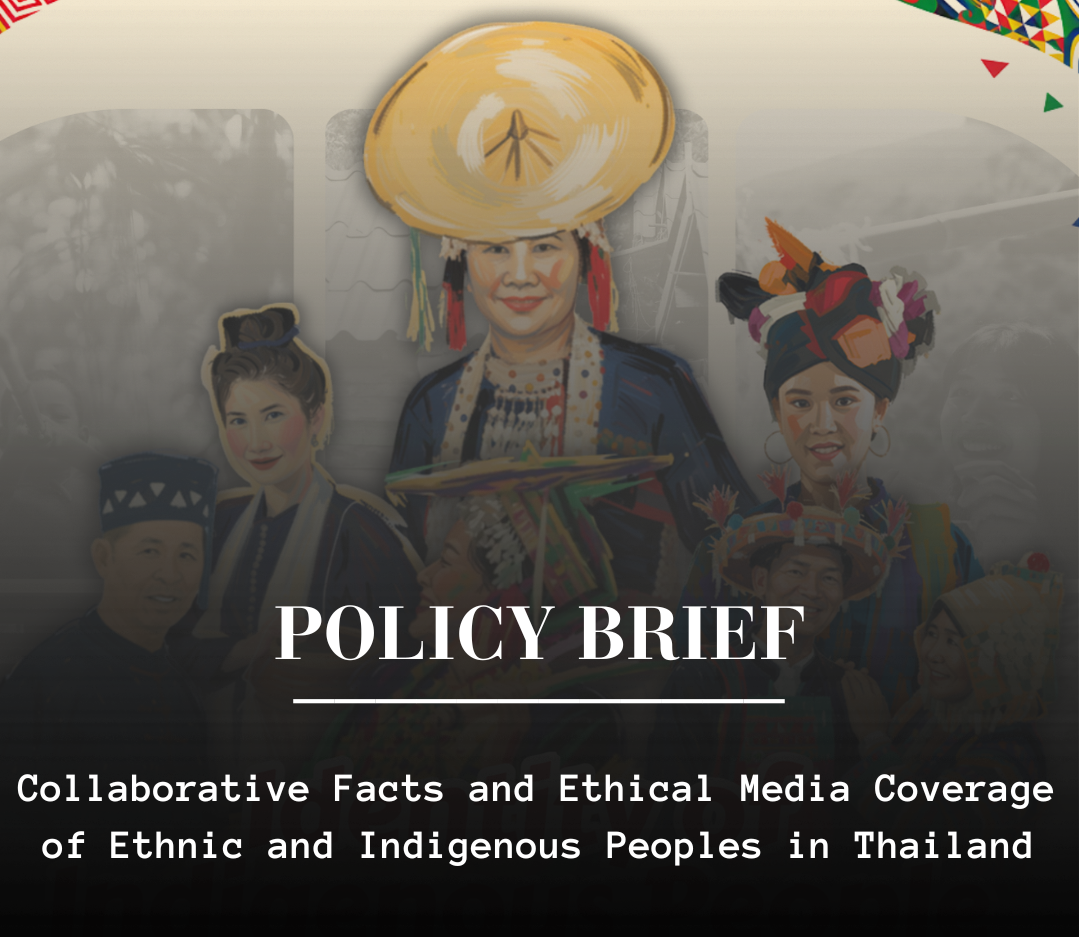
Policy Brief: Collaborative Facts and Ethical Media Coverage of Ethnic and Indigenous Peoples in Thailand
By Cofact Thailand
Thailand is home to an estimated 60 recognized ethnic and Indigenous groups, yet mislabeling, exclusionary narratives, and discriminatory attitudes toward these communities remain widespread in mainstream and digital media. Misinformation and disinformation relating to Indigenous peoples have also been amplified and become more widespread with the growing use of artificial intelligence (AI).
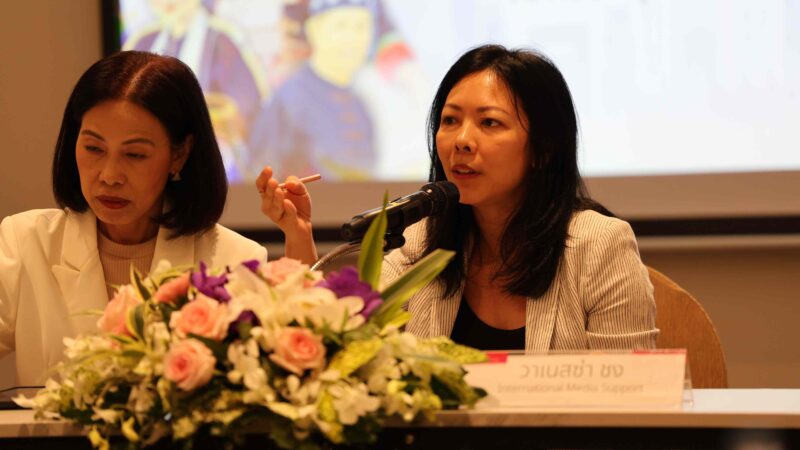
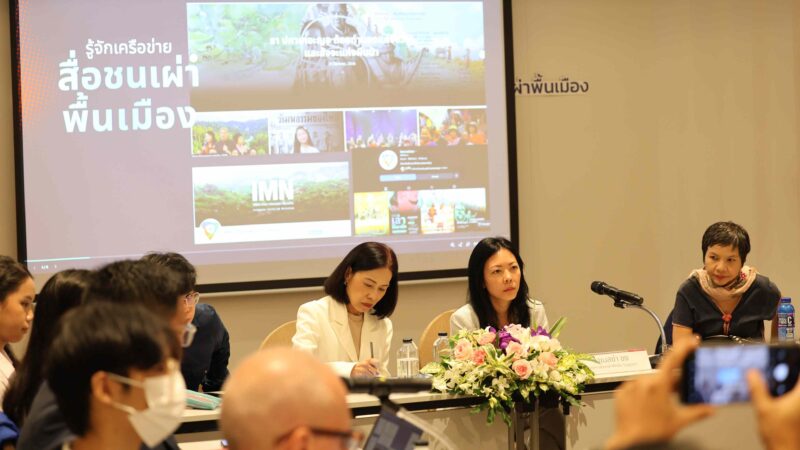
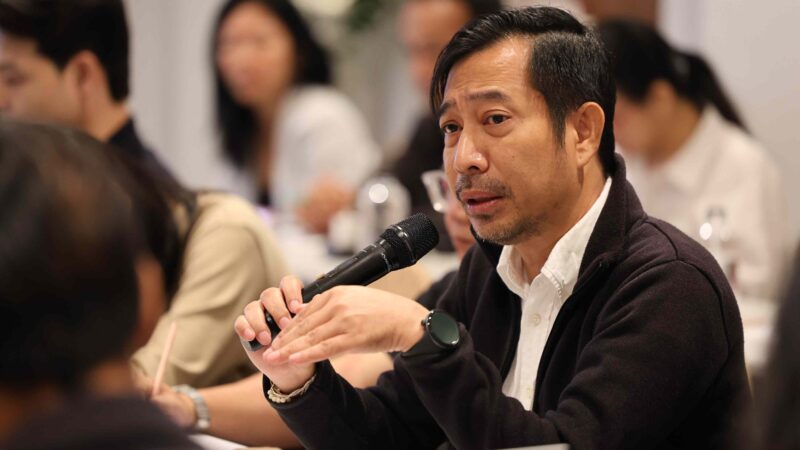
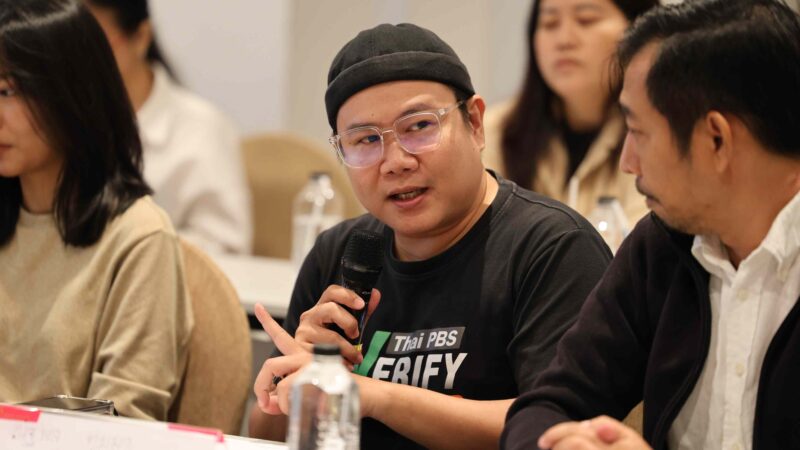
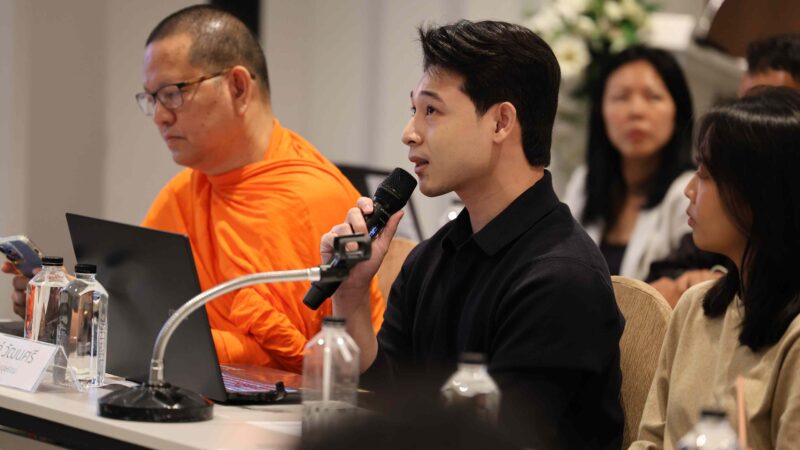
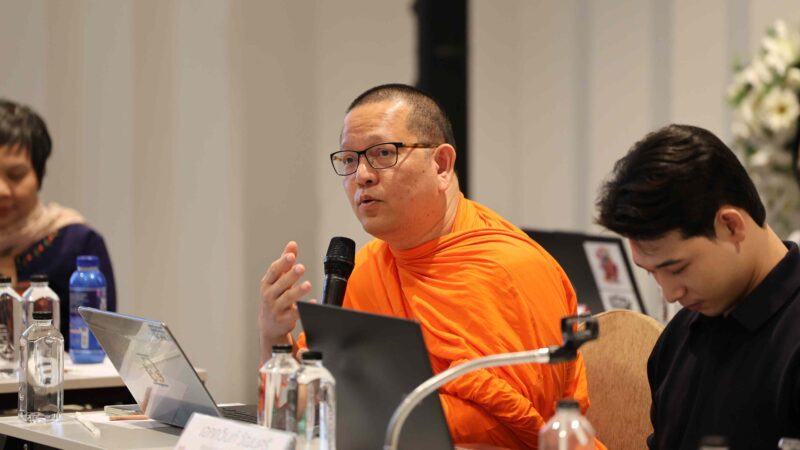
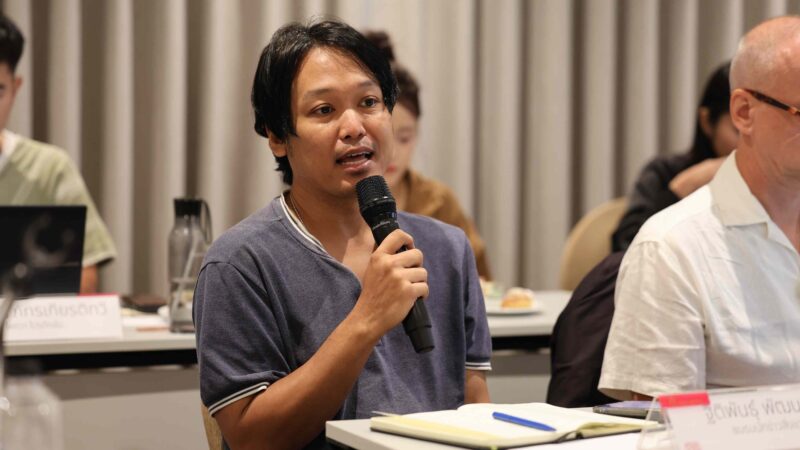
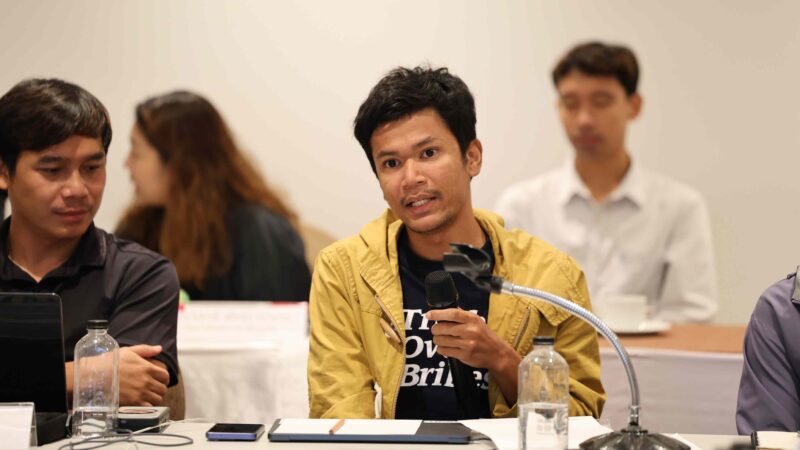
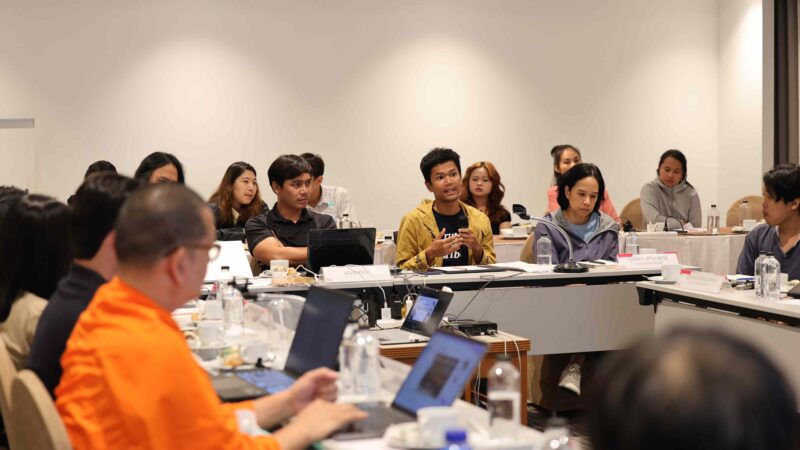
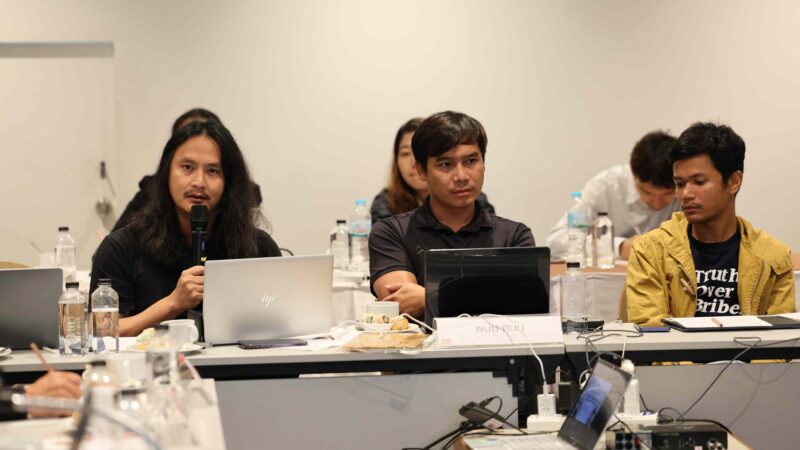
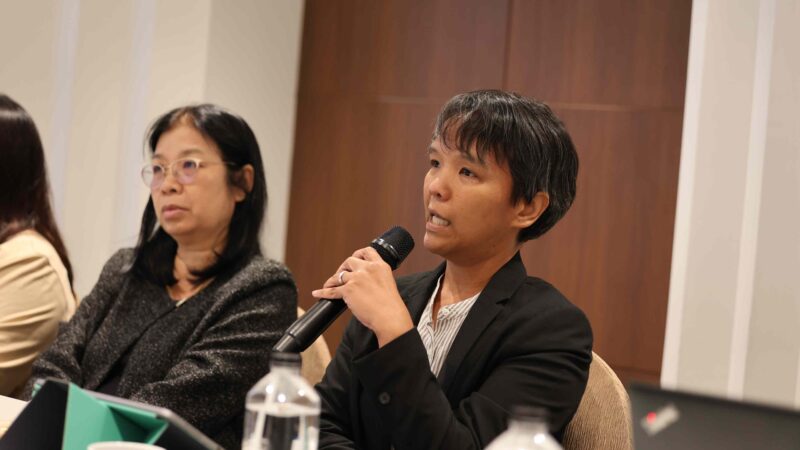
On 14 September 2026, Cofact Thailand, with support from International Media Support (IMS), organized a roundtable discussion titled “Collaborative Facts and Ethical Media Coverage of Ethnic and Indigenous Peoples in Thailand” to reflect on and explore ways to counter false narratives, promote accurate information, and strengthen ethical media coverage of Indigenous communities.
A total of 28 participants representing media associations, fact-checking organizations, content creators, state regulators, journalists, academics, faith leaders, and community advocates took part in the three-hour discussion at the Asia Hotel in Bangkok. The roundtable formed part of Cofact’s 36th Digital Thinker Forum, “Identity of Indigenous People in the Age of AI: Narrative vs. Reality in Thailand.”
- Related article: “ชาติพันธุ์” มีเสียงแต่ไม่ถูกได้ยิน ชวนสื่อ–AI เปิดพื้นที่เจ้าของวัฒนธรรมเล่าเรื่องตนเอง
- Related article: ชาติพันธุ์ไม่ใช่ “คนอื่น” ชี้ AI อาจผลิตซ้ำอคติ หากข้อมูลขาดความหลากหลาย
- Related article: ชาติพันธุ์ถูกมองเป็น “คนอื่น” ต้นตออคติ–ตีตรา ชี้ AI เปิดโอกาสให้เจ้าของเรื่องเล่าสื่อสารความจริง
The discussion opened with remarks from IMS, followed by a briefing from a representative of the Indigenous Media Network (IMN) on misinformation and false narratives targeting Indigenous peoples in Thailand.
According to the IMN, persistent attitudes in Thai society continue to portray ethnic groups as not being Thai. Such attitudes are partly rooted in ideas instilled through the education system during the era of centralized state power and have yet to be fully addressed. A recent survey of ethnic communities found that 49% had either experienced discrimination or witnessed discriminatory treatment rooted in prejudice.
The IMN representative also highlighted the long-standing misuse of ethnic group names. The Lahu, for instance, have often been referred to as “Muser,” the Akha as “E-ko,” and the Hmong as “Maew” — terms that have been used incorrectly for decades. Such mislabeling is not necessarily intentional, but often stems from a lack of knowledge among government officials, media professionals, and the general public.
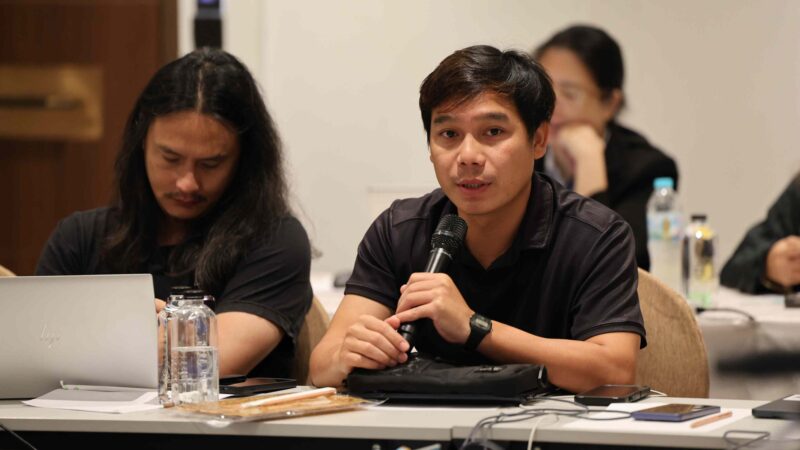
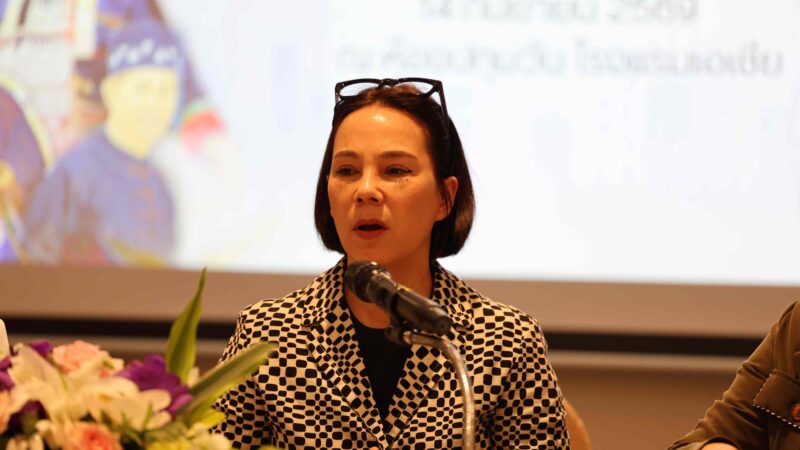
Following the IMN briefing, the floor was opened for reflections and discussion. Over the course of the roundtable, 18 speakers shared perspectives on barriers to fair, accurate, and dignified media coverage of ethnic and Indigenous communities in Thailand, as well as what would be needed to overcome them.
Participants agreed that outright disinformation about ethnic groups is compounded by everyday bias, outdated or incorrect terminology, an “us versus them” framing embedded in education and official documents, and platform algorithms and monetization systems that may amplify emotionally charged or hateful content while limiting the reach of accurate, fact-checked reporting. Professional ethics codes and complaint mechanisms already exist, but their enforcement is inconsistent. The newly enacted Protection and Promotion of the Way of Life of Ethnic Groups Act 2025 provides a policy foundation that has yet to be translated into media practice.
This brief summarizes the roundtable’s key findings and sets out policy recommendations for media and professional bodies, platforms, regulators, and civil society to address gaps in data, terminology, capacity, and accountability.
KEY FINDINGS
● Exclusionary attitudes remain widespread.
Ethnic groups in Thailand continue to be portrayed as “non-Thai” or “the other.” Such attitudes are partly rooted in limited knowledge and understanding of Indigenous peoples and in an “us versus them” framing that has become embedded in Thai society, contributing to social disparities across a range of issues over time.
● Misinformation and disinformation about ethnic groups persist.
False narratives about ethnic groups often emerge in connection with seasonal events, such as dry-season forest fires. Verification is constrained because national news desks often rely on local stringers and have no dedicated experts on ethnic affairs to consult. As a result, fact-checking in mainstream newsrooms may be limited to asking the original reporter for basic confirmation.
Participants observed that bias and disinformation concerning ethnic groups appear to arise primarily from organic, individual expression rather than coordinated inauthentic behavior (CIB) or information operations (IO). This distinction matters because the two forms of information disorder require different responses: organic bias may require addressing underlying attitudes and mindsets, a slower and less certain process than countering coordinated campaigns.
● Algorithms can compound the problem on both ends.
Accurate reporting about ethnic groups can struggle to reach audiences who are not already interested in the topic, while false or biased content further and faster than accurate reporting. Participants raised concerns that platforms’ engagement-driven systems can favor hateful or emotionally charged content. Platform accountability therefore remains a central unresolved challenge.
● Ethics codes and complaint mechanisms already exist.
The Professional Media Ethics Regulation 2021 requires respect for human dignity regardless of ethnicity or gender. Complaint mechanisms, media-literacy initiatives, and training curricula for media professionals are also already in place, while some media outlets maintain their own complaint channels.
Complaints can also be filed with the National Broadcasting and Telecommunications Commission (NBTC), the National Human Rights Commission (NHRC), and the Thailand Consumers Council, whose consumer-protection mandate extends to ethnic and Indigenous audiences. Affected parties and the general public should be encouraged to use these channels to report false or discriminatory content targeting Indigenous peoples.
● Structural and economic drivers of anti-ethnic narratives are underreported.
“Contract farming” — particularly monoculture agriculture linked to large agribusinesses — was identified as a major but under-discussed driver of forest loss. Such factors are rarely addressed in public narratives, even as ethnic communities are routinely blamed for deforestation. Field evidence, however, indicates that ethnic communities play a central role in protecting upland watershed forests.
● Community representation raises unresolved ethical questions.
Documentary and self-portrait formats that invite community members to represent their own identities — such as a media project inviting Karen community members to submit self-portraits to promote Karen identity — can generate strong and positive responses but may also draw criticism as potentially disrespectful. The case illustrates that the line between empowering visibility and exploitation can be genuinely blurred.
● A new legal foundation exists, but has yet to be translated into media practice.
Four persistent gaps limit effective communication on ethnic issues: (1) a lack of reliable data on ethnic groups (2) a shortage of communications professionals with subject-matter expertise (3) a lack of clear formats for bringing these issues to broader audiences, and (3) the absence of shared practice guidelines or a common charter.
The 2025 Protection and Promotion of the Way of Life of Ethnic Groups Act provides the country’s roughly 60 recognized ethnic groups with an administrative-rights framework. This framework could provide a basis for professional and regulatory media bodies to develop a shared curriculum defining appropriate and preferred terminology, which could then be delivered through training for media professionals and subsequently scaled to the wider public.
POLICY RECOMMENDATIONS
The following recommendations are drawn from proposals raised during the roundtable and are grouped according to the actors best placed to act on them.
For media professionals and content creators:
● Develop and adopt a shared terminology curriculum covering Thailand’s approximately 60 recognized ethnic groups, defining correct and preferred names, and deliver it through training that can be scaled from media professionals to the wider public.
● Develop practice guidelines that clarify the line between empowering representation and exploitation, in consultation and collaboration with the communities depicted.
● Extend ethics training to independent content creators, not only newsroom staff, given their growing reach and the absence of editorial oversight comparable to that of traditional media.
● Create structured channels for ethnic and Indigenous community members to work directly within media organizations, and support the development of community spokespeople who can represent their own issues.
For social media platforms operators:
● Establish dedicated and responsive escalation channels through which verified fact-checking partners can flag ethnic-related disinformation and hateful content.
● Review algorithmic ranking and monetization incentives that may reward emotionally charged or hateful content.
● Improve the discoverability of accurate, fact-checked reporting on ethnic issues so that it is not systematically outpaced by biased or false content.
For regulators and relevant state agencies:
● Align official terminology used in government documents and administrative systems with the terms ethnic communities use to identify themselves, and update official terminology accordingly.
● Operationalize the Protection and Promotion of the Way of Life of Ethnic Groups Act through implementing guidance relevant to media and communications, so that its administrative-rights protections translate into practice.
● Strengthen complaint-handling mechanisms and joint guideline development with media professional bodies specifically for ethnic-related content, while continuing to expand networks connecting ethnic communities and media stakeholders.
For civil society, fact-checkers, and community networks:
● Build a shared roster of subject-matter experts on ethnic and Indigenous affairs whom newsrooms can consult during breaking or seasonal stories, such as forest fires, addressing the verification gap identified above.
● Prioritize community access to technology and publishing tools so that ethnic and Indigenous communities can produce and distribute their own accurate content rather than relying solely on external media.
● Strengthen coordination between ethnic-issue and migrant-labor advocacy networks, given the overlapping narratives and shared audience dynamics identified during the roundtable.
● Document and collect evidence of false narratives and disinformation targeting Indigenous peoples to build a stronger evidence base for future policy development and platform advocacy.
CONCLUSION
The roundtable underscored that Thailand already has important building blocks for more ethical and accurate coverage of ethnic and Indigenous peoples: professional ethics codes, complaint mechanisms, an active fact-checking community, and a legal foundation recognizing and protecting the way of life of ethnic groups.
What remains missing is dedicated subject-matter expertise within newsrooms, clearer guidelines for community participation in storytelling, and meaningful engagement from social media platforms on the algorithmic and economic incentives that can amplify biased and hateful content.
Closing these gaps will require sustained coordination among media associations, regulators, platforms, civil society organizations, and the ethnic and Indigenous communities whose stories are at stake. Most importantly, communities themselves should have a leading role in shaping how their stories are told — not merely serve as subjects to be spoken for.