 Cofact
หลังจาก พล.อ.ประยุทธ์ จันทร์โอชา นายกรัฐมนตรี และรมว.กาลโหม ออกแถลงการณ์ผ่านโทรทัศน์รวมการเฉพาะกิจแห่งประเทศไทย ออกแถลงการณ์นายกรัฐมนตรี “ตั้งเป้าประเทศไทยต้องเปิดประเทศภายใน 120 วัน” และนำแนวทางการเปิดประเทศเข้าหารือในที่ประชุมศูนย์บริหารสถานการณ์การแพร่ระบาดของโรคติดเชื้อไวรัสโคโรนา 2019 (โควิด-19) หรือ ศบค. ก่อนมีมติเห็นชอบไปเป็นที่เรียบร้อย
กองบรรณาธิการเฉพาะกิจ TJA&Cofact ได้รวบรวมข้อมูลจากเอกสารที่เสนอเข้าสู่ที่ประชุม ศบค. ซึ่งกำหนดแผนการเปิดประเทศในปี 2564 ไว้เป็นระยะ ๆ ไล่เรียงไปจากพื้นที่ที่มีความพร้อม และเงื่อนไข ข้อปฏิบัติต่าง ๆ โดยเริ่มต้นจากจังหวัดภูเก็ต เป็นลำดับแรก ซึ่งจะนำร่องเปิดเมืองรับนักท่องเที่ยวต่างชาติเข้ามาในประเทศไทยตั้งแต่วันที่ 1 ก.ค. 2564 เป็นต้นไป ผ่านมาตรการที่ชื่อว่า “ภูเก็ต แซนด์บ๊อกซ์” (Phuket Sandbox)
เรื่องนี้กระทรวงการท่องเที่ยวและกีฬา และ การท่องเที่ยวแห่งประเทศไทย (ททท.) ได้จัดทำข้อเสนอให้ที่ประชุม ศบค. เห็นชอบในหลักการ โดยกำหนดระยะเวลาไว้ในช่วงไตรมาสที่ 3 (ก.ค. – ก.ย.2564) เป็นระยะแรกเริ่มต้นจาก Phuket Sandbox ในวันที่ 1 ก.ค.2564 ซึ่งเป็นการเปิดพื้นที่ทั้งเกาะให้นักท่องเที่ยวต่างชาติที่ฉีดวัคซีนครบเดินทางเข้ามาได้
ส่วนพื้นที่ต่อไป คือ เกาะสมุย เกาะพะงัน และเกาะเต่า จังหวัดสุราษฎร์ธานี จะเปิดตามมาในอีกไม่นานนัก โดยประเมินผลการจัดทำ Phuket Sandbox ในระยะหนึ่ง หากไม่มีการติดเชื้อเพิ่มขึ้นจนน่ากังวล ในวันที่ 15 ก.ค. 2564 ทั้ง 3 เกาะแห่งนี้จะจัดทำทำเป็น “Sealed routes” หรือกำหนดเส้นทางเฉพาะที่นักท่องเที่ยวสามารเดินทางไปได้ แต่ต้องอยู่ภายใต้เงื่อนไขที่กำหนด
จากนั้นในเดือน ส.ค.นี้ จะขยายไปยังพื้นที่อื่น ๆ ที่มีลักษณะเป็นเกาะเช่นเดียวกัน คือ เกาะพีพี เกาะไหง และไร่เล ของจังหวัดกระบี่ และเขาหลัก และเกาะยาว ในจังหวัดพังงา
ขณะที่ในเดือน ก.ย.2564 จะมีพื้นที่อื่น ๆ อีก 3 แห่ง คือ จังหวัดเชียงใหม่ ครอบคลุม อำเภอเมือง แม่ริม แม่แตง และดอยเต่า จังหวัดชลบุรี ครอบคลุม เมืองพัทยา ใน 2 อำเภอ คือ บางละมุง และสัตหีบ และจังหวัดบุรีรัมย์ ครอบคลุมอำเภอเมือง และสนามช้างอารีนา เพื่อรับการแข่งขันโมโตจีพี
ส่วนพื้นที่สุดท้ายคือในช่วงเดือน ต.ค.นี้ จะเปิดกรุงเทพฯ ชะอำ และหัวหิน อีก 3 พื้นที่เพื่อรับนักท่องเที่ยวต่างชาติต่อไป โดยทุกพื้นที่ ททท. จะต้องจัดทำข้อกำหนดกลางมาตรฐานขั้นตอนการปฏิบัติงาน (Standard Operating Procedure : SOP) นำเสนอกระทรวงสาธารณสุข และการประชุมศูนย์ปฏิบัติการ ศูนย์บริหารสถานการณ์โควิด – 19 (ศปก.ศบค.) พิจารณาด้วย
เรามาดูเงื่อนไขของการเข้ามาในประเทศสำหรับนักท่องเที่ยวต่างชาติกันบ้าง โดยยึดตามมติของที่ประชุม ศบค. ที่ออกเงื่อนไขมาค่อนข้างรัดกุมและมีขั้นตอนค่อนข้างมาก ซึ่งเราจะขอหยิบยกมาในกรณีของ Phuket Sandbox เริ่มตั้งแต่ก่อนเข้ามา นักท่องเที่ยวต้องปฏิบัติตามกฎเหล็ก 8 ข้อ ดังนี้
เมื่อเตรียมตัวพร้อมภายใต้ 8 เงื่อนไขนี้แล้ว ก็ให้นักท่องเที่ยวยื่นเอกสาร และรับใบอนุญาตเดินทางเข้าประเทศ (Certificate of Entry : COE) โดยการขอ COE ให้จองตั๋วเครื่องบินก่อน แล้วจองโรงแรม SHA+ หรือ SHA แล้วยืนยันผลการอนุมัติพร้อมเอกสาร COE และลงทะเบียนผ่านทาง www.entrythailand .go.th จากนั้นจึงเดินทางเข้ามาในประเทศไทย และต้องอยู่ภายใต้ข้อกำหนดที่ ศบค. ประกาศเอาไว้
ทั้งนี้เมื่อนักท่องเที่ยวเดินทางเข้ามาถึงประเทศไทย และมาถึงสนามบินภูเก็ตเป็นที่เรียบร้อย ต้องเข้ารับการตรวจหาเชื้อที่สนามบินทันที และนักท่องเที่ยวต้องติดตั้งแอปพลิเคชันหมอชนะ ภาษาอังกฤษ และเดินทางเข้าที่พัก ที่มีมาตรฐาน SHA+ ตามที่ ททท. กำหนด ด้วยพาหนะที่จัดไว้ โดยในระหว่างนี้ต้องรอผลตรวจอยู่ในห้องพักเท่านั้น หากผลตรวจไม่พบเชื้อ ก็สามารถเดินทางท่องเที่ยวในจังหวัดภูเก็ตได้
ในระหว่างนี้นักท่องเที่ยวจะต้องอยู่ในพื้นที่จังหวัดภูเก็ตอย่างน้อย 14 คืน แต่ถ้านักท่องเที่ยวต้องการเดินทางกลับก่อน 14 วัน สามารถทำได้ โดยต้องเดินทางด้วยเที่ยวบินตรงออกนอกราชอาณาจักร มาแวะที่กรุงเทพฯ ไม่ได้ ส่วนผู้ที่ยังอยู่พักตามกำหนด จะมีการตรวจหาเชื้อด้วยวิธี RT-PCR ตามระยะเวลาที่เข้าพัก อีก 2 ครั้ง คือในวันที่ 6-7 และวันที่ 12-13 หากไม่พบก็เดินทางไปเที่ยวพื้นที่อื่น ๆ ในประเทศไทยได้ ซึ่งนักท่องเที่ยวจะได้รับเอกสารหลักฐานการควบคุมโรค นำไปแสดงกับจังหวัดปลายทางว่าผ่านการตรวจหาเชื้อ และทำตามข้อกำหนดต่าง ๆ เรียบร้อยแล้ว
นายยุทธศักดิ์ สุภสร ผู้ว่าการ ททท. กล่าวว่า ขั้นตอนจากนี้ กระทรวงการท่องเที่ยวฯ และททท. จะนำรายละเอียดให้ที่ประชุมคณะรัฐมนตรี (ครม.) เห็นชอบเพื่อให้ทันเปิดรับวันที่ 1 ก.ค.นี้ โดยในระยะแรกจังหวัดภูเก็ตจะต้องปฏิบัติตามข้อกำหนดของ ศบค. ซึ่งแบ่งเป็นโซนสีเหลือง หรือเป็นพื้นที่เฝ้าระวังสูง เบื้องต้นในเดือนแรก จะมีนักท่องเที่ยวเข้ามาบางส่วน และเชื่อว่าในเดือนต่อ ๆ ไปจะทยอยมาเพิ่มมากขึ้น
จริงหรือไม่…? ศาลฎีกา ยกเลิกการฉีดวัคซีนสากลในสหรัฐอเมริกา
เพราะ…ข้อมูลดังกล่าวมาจากกลุ่มต่อต้านวัคซีน ที่เสนอทฤษฎีสมคบคิดต่างๆ ศาลฎีกาสหรัฐ ไม่ได้ยกเลิกการฉีดวัคซีนแต่อย่างใด
อ่านต่อได้ที่https://cofact.org/article/2tr07o5vhjf6i
จริงหรือไม่…? ตึกอายุรกรรมชาย รพ.ยะลา ตอนนี้ปิดตึกเนื่องจากตรวจพบมีคนไข้โควิด 40 ราย
เพราะ…กรณีที่เกิดขึ้นเป็นผู้ป่วยนอก1 ราย ที่เข้ารับการรักษาตัวในตึกอายุรกรรมด้วยโรคทางสมอง ปรากฏว่ามีเชื้อโควิด จึงได้ทำการแยกผู้ป่วยแล้ว
อ่านต่อได้ที่https://cofact.org/article/19jk36wy6lc2x
จริงหรือไม่…? แจ้งคิวฉีดวัคซีนใหม่ 100,000 โดส
เพราะ…เพจเฟซบุ๊ก “ไทยร่วมใจ” เตือนระวัง “ข่าวปลอม” หลังพบผู้แชร์รูปภาพแจ้งคิวการรับวัคซีนใหม่ สำหรับผู้ที่โดนเลื่อน 15-18 มิ.ย. เป็นวันที่ 21-24 มิ.ย. ยืนยัน ไม่เป็นความจริง
อ่านต่อได้ที่https://cofact.org/article/37h0gbpbqczp6
จริงหรือไม่…? โครงการไทยเข้มแข็งมีจริง
เพราะ…เป็นโครงการสมัยรัฐบาล พศ.2553-2555
อ่านต่อได้ที่https://cofact.org/article/thctypjynutx
จริงหรือไม่…? เลื่อนนัดฉีดวัคซีนเข็ม 2 เร็วขึ้น
เพราะ…ตามประกาศของคณะกรรมการโรคติดต่อแห่งชาติ ของเข็มที่ 2 จาก 16 สัปดาห์ ขึ้นมาเป็น 12 สัปดาห์
อ่านต่อได้ที่https://cofact.org/article/ozkwbvyb90kt
จริงหรือไม่…? ช้างบุกห้องครัวกลางดึก
เพราะ…เหตุเกิดที่บ้านติดกับ ป่าละอู ต.ห้วยสัตว์ใหญ่ อ.หัวหิน จ.ประจวบคีรีขันธ์ แหล่งช้างป่า เจ้าของบ้านบอก มาเป็นประจำยังไม่มีหน่วยงานช่วยเหลือ
อ่านต่อได้ที่https://cofact.org/article/2ml8m8p8xwijt
จริงหรือไม่…? EU จัดตั้งให้ประเทศไทย เป็นกลุ่มประเทศที่ปลอดภัยเดินทางเข้าได้โดยไม่ต้องฉีดวัคซีน
เพราะ…อยู่ในกลุ่ม White List ทั้งนี้ สามารถขอเอกสารรับรองฯ ไม่มีค่าใช้จ่าย กับหน่วยงานท้องถิ่นในประเทศที่เดินทางมาถึง เพื่อใช้สำหรับเดินทางข้ามไปยังประเทศอื่นใน EU
อ่านต่อได้ที่https://cofact.org/article/2q6ct4dv3148y
จริงหรือไม่…? นาซ่า เปิดภาพกรุงเทพยามค่ำคืน
เพราะ…จากเว็บสำรวจโลกขององค์การนาซ่า เผยภาพจากมุมของนักบินอวกาศให้เห็นแสงแห่งค่ำคืนใน กทม. เผยแพร่ 26 ก.พ.64 และมีเผยแพร่ในสื่อโทรทัศน์ไทย
อ่านต่อได้ที่https://cofact.org/article/2iaipi46o29uw
จริงหรือไม่…? แอพเปลี่ยนหน้าเป็นตัวการ์ตูน เก็บภาพถ่ายของผู้ใช้
เพราะ…แอพ Voila AI Artist เปิดเผยว่าไม่มีการเก็บภาพของผู้ใช้งาน แต่มีข้อสังเกตว่าระบบจะเก็บข้อมูลการใช้งานออนไลน์ และส่งไปให้บ.โฆษณา
อ่านต่อได้ที่https://cofact.org/article/os00f18vo117
จริงหรือไม่…? ออสเตรเลียคิดค้นวัคซีนโควิดแบบแผ่นแปะ
เพราะ…วัคซีน(ตัวยา)เป็นของ University of Texas ส่วนแผ่นสัมผัสเป็นของ University of Queensland และ Vaxxas
อ่านต่อได้ที่https://cofact.org/article/2unq9rym7fkef
จริงหรือไม่…? ไทยร่วมใจ แจ้งการรับวัคซีน ตั้งแต่วันที่ 15-18 มิถุนายน 2564
เพราะ…เพจไทยร่วมใจ ชี้แจง ข่าวแจ้งการรับวัคซีนใหม่ ไม่เป็นความจริง
อ่านต่อได้ที่https://cofact.org/article/1cdfpsss1sq4e
จริงหรือไม่…? อดีตนักวิทยาศาสตร์ของ Pfizer ออกมาเตือนอันตรายจากการฉีดวัคซีนโควิด-19 จะตายทันทีใน 2 สัปดาห์
เพราะ…บุคคลดังกล่าวไม่เคยมีตำแหน่งตามที่กล่าวอ้าง และการฉีดวัคซีนสามารถลดอัตราการป่วยหนักและลดการเสียชีวิตได้จริง
อ่านต่อได้ที่https://cofact.org/article/36qz2visjtptz
จริงหรือไม่…? ดื่มโกโก้ ช่วยบำรุงสมอง
เพราะ…ชัวร์ก่อนแชร์ ตรวจสอบ พบว่าโกโก้ช่วยให้เซลล์สมองทำงานดีขึ้น ชะลอให้เกิดโรคช้าลง แต่ไม่สามารถรักษาโรคอัลไซเมอร์ได้ ทั้งนี้ควรเป็นโกโก้ร้อยเปอร์เซ็นต์และต้องดูแลรักษาสมองด้วยการพักผ่อนและออกกำลังกายคู่กันไป
อ่านต่อได้ที่https://cofact.org/article/2xxczig6d37eb
จริงหรือไม่…? ศบค.จังหวัดยะลา ออกคำสั่ง ปิดตลาดในเขตอำเภอธารโตทุกแห่ง
เพราะ…อำเภอธารโตยังคงพบผู้ติดเชื้ออย่างต่อเนื่อง และกระจายออกเป็นวงกว้าง
อ่านต่อได้ที่https://cofact.org/article/qshqoz9ea0eo
จริงหรือไม่…? กระทรวงมหาดไทย ร่วมกับกระทรวงสาธารณสุข เปิดให้เช็กข้อมูลการฉีดวัคซีนโควิด-19 สำหรับประชาชนทั่วไปที่ ไม่ได้ใช้แอปพลิเคชั่นหมอพร้อม
เพราะ…เป็นทางเลือกใหม่สำหรับผู้ไม่ได้ใช้แอพลิเคชั่น โดยเปิดช่องทางเช็กข้อมูลผ่านเว็บไซต์ได้
อ่านต่อได้ที่https://cofact.org/article/2cdre6psih1gq
จริงหรือไม่…? ฉีดวัคซีน แล้วเหรียญติดแขนได้
เพราะ…วัคซีน COVID19 จะไม่ทำให้กลายเป็นแม่เหล็ก เพราะปลอดจากวัสดุโลหะ นอกจากนี้ วัคซีนไม่มีส่วนผสมของไมโครชิพใดๆ ที่จะถูกรบกวนโดยสัญญาณ 5G ได้
อ่านต่อได้ที่https://cofact.org/article/27w2h7oyewmbi
จริงหรือไม่…? สธ.แถลง กรณีผู้จองวัคซีนผ่านหมอพร้อม ในกทม. ถ้าไม่มีการเลื่อนนัด สามารถไปได้ตามเดิม
เพราะ…อธิบดีกรมการแพทย์ แถลง หากผู้ใดไม่ได้ถูกเลื่อนนัดฉีดวัคซีนจากทางโรงพยาบาลที่ได้ลงทะเบียนไว้ก็ให้ไปตามนัดหมายเดิม
อ่านต่อได้ที่https://cofact.org/article/23uckr00ztp1k
จริงหรือไม่…? กระทรวงมหาดไทย ร่วมกับกระทรวงสาธารณสุข เปิดให้เช็กข้อมูลการฉีดวัคซีนโควิด-19
เพราะ…เปิดให้เช็กผ่านเว็บไซต์สำหรับประชาชนไม่ได้ใช้แอป หมอพร้อม และสำหรับเจ้าหน้าที่ที่กำหนดไว้ให้คนที่ฉีดวัคซีนเข้าพื้นที่ได้
อ่านต่อได้ที่https://cofact.org/article/3f87zyavj1hmk
จริงหรือไม่…? ฉีดวัคซีนแล้วสามารถไปบริจาคโลหิตได้
เพราะ…ฉีด Sinovac เว้น 1 สัปดาห์ ฉีด AstraZeneca Johnson & Johnson เว้น 4 สัปดาห์ จึงบริจาคได้ กรณีผู้มีอาการข้างเคียงต้องรักษาให้หายก่อน และเว้น1 สัปดาห์ ถึงบริจาคได้
อ่านต่อได้ที่https://cofact.org/article/pbsc6u46fu7w
จริงหรือไม่…? ยอดฉีดวัคซีนไทยเป็นอันดับ 3 รองจากอินโดนีเซียและฟิลิปปินส์
เพราะ…ข้อมูลดังกล่าวหมายถึงตัวเลขวัคซีนที่มีการฉีดประเทศไทยเป็นอันดับสามจากการแถลงของกระทรวงอุดมศึกษา
อ่านต่อได้ที่https://cofact.org/article/2vlpifk6t463p
จริงหรือไม่…? นิวส์ยอร์คไทม์ จัดอันดับวัคซีน อันดับ 1-4 เป็นของจีน แต่ไฟเซอร์ อยู่อันดับที่ 6
เพราะ…บทความดังกล่าวไม่ได้มีการจัดอันดับความปลอดภัยของวัคซีนโควิด-19
อ่านต่อได้ที่https://cofact.org/article/3hhqf5r679qw2
จริงหรือไม่…? ตำรวจ สน.ทองหล่อ เสียชีวิตหลังจากฉีดวัคซีนโควิด-19 เข็มที่ 2
เพราะ…ผู้เสียชีวิตยังไม่ได้รับการฉีดวัคซีน แพทย์สันนิษฐานว่าระบบไหลเวียนโลหิตล้มเหลว
อ่านต่อได้ที่https://cofact.org/article/mr5etz16g2mu
จริงหรือไม่…? ต้องงดยาก่อนฉีดวัคซีน SINOVAC
เพราะ…ยาบางชนิด ไม่ต้องงด ควรหลีกเลี่ยงเครื่องดื่มแอลกอฮอล์ เป็นไข้ถ้าหายก็ฉีดได้
อ่านต่อได้ที่https://cofact.org/article/apdk6pukhsgg
จริงหรือไม่…? นายกฯ อนุมัติแล้ว ให้เงินเยียวยาประชาชนคนละ 10,000 บาท ทุกคนทุกอาชีพ ไม่ต้องลงทะเบียน
เพราะ…ไม่มีมาตรการเยียวยาประชาชนดังกล่าวแต่อย่างใด
อ่านต่อได้ที่https://cofact.org/article/2fipv6ob3jgkx
จริงหรือไม่…? ทารก ถ้าอายุมากกว่า 6 เดือนแล้วให้หย่านมแม่
เพราะ…นมแม่ช่วยเสริมสร้างระบบภูมิคุ้มกัน ควรให้ควบคู่กับอาหารที่มีคุณค่า ตั้งแต่เดือนที่ 6 ไปจนถึงลูกอายุ 2 ขวบ
อ่านต่อได้ที่https://cofact.org/article/1erydn66ctib2
จริงหรือไม่…? หมูป่วยตาย ด้วยโรคเอดส์หมู อันตราย ห้ามกินไส้กรอก
เพราะ…เป็นข่าวเก่าที่วนซ้ำกลับมาแชร์ใหม่
อ่านต่อได้ที่https://cofact.org/article/2lqmbx7mer0k9
จริงหรือไม่…? ผู้ได้รับวัคซีนทั้งหมดจะเสียชีวิตภายใน 2 ปี
เพราะ…Luc Montagnier มีความกังวลเกี่ยวกับวัคซีน แต่ไม่ได้พูดประโยคดังกล่าวแต่อย่างใด
อ่านต่อได้ที่https://cofact.org/article/2hou1f7czj1qw
จริงหรือไม่…? มะนาวโซดา รักษามะเร็ง
เพราะ…มะนาวโซดาไม่มีข้อบ่งใช้ในการรักษามะเร็ง
อ่านต่อได้ที่https://cofact.org/article/2njd4tktidfpe
จริงหรือไม่…? ประชาชนสิงคโปร์ ออกมาปฏิเสธวัคซีนไฟเซอร์กับโมเดอร์น่า
เพราะ…เป็นการแปลที่ผิดพลาด ความจริงแล้วเป็นข่าวเกี่ยวกับ รัฐจะชดเชยให้กับประชาชนสิงคโปร์ที่ไม่ได้รับวัคซีนหรือมีอาการแพ้ไฟเซอร์ โมเดอน่า และสามารถฉีดวัคซีนไซโนแวคแทนได้ที่คลินิคของเอกชน
อ่านต่อได้ที่https://cofact.org/article/1alq8nz58jqmi
จริงหรือไม่…? ครม.อนุมัติเยียวยาทั่วกัน ได้เดือนละ 5,000 บาทให้ทุกกลุ่ม 3 เดือน
เพราะ…ยังไม่พบมาตรการเยียวยาดังกล่าวแต่อย่างใด
อ่านต่อได้ที่https://cofact.org/article/3uwc3pjne4a1m
จริงหรือไม่…? เลื่อนฉีดวัคซีนผู้จองผ่านไทยร่วมใจ ตั้งแต่ 15 มิ.ย. 64
เพราะ…โดยจะจัดฉีดวัคซีนให้ทุกคนโดยเร็วที่สุด ทันทีที่ได้รับการจัดสรรวัคซีน จะมี SMS แจ้งให้สามารถเลือกวันและเวลานัดหมายใหม่
อ่านต่อได้ที่https://cofact.org/article/4vesaq4rpmo4
จริงหรือไม่…? เปิดลงทะเบียน คนละครึ่ง เฟส 3
เพราะ…เริ่มเปิดลงทะเบียนวันแรกเมื่อวันที่ 14 มิ.ย. ที่ผ่านมา ผ่านทางเว็บไซต์คนละครึ่งและแอพเป๋าตัง
อ่านต่อได้ที่https://cofact.org/article/e37lwosnzi6b
จริงหรือไม่…? วัดบางม่วง เผาศพโควิด จนเตาเผาชำรุด
เพราะ…เจ้าอาวาสประกาศเผาศพโควิดที่ไม่มีที่ไหนรับเผาฟรี เตาเผาชำรุด ต้องเปลี่ยนจากระบบถ่าน เป็นระบบน้ำมัน
อ่านต่อได้ที่https://cofact.org/article/2z5f99zh9yvzu
จริงหรือไม่…? ผลสำรวจเกี่ยวกับความมั่นใจของคนไทยต่อการฉีดวัคซีนโควิด19
เพราะ…เป็นผลสำรวจจากสวนดุสิตโพล จากกลุ่มตัวอย่างจำนวน 1,450 คน สำรวจวันที่ 7-10 มิถุนายน 2564 โดยพบว่าการกำหนดให้การฉีดวัคซีน เป็นวาระแห่งชาตินั้นเป็นเรื่องที่ควรดำเนินการโดยเร่งด่วน
อ่านต่อได้ที่https://cofact.org/article/3pq8rr4gnd7rc
จริงหรือไม่…? ข้าราชการลงทะเบียนคนละครึ่ง เฟส3 ได้
เพราะ…กระทรวงการคลัง ยืนยัน ข้าราชการ พนักงานราชการ ข้าราชการเมือง ผู้ได้รับบำนาญ สามารถลงทะเบียนเข้าร่วม คนละครึ่งเฟส 3 ได้
อ่านต่อได้ที่https://cofact.org/article/3hhikyqykulwr
จริงหรือไม่…? สถานทูตไทยในสหรัฐฯ เตือนพกยาสมุนไพรต้องมีฉลากภาษาอังกฤษชัดเจน
เพราะ…ต้องมีฉลากภาษาอังกฤษชัดเจน หลังนักศึกษาไทยพกน้ำมันผสมสารสกัดกัญชาและแคปซูลฟ้าทะลายโจร ถูกควบคุมตัวส่งกลับไทย-เพิกถอนวีซ่า
อ่านต่อได้ที่https://cofact.org/article/2ym60t1no1l7u
จริงหรือไม่…? ฉีดวัคซีนโควิด 19 ก่อนและหลังรับวัคซีนอื่นได้ ใน 2 สัปดาห์
เพราะ…กรมควบคุมโรค แนะ เว้นระยะระหว่างวัคซีนโควิด 19 และวัคซีนชนิดอย่างน้อย 2 สัปดาห์ เพื่อหลีกเลี่ยงการเกิดปฏิกิริยาจากการฉีดวัคซีนพร้อมกัน และเพื่อหลีกเลี่ยงการรบกวนการตอบสนองต่อวัคซีนที่ฉีดตามมา
อ่านต่อได้ที่https://cofact.org/article/2aq4n6bg3sbxg
จริงหรือไม่…? มีเว็บปลอม เลียนแบบกระทรวงสาธารณสุข
เพราะ…มีการทำ URL ให้คล้ายเว็บกระทรวง แต่เปลี่ยนตัวอักษร จาก moph เป็น mqph ถ้าหลงเชื่อกดเข้าไป จะเจอเว็บปลอมที่หลอกให้เรากรอกข้อมูลสำคัญ ชื่อ เบอร์มือถือ และเลขบัตรประชาชน
อ่านต่อได้ที่https://cofact.org/article/16as0ldgbnwv4
จริงหรือไม่…? JUST IN – CDC จะจัด “การประชุมฉุกเฉิน” เกี่ยวกับรายงานการอักเสบของหัวใจที่หายาก แต่ “สูงเกินคาด” หลังจากการฉีด Pfizer ที่ใช้ mRNA และวัคซีน Moderna
เพราะ…สำนักข่าวต่างประเทศเสนอตรงกันว่าจะมีการจัดประชุมดังกล่าว
อ่านต่อได้ที่https://cofact.org/article/3dsvc51i6ywae
จริงหรือไม่…? ปทุมธานีเปิดลงทะเบียนฉีดวัคซีนโควิด 19 ของ ซิโนฟาร์ม
เพราะ…นายกองค์การบริหารส่วนจังหวัดปทุมธานี ได้เดินทางมาจองวัคซีนตัวเลือกซิโนฟาร์ม ที่สถาบันราชวิทยาลัยจุฬาภรณ์ แต่ยังเป็นการมาจองเท่านั้น ยังไม่มีการเปิดให้ประชาชนมาลงทะเบียน
อ่านต่อได้ที่https://cofact.org/article/95r1pedaoce7
จริงหรือไม่…? พบการอักเสบของหัวใจหลังจากฉีดวัคซีน mRNA ครั้งแรก (Pfizer, Moderna)
เพราะ…จริง แต่มีรายงานไม่กี่ชิ้นที่บ่งชี้อาการดังกล่าว และเป็นอาการเพียงเล็กน้อย
อ่านต่อได้ที่https://cofact.org/article/1uvt5m6u58bnh
กระทรวงสาธารณสุข เผย อาการไข้ หนาวสั่น ปวดเมื่อยตามตัวในกลุ่มคนวัยทำงาน หลังรับวัคซีนแอสตร้าฯ เป็นกลุ่มอาการปกติของวัคซีนแอสตร้าฯ ส่วนใหญ่ร้อยละ 99 หายดีภายใน 2-3 วัน รวมถึงร่างกายวัยหนุ่มสาว มีปฏิกิริยาตอบสนองที่ดีกว่าผู้สูงอายุในการสร้างภูมิคุ้มกัน
มาดูฝั่ง นพ.เกียรติภูมิ วงศ์รจิต ปลัดกระทรวงสาธารณสุข ระบุว่า
ภาพรวมการฉีดวัคซีน ในช่วง 3 วันที่ผ่านมา เมื่อมีการฉีดวัคซีนมากขึ้น ย่อมเกิดผลข้างเคียงมากขึ้นตามสัดส่วนที่ได้รับการฉีด ซึ่งบางรายที่เกิดผลข้างเคียงนั้นก็จะต้องไปพิสูจน์ว่าเกิดจากวัคซีนหรือไม่
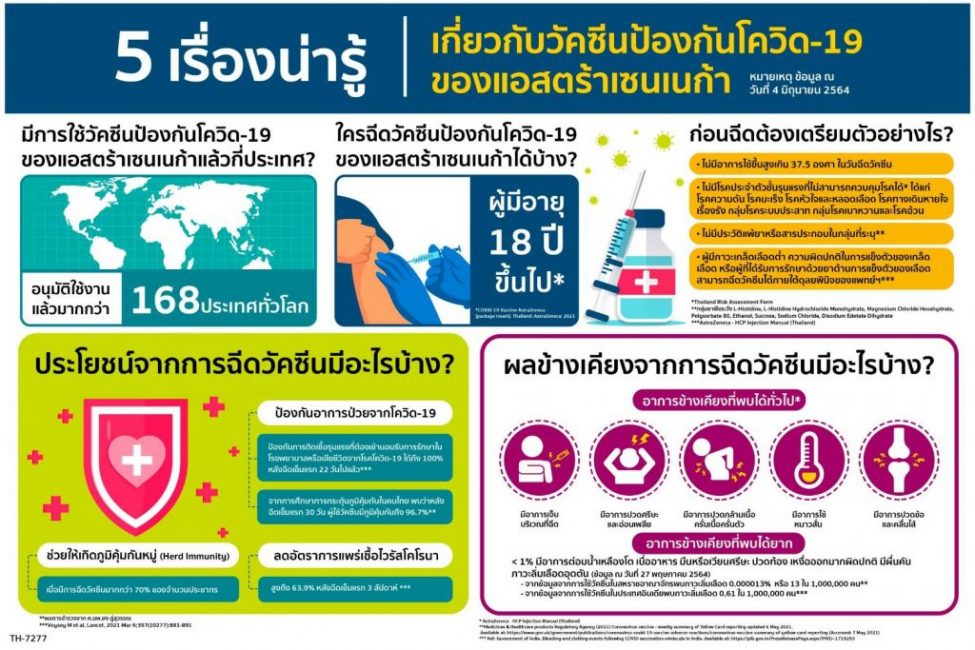
ขณะที่ กลุ่มวัยทำงาน เมื่อรับวัคซีนแอสตร้าเซเนก้า แล้ว มีอาการไม่พึ่งประสงค์ มากกว่า ผู้สูงอายุที่รับวัคซีน ทาง ปลัดกระทรวงสาธารณสุข ระบุว่า จากการรายงาน มี ร้อยละ 30 ส่วนใหญ่มีอาการไข้ หนาวสั่น ชาตามตัว ถือเป็นกลุ่มอาการเดิม ของอาการไม่พึ่งประสงค์หลังรับวัคซีนแอสตร้าฯ ที่เคยออกมาประกาศก่อนหน้านี้ ไม่ใช่กลุ่มอาการใหม่ ส่วนใหญ่ กินยา อาการก็จะดีขึ้นภายใน 24-48 ชั่วโมง รวมถึงในช่วงอายุ 30-40 ปีขึ้นไป อาจพบอาการลิ้มเลือดได้
ส่วนมีอาการหลังรับวัคซีน ทำให้ภูมิขึ้นง่ายนั้น ปลัดสธ. อธิบาย ว่า วัคซีนแอสตร้าฯ เป็นเทคโนโลยีใหม่ เมื่อฉีดเข้าร่างกาย ร่างกายจะมีปฏิกิริยากับสารของวัคซีนที่ฉีดเข้าไป เหมือนมีสิ่งแปลกปลอมเข้าร่างกาย ซึ่งเป็นไปตามหลักการของการรับวัคซีนทั่วไป ซึ่งเป็นความซับซ้อนของร่างกาย แต่ไม่ใช่ว่า คนมีอาการมาก ภูมิจะขึ้นเร็วกว่าคนที่ไม่มีอาการ ขณะที่คนไม่มีอาการภูมิก็ขึ้นเหมือนกัน ซึ่งแล้วแต่บุคคล
ทั้งนี้วัคซีนแอสตร้าฯ เข็มแรก จะมีภูมิขึ้นประมาณ ร้อยละ 70-80 % ส่วนเข็ม 2 ภูมิจะขึ้นประมาณ ร้อยละ 10-20
ขณะที่นพ. สมศักดิ์ อรรฆศิลป์ อธิบดีกรมการแพทย์ ระบุถึง กรณีที่วัยหนุ่มสาว วัยทำงาน มีอาการไม่พึงประสงค์หลังฉีด มาก หลังรับวัคซีนแสตร้าเซเนก้า เช่น มีไข้ หนาวสั่น ปวดตัว ตัวชา จากข้อมูลรายงาน การสันนิษฐาน มีด้วยกัน 3 ปัจจัย คือ
ซึ่ง ต่างประเทศ ก็มีรายงานพบลักษณะอาการเดียวกันหลังรับวัคซีนแอสตร้าเซเนก้า
หาก ลงทะเบียน หมอพร้อม จะมีติดตามอาการ ถ้ามีอาการผิดปกติสามารถสอบถามไปยังสถานที่ฉีด หรือหากมีอาการมากให้ไปยังสถานพยาบาลทันที
ส่วนอาการตัวชา ส่วนใหญ่เป็นอาการชั่วคราว แขนขาชา โดยซิโนแวค ก็พบอาการคล้ายกัน ซึ่งมีการตรวจอย่างละเอียด ไม่พบอาการผิดปกติเพิ่มเติม โดยหายเองภายใน2-3 วัน.
จริงหรือไม่…? ผู้ป่วยโควิด หนีออกจากโรงพยาบาลที่อุบลราชธานี
เพราะ…หนีออกไปเพียง 1 ชั่วโมง แล้วกลับมาโรงพยาบาล.
อ่านต่อได้ที่https://cofact.org/article/2o9o3rofjt2bi
จริงหรือไม่…? โควิด-19 ไม่มีอยู่จริงในรูปของไวรัส แต่เป็นแบคทีเรียที่ได้รับรังสีและทำให้มนุษย์เสียชีวิตจากการแข็งตัวของเลือด
เพราะ…โลกได้ให้การยอมรับแล้วว่าโควิดเกิดจากโคโรน่าไวรัส.
อ่านต่อได้ที่https://cofact.org/article/3sp6t4dq7e9c9
จริงหรือไม่…? แป๊บซี่แจกรางวัล จากกองทุน.
เพราะ…Pepsithai ชี้ บริษัทฯ ไม่ได้เป็นผู้จัด สนับสนุน หรือมีส่วนเกี่ยวข้องกับกิจกรรมดังกล่าว แต่อย่างใด
อ่านต่อได้ที่https://cofact.org/article/3nnnnze1bjitq
จริงหรือไม่…? Phuket Sandbox ปรับเงื่อนไขใหม่ ให้ผู้เดินทางที่เดินทางเข้ามายังจังหวัดภูเก็ต ต้องพักโรงแรมที่ภูเก็ต จาก 7 คืนเป็น 14 คืน.
เพราะ…กระทรวงสาธารณสุข ยืนยัน นักท่องเที่ยวต่างชาติที่เดินทางเข้าภูเก็ต ต้องกักตัวในพื้นที่จังหวัดภูเก็ต 14 วัน ตามประกาศของกระทรวงการต่างประเทศ.
อ่านต่อได้ที่https://cofact.org/article/3l2p4r8hep02p
จริงหรือไม่…? ฉีดวัคซีนครบ 2 เข็ม เที่ยวเกาะสมุยได้ไม่ต้องกักตัว.
เพราะ…เป็นการผ่อนคลายสถานการณ์ และเป็นการกระตุ้นเศรษฐกิจด้านการท่องเที่ยวให้กับเกาะสมุย.
อ่านต่อได้ที่https://cofact.org/article/3d06xozzq2p3q
จริงหรือไม่…? หญิงตั้งครรภ์ควรฉีดวัคซีน.
เพราะ…ควนฉีดหลังอายุครรภ์ 12 สัปดาห์เป็นต้นไป แนะ ควรฉีด Sinovac .
อ่านต่อได้ที่https://cofact.org/article/6pxrl6bf83as
จริงหรือไม่…? เชียงใหม่ประกาศปิดสถานบริการ สถานบันเทิง โรงภาพยนตร์ ร้านเกม ร้านอินเทอร์เน็ต และสถานที่อื่นๆ ต่อ มีผล ตั้งแต่ 9 มิถุนายน 2564 เป็นต้นไป
เพราะ…เป็นไปตามความเห็นชอบของคณะกรรมการโรคติดต่อจังหวัดเชียงใหม่ตามมติที่ประชุมครั้งที่ 45/2564 เมื่อวันที่ 8 มิถุนายน 2564.
อ่านต่อได้ที่https://cofact.org/article/2pkc7tdz8aavj
จริงหรือไม่…? อาจเกิดภาวะ VITT หลังฉีดวัคซีนโควิด.
เพราะ…เป็นอาการที่อาจเกิดได้ 4-30 วันหลังได้รับวัคซีน แนะ หากมีอาการปวดหัว อ่อนแรง หน้าเบี้ยว ปากเบี้ยว พูดไม่ชัด ชัก ตามัว เห็นภาพซ้อน เหนื่อยง่าย หายใจลำบากหรือติดขัด เจ็บแน่นหน้าอก ปวดท้องหรือปวดหลังรุนแรง ขาบวมแดง หรือ ซีด เย็น ให้เข้ารับการตรวจทางห้องปฏิบัติการเพื่อวินิจฉัยหาสาเหตุที่แท้จริง.
อ่านต่อได้ที่https://cofact.org/article/ft52l3qrri58
จริงหรือไม่…? กองปราบปราม” โพสต์เตือนภัย “เราชนะปลอม” หลอกให้กดลิงก์-กรอกข้อมูลส่วนตัว
เพราะ…โครงการเราชนะ ม่มีนโยบายส่ง SMS ไปยังผู้ร่วมโครงการ แนะ ไม่ควรกดลิงก์ไปที่เว็บไซต์ หรือ กรอกข้อมูลส่วนตัว.
อ่านต่อได้ที่https://cofact.org/article/12bfjji7y74q6
จริงหรือไม่…? อ.สังขะบุรี จ.กาญจนบุรี ได้รับวัคซีน เพียง 1 ขวด
เพราะ…ผู้ว่าราชการจังหวัดกาญจนบุรี ชี้ ได้วัคซีนเพียง 1 ขวด เพราะมีผู้ลงทะเบียนไว้ 10 คนเท่านั้น.
อ่านต่อได้ที่https://cofact.org/article/1naj92ruehcuc
จริงหรือไม่…? การฉีดวัคซีน แอสตร้าแซนนิก้า อาจทำให้มีไข้อ่อนๆ
เพราะ…แต่อาจเกิดในบางบุคคล เพราะร่างกายมีการตอบสนองต่อวัคซีนแตกต่างกัน
อ่านต่อได้ที่https://cofact.org/article/1d28p3u7cm01y
จริงหรือไม่…? กัญชาป้องกันและรักษาโควิดได้
เพราะ…ยังไม่มีงานวิจัยทางการแพทย์ที่ยืนยันว่ากัญชาช่วยป้องกันการติดเชื้อไวรัสโควิด-19 ได้ และกระทรวงสาธารณสุขยังไม่อนุญาตให้ใช้กัญชารักษาโรคโควิด-19
อ่านต่อได้ที่ https://cofact.org/article/d4b4o3hjz3se
จริงหรือไม่…? สมุนไพร ใบเตย ตะไคร้ มะกรูด ขิง ข่า ต้มและนำมาสูดดมป้องกันโควิด
เพราะ…ยังไม่มีงานศึกษาวิจัยว่าสมุนไพรไทย ช่วยรักษาอาการป่วยจากโควิดหรือไม่ แต่มีงานวิจัยหลายชิ้นบอกว่าสมุนไพรไทย มีน้ำมันหอมระเหย สามารถกระตุ้นภูมิคุ้มกันในร่างกายให้ดีขึ้น
อ่านต่อได้ที่ https://cofact.org/article/aoduj8ddoy2h
จริงหรือไม่…? ต้มน้ำขิง กินทั้งวัน และ กินฟ้าทะลายโจร 3 เวลา ครั้งละ 5 เม็ด ดื่มน้ำมะนาว ผสมน้ำอุ่น เช้าเย็น กินอาหารสมุนไพรไทย รักษาโควิดได้
เพราะ…ยังไม่มีรายงานทางการแพทย์ใดยืนยันว่าการดื่มน้ำมะนาวผสมเกลือช่วยฆ่าเชื้อไวรัสโควิด-19 ได้
อ่านต่อได้ที่ https://cofact.org/article/3qrzw8vx9xaa4
จริงหรือไม่…? วัคซีนเข็ม 2 นอกจากจะตรวจความถูกต้องแล้ว ต้องบอกให้เขาลงหมายเลข passport
เพราะ…ไม่ต้องใช้เลขพาสปอร์ต แต่หากต้องการขอวัคซีนพาสปอร์ตเพื่อเดินทางข้ามประเทศ สามารถทำได้ในสถานที่กำหนด
อ่านต่อได้ที่ https://cofact.org/article/t3luhc8ya5l9
จริงหรือไม่…? การกระจายวัคซีน มิ.ย.
เพราะ…กรมควบคุมโรค เผยแผนกระจายวัคซีนโควิด มิ.ย.นี้ 6 ล้านโดส เตรียมจุดฉีดต่างจังหวัด 993 จุด กทม.25 จุด ประกันสังคม 25 จุด มหาวิทยาลัย 11 แห่ง ติดตามข้อมูลในจังหวัด หรือคณะกรรมการโรคติดต่อจังหวัดนั้นๆ
อ่านต่อได้ที่ https://cofact.org/article/nyc6krvloazq
จริงหรือไม่…? วอล์ล แจกไอศครีม 1 ล้านแท่ง
เพราะ…แจกที่ศูนย์ให้บริการวัคซีน ตั้งแต่วันที่ 7 มิ.ย. นี้ ตามข้อความ วอลล์ขอร่วมเป็นส่วนเล็กๆ ของช่วงเวลาแห่งความสุข
อ่านต่อได้ที่ https://cofact.org/article/1ak0sizi1oslr
จริงหรือไม่…? คนละครึ่ง เฟส 3 รับเพิ่ม 16 ล้านสิทธิ์
เพราะ…ผู้ที่เคยรับสิทธิ์แล้วกดยืนยันรับสิทธิในแอพเป๋าตัง ผู้ที่ยังไม่เคยรับสิทธิ์คนละครึ่ง เปิดลงทะเบียนเพิ่ม 14 มิ.ย. ผ่านแอพเป๋าตัง หรือ เว็บไซต์คนละครึ่ง เวลา 06.00-22.00 น.
อ่านต่อได้ที่ https://cofact.org/article/1if315laa8rll
ปัจจุบันสื่อโซเชียลมีเดีย (Social Media) กำลังก้าวเข้ามามีบทบาทสำคัญเป็นอย่างยิ่ง ทั้งในแง่ของการใช้เพื่อการสื่อสารในระดับบุคคล ระดับองค์กร และในระดับของใช้เพื่อสื่อสารในสาธารณะ โดยมีองค์กรมากมายใช้ช่องทางของโซเชียลมีเดียในการสื่อสาร อำนวยความสะดวก เนื่องจากเข้าถึงง่าย สื่อสารได้รวดเร็ว และมีต้นทุนที่ต่ำ โดยเฉพาะอย่างในการใช้สื่อผ่านช่องทางโซเชียลแพล็ตฟอร์ม Facebook
ล่าสุด We Are Social ได้ทำการสำรวจข้อมูลผู้ใช้ Facebook ในประเทศไทย ในเดือน มกราคม 2564 พบว่า คนไทยมีการใช้งาน Facebook ไม่น้อยกว่า 51 ล้านบัญชี หรือคิดเป็น 84.9% ของจำนวนประชากรที่มีอายุ 13 ปีขึ้นไป แน่นอนว่าหลายคนไม่ได้มีแค่บัญชีส่วนตัวเพียงอย่างเดียว แต่มีการสร้างแฟนเพจไว้ดำเนินกิจกรรมต่าง ๆ มากมาย โดยเฉพาะการใช้เป็นช่องทางการสื่อสารให้ถึงกลุ่มเป้าหมาย
อย่างในกรณีของการสร้างแฟนเพจที่เกี่ยวข้องกับการนำเสนอข่าวสารโครงการของรัฐ หรือมาตรการต่าง ๆ ที่ออกมาจากหน่วยงานของรัฐบาล จากการสำรวจข้อมูลพบว่า มีผู้ที่สร้างแฟนเพจในลักษณะนี้ค่อนข้างมาก โดยมีทั้งการนำเสนอข้อมูลจากทางรัฐในลักษณะต่าง ๆ ทั้งข้อมูลจริงของรัฐทั้งหมด ข้อมูลบิดเบือนจากข้อเท็จจริง ข้อมูลที่ทำขึ้นใหม่ หรือการนำความคิดเห็นของตัวเองนำเสนอไปในช่องทางนั้น ๆ ทำให้ผู้ที่ค้นหาข้อมูลได้ข้อมูลที่ผิดพลาด และคลาดเคลื่อน
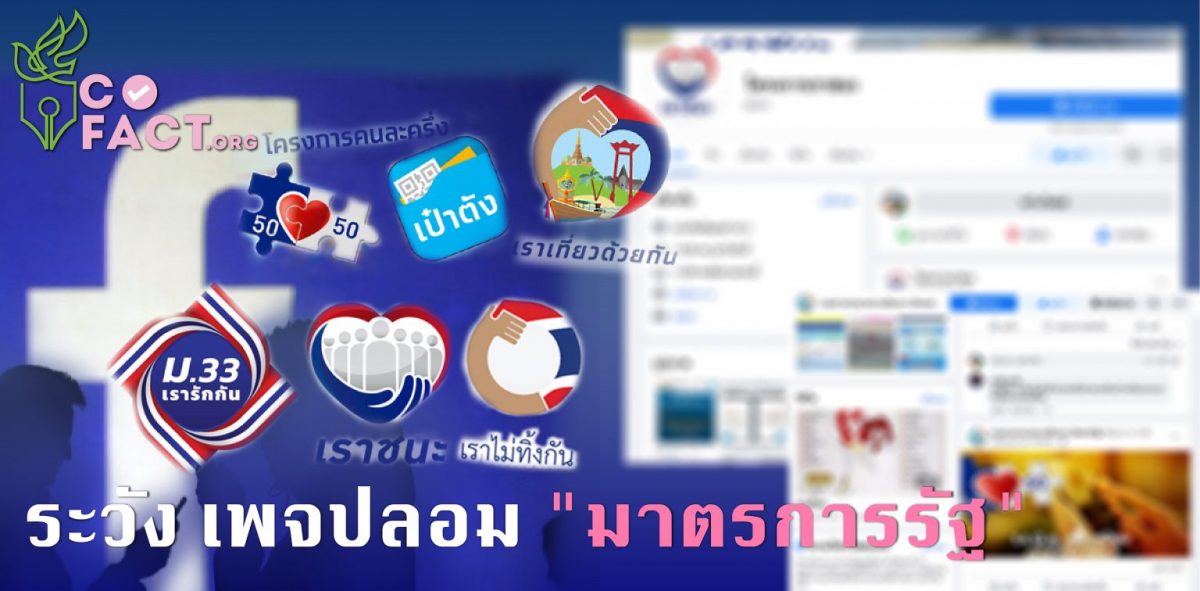
อย่างในกรณีของเพจนำเสนอข้อมูลที่เกี่ยวข้องกับนโยบายรัฐ โดยเฉพาะการช่วยเหลือเยียวยาผู้ที่ได้รับผลกระทบจากการแพร่ระบาดของไวรัสโควิด-19 เช่น เราไม่ทิ้งกัน เราเที่ยวด้วยกัน เราชนะ คนละครึ่ง และ ม33 เรารักกัน เพื่อมุ่งหวังให้เกิดผลประโยชน์ในด้านต่าง ๆ ตามมาเป็นการส่วนตัว
ทั้งนี้ กองบรรณาธิการเฉพาะกิจ TJA&Cofact ได้สำรวจข้อมูลเบื้องต้นพบว่ามีแฟนเพจในลักษณะที่เกี่ยวข้องกันกับโครงการเหล่านี้จำนวนมาก ทั้งที่ใช้ชื่อโครงการโดยตรง หรือใช้ทั้งชื่อโครงการและสัญลักษณ์โครงการ โดยที่ไม่ใช่การทำมาจากหน่วยงานภาครัฐที่รับผิดชอบ และบางส่วนได้นำเสนอข้อมูลที่ผิดไปจากความจริงมาก จนทำให้ผู้ที่เข้าไปหลงเชื่อว่า เป็นเพจทางการของรัฐ และเกิดการเข้าใจผิดได้
กองบรรณาธิการเฉพาะกิจ TJA&Cofact ยังได้ทำการสอบถามถึงกรณีนี้ไปยัง นายอนุชา บูรพชัยศรี โฆษกประจำสำนักนายกรัฐมนตรี โดยได้รับการยืนยันว่า เป็นห่วงเรื่องในลักษณะนี้เช่นกัน และตระหนักถึงเรื่องที่เกิดขึ้น โดยทางเพจที่จัดทำขึ้นแบบไม่เป็นทางการ หรืออาจเป็นเพจปลอมที่เกิดขึ้นส่วนใหญ่จะไม่ได้นำเสนอข้อมูลอย่างถูกต้องตรงจุดที่ทางหน่วยงานนั้นต้องการนำเสนอ หรืออาจบิดเบือนไปจากข้อเท็จจริงที่เกิดขึ้น โดยที่ผ่านมาทางหน่วยงานที่รับผิดชอบโครงการ หรือมาตรการเหล่านี้กออกมาแจ้งเตือนให้ประชาชนรับทราบ เช่น กระทรวงการคลัง ที่ได้มีการแจ้งเตือนอย่างเป็นทางการแล้ว
ทั้งนี้ในแนวทางการตรวจสอบข้อมูลที่ดีที่สุด รัฐบาลเองอยากให้ประชาชนที่ต้องการรับทราบข้อมูลของโครงการช่วยเหลือ เยียวยาต่าง ๆ ที่ออกมา ต้องติดตามข้อมูลข่าวสารในช่องทางที่เป็นทางการของหน่วยงานนั้นโดยตรง เช่น กระทรวงการคลัง หรือกระทรวงแรงงาน หรือเพจของรัฐบาล คือ ไทยคู่ฟ้า ที่มีข้อมูลจากหน่วยงานนั้น ๆ มานำเสนออย่างถูกต้องที่สุด หรือถ้าประชาชนมีข้อสงสัย ก็สามารถติดต่อไปยังหน่วยงานโดยตรงได้ผ่านหลากหลายช่องทาง ทั้งออนไลน์ และโทรศัพท์
“เพื่อให้เกิดความชัดเจนในการติดตามข่าวสารโครงการต่าง ๆ ของรัฐบาลที่ออกมาช่วยเหลือ หรือประชาสัมพันธ์ข้อมูล จึงขอให้ประชาชนติดตามข้อมูลข่าวสารผ่านช่องทางที่เป็นทางการ ทั้งเว็บไซต์ หรือ Facebook หรือช่องทางอื่น ๆ ได้ ขณะเดียวกันในด้านการตรวจสอบเว็บไซต์ หรือแฟนเพจปลอมต่าง ๆ ทางกระทรวงดิจิทัลเพื่อเศรษฐกิจและสังคม หรือ ดีอีเอส ก็กำลังติดตาม และคอยตรวจสอบอยู่อย่างต่อเนื่อง เพื่อป้องกันไม่ให้ประชาชนตกเป็นเหยื่อ และรับทราบข้อมูลข่าวสารจากภาครัฐที่ไม่ถูกต้อง”
ก่อนหน้านี้ทางกระทรวงการคลังเองได้ออกมาแจ้งเตือนประชาชน หลังพบว่ามีผู้แอบอ้าง หรือผู้ที่ทำเว็บไซต์ และจัดทำเพจ เฟซบุ๊กขึ้นมา โดยใช้ชื่อเหมือน หรือใกล้เคียงกับ โครงการของรัฐ โดยยืนยันว่า ประชาชนสามารถตรวจสอบข้อมูลข่าวสารและมาตรการช่วยเหลือต่าง ๆ ผ่านช่องทางที่เป็นทางการของกระทรวงการคลัง เว็บไซต์ www.mof.go.th หรือในเฟซบุ๊ก สถานีข่าวกระทรวงการคลัง และเว็บไซต์ www.fpo.go.th หรือในเฟซบุ๊ก สำนักงานเศรษฐกิจการคลัง : Fiscal Policy Office
ส่วนที่นอกเหนือไปจากนี้ขอให้ระมัดระวังในการพิจารณาข้อมูล และอย่ากรอกข้อมูลส่วนตัวใด ๆ ลงไปในเว็บไซต์เหล่านั้น
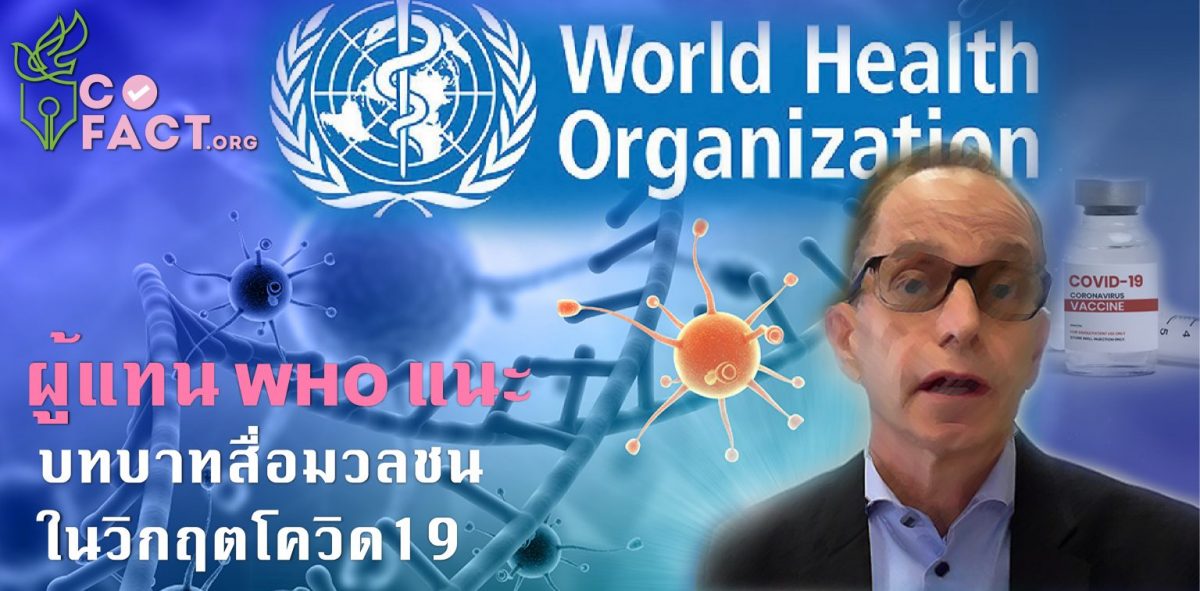
เมื่อวันที่ 2 มิ.ย. 64 องค์การอนามัยโลก ประจำประเทศไทย (World Health Organization Thailand) จัดเวทีให้ความรู้สื่อมวลชนในประเทศไทย ในหัวข้อ “การกระจายวัคซีนในประเทศไทย” ซึ่งมีสาระสำคัญเกี่ยวกับวัคซีน เพื่อสนับสนุนประชาชนและภาครัฐในการควบคุมการระบาดของโรคโควิด 19 โดยเชิญตัวแทนจากองค์การอนามัยโลกและผู้เชี่ยวชาญด้านสาธารณสุขจะมาให้ข้อมูลทางวิชาการ
โดยตอนหนึ่ง นายแพทย์แดเนียล เคอร์เทสซ์ ผู้แทนองค์การอนามัยโลกประจำประเทศไทย ได้ตอบคำถามสื่อมวลชนที่ถามว่า WHO ห่วงการนำเสนอข่าวแบบไหนเกี่ยวกับวัคซีน ที่สื่อมวลชนต้องระวัง รวมทั้งประชาชนต้องระมัดระวังข่าวแบบไหนเช่นกัน
นายแพทย์แดเนียล กล่าวว่า เราเห็นชัดเลยว่า ตั้งแต่ช่วงแรกที่เกิดการระบาด ข้อมูลหลากหลายและสับสนมาก บางทีไม่ใช่แค่ตัวโรคอย่างเดียว แต่วัคซีนอันไหนอย่างไร ดังนั้น การที่เราทำงานร่วมกับสื่อเป็นส่วนที่สำคัญอย่างมาก และก็เป็นกลไกสำคัญในการช่วยควบคุมและป้องกันโรค การส่งเสริมการไปรับวัคซีนของประชาชนด้วย เพราะฉะนั้น สื่อควรจะให้ข้อมูลที่ถูกต้อง ควรจะให้ประชาชนเข้าใจว่าเกิดอะไรขึ้น นอกจากเกิดอะไรขึ้นคือ สามารถประเมินตัวเองได้ว่าอยู่กลุ่มไหน ควรจะไปลงทะเบียนทำอะไรอย่างไร
ทั้งนี้ สื่อเป็นตัวหลักที่ช่วยกระจายข้อมูลที่ถูกต้องและส่งเสริมการไปรับวัคซีน อยากจะกระตุ้นเพื่อนๆ สื่อมวลชนอีกที ไม่ใช่วัคซีนป้องกันชีวิตได้อย่างเดียว การให้ข้อมูลที่ถูกต้องจะป้องกันชีวิตได้ด้วย อีกอย่างหนึ่งที่สำคัญไม่แพ้กัน เป็นสิ่งที่ WHO เองก็พูด ทางสื่อ ทางรัฐเองก็พูด ว่า ระหว่างที่เราให้คนฉีดวัคซีนได้มากพออย่าการ์ดตก ไม่ใช่ว่าวัคซีนมาแล้วทุกอย่างจะหายไป เราก็ต้องใส่หน้ากากเหมือนเดิม ล้างมือเหมือนเดิม Social Distancing เหมือนเดิม อย่าคิดว่า เดี๋ยววัคซีนมา คนฉีดแล้ว ทุกอย่างจะหายไป มันไม่ได้เป็นแบบนั้น อยากจะเป็นสิ่งที่ให้สื่อช่วยกระตุ้นด้วยว่า ให้ทุกคนมาฉีดวัคซีน แล้วก็ป้องกันตัวเองเช่นเดิม
นอกจากนี้ นายแพทย์แดเนียล ยังตอบคำถามที่ถามว่า WHO มีแนวทางการจัดการ Fake News ในเรื่องของการระบาดและวัคซีนอย่างไรว่า การจะสู้กับ Fake News จริง ๆ สู้ยากกว่าโรคอีก เพราะมันไม่เห็นว่ามาจากไหน มาได้ยังไง พูดง่ายๆ คือ ต้องให้สื่อกระแสหลักทำรีเสิร์ชให้ดี ๆ เช็กข้อมูลให้ดี ๆ ฟังใครก็ฟังคนที่ให้ข้อมูลที่น่าเชื่อถือ อย่าไปหยิบตรงนั้นตรงนี้ที่มาจากไหนก็ไม่รู้ เรียกว่าให้ทำ Investigative Journalism หรือการสื่อสารเชิงสอบสวน การหาข่าวเชิงสอบสวน ให้เช็กให้ดี ๆ เพราะว่าทุกคนก็มีบทบาทหน้าที่ เพราะสื่อไม่ใช่แค่ผู้รายงาน แต่ต้องเป็นผู้รายงานสิ่งที่ถูกต้อง เราจะสู้สิ่งที่ผิดได้ ก็คือเอาสิ่งที่ถูกไปให้เยอะกว่านั้น อันนี้จะต้องทำเรื่อย ๆ ไม่ใช่ว่าโรคระบาดอย่างเดียว เรื่องอื่น ๆ ด้วยเช่นกัน สื่อสิ่งที่ดีออกไปก็จะเป็นการกำจัดสิ่งที่ไม่ดีได้ อีกอย่างคือความเชื่อมั่น จะต้องเชื่อมั่นในหลายๆ ส่วน เชื่อมั่นในเจ้าหน้าที่บุคลากรการแพทย์
แล้วก็ประเทศไทย คนก็ค่อนข้างเชื่อมั่นบุคลากรทางการแพทย์ค่อนข้างมาก ไปถึง อสม. ต่าง ๆ ระดับนั้นเลย แล้วเราก็เห็นหลายๆ ประเทศ เช่น ภูฏาน ที่รัฐบาลทำให้ประชาชนเชื่อถือ ก็จะทำให้การฉีดวัคซีนทำได้มากขึ้น เพราะเชื่อมั่นสิ่งที่รัฐบาลบอกมาเป็นสิ่งที่ถูกต้อง คือ เมื่อไหร่ก็ตามที่มีความเชื่อมั่นกันและกัน จะบริหารจัดการทุกอย่างได้ง่ายขึ้น รวมถึงการบริหารจัดการโรคด้วย แล้วก็ส่งผลต่อการฉีดวัคซีนได้มากขึ้นด้วย
“ถ้าจะขอร้องสักข้อหนึ่งถึงสื่อมวลชนก็อยากให้อย่าคิดว่าตัวเองไม่สำคัญ สื่อสำคัญมาก ช่วยชีวิตคนอื่นได้ด้วยการให้ข้อมูลที่ถูกต้อง ให้ข้อมูลที่ถูกต้อง โดยเฉพาะความมีประสิทธิภาพของวัคซีน ความปลอดภัยของวัคซีน ความจำเป็นในการไปฉีดและรับวัคซีน เป็นสิ่งที่อยากจะขอร้องให้สื่อกระจายให้ประชาชนเข้าใจถูกต้องด้วย”
นายแพทย์ แดเนียล กล่าว
จริงหรือไม่…? ผู้รับวัคซีนทั้งหมดจะเสียชีวิตใน 2 ปี
เพราะ…Luc Montagnier ไม่ได้พูดประโยคดังกล่าว ไม่มีหลักฐานใดอ้างอิง แม้เขาจะไม่เห็นด้วยกับวัคซีนก็ตาม
อ่านต่อได้ที่ https://cofact.org/article/169hziuu8ddop
จริงหรือไม่…? องค์การอนามัยโลก รับรองวัคซีนซิโนแวค
เพราะ…ผลิตโดย ซิโนแวค ไบโอเทค สำหรับรายการใช้ในกรณีฉุกเฉิน เพื่อปูทางสู่การใช้วัคซีนตัวที่ 2 ของจีน ในประเทศยากจน
อ่านต่อได้ที่ https://cofact.org/article/xrvv8siq2fgf
จริงหรือไม่…? บมจ.ธนบุรี เฮลท์แคร์ กรุ๊ป เปิดลงทะเบียนสำหรับผู้ที่สนใจวัคซีนทางเลือก Moderna
เพราะ…เป็นการสำรวจความต้องการ โดยให้ลงชื่อและรายละเอียดไว้ก่อน รพ.จะติดต่อกลับอีกครั้งเมื่อวัคซีนพร้อมให้บริการ
อ่านต่อได้ที่ https://cofact.org/article/5ob6bvq3703w
จริงหรือไม่…? WHO ตั้งชื่อใหม่ ของโควิด กลายพันธุ์
เพราะ…เปลี่ยนมาใช้ตัวอักษรกรีกแทน เพื่อจดจำและออกเสียงง่าย ไม่ต้องตีตราให้เข้าใจผิดว่าเป็นประเทศต้นกำเนิด
อ่านต่อได้ที่ https://cofact.org/article/1y7wun8jrwj5n
จริงหรือไม่…? ผู้ป่วยความดันโลหิตสูงกับการฉีดวัคซีน
เพราะ…เป็นคำแนะนำจาก รพ.จุฬาฯ สำหรับผู้เป็นโรคความดันฯ เพื่อเตรียมความพร้อมในการฉีดวัคซีนโควิด
อ่านต่อได้ที่ https://cofact.org/article/3g7j4yq2qkes1