Indigenous Identity in Thailand Distorted by Misinformation
By Alessio Kyaw, Intern at Cofact Thailand
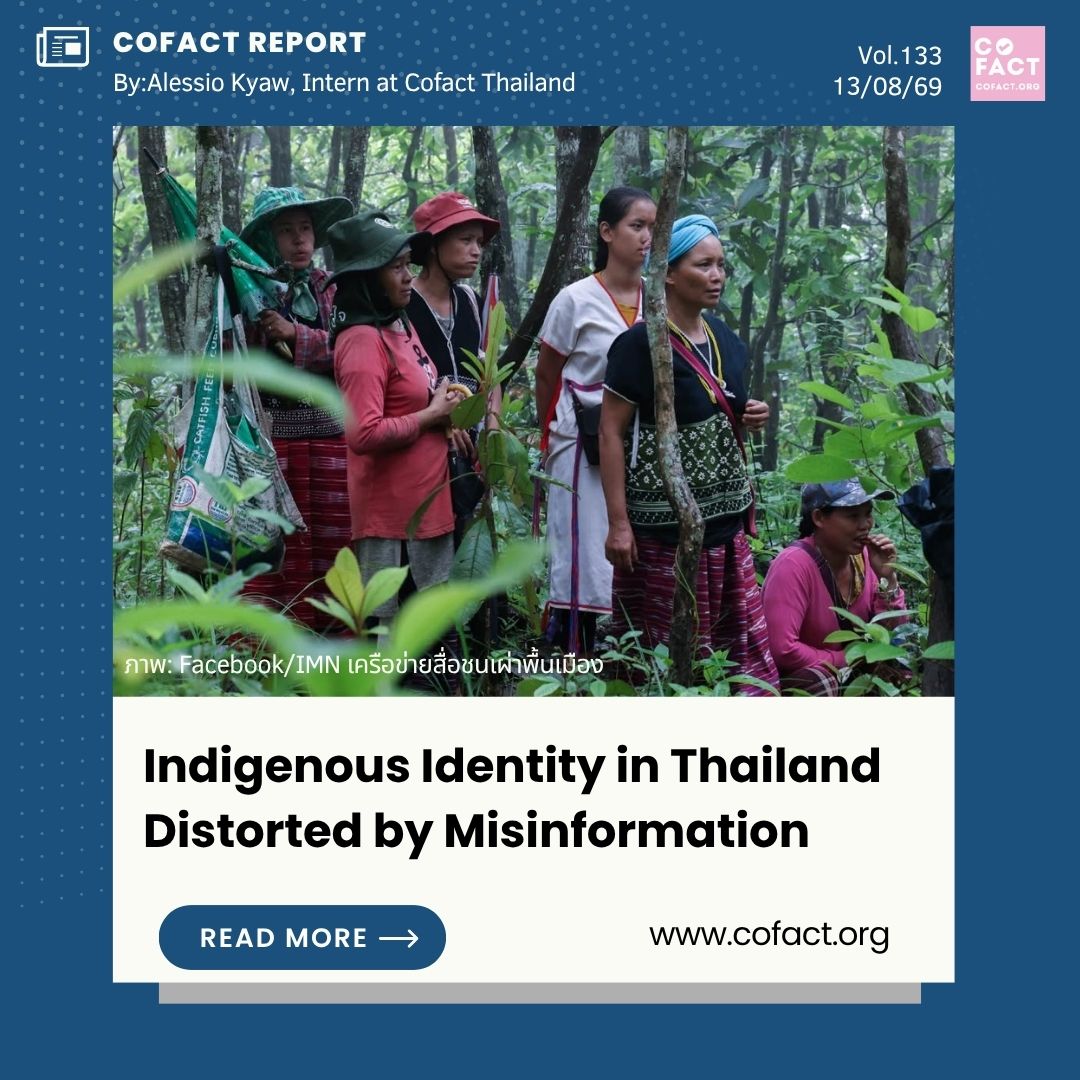
Misinformation surrounding Thailand’s Indigenous communities continues to influence public opinion, particularly regarding environmental issues, land rights, and cultural identity. Advocacy groups and Indigenous representatives argue that inaccurate narratives have contributed to discrimination against Indigenous Peoples.
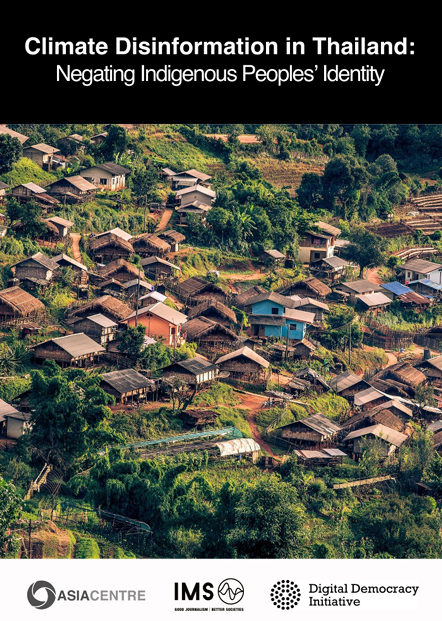
A 2025 report published by Asia Centre and International Media Support (IMS) found that such misinformation has contributed to the long-standing negation of the identity of Indigenous Peoples, fuelling forced evictions and criminalisation of Indigenous communities, especially the Karen communities in Northern Thailand.
Indigenous Peoples make up approximately 10% of Thailand’s population and can be broadly categorised into Northern and Southern Indigenous groups. The Northern tribes, often referred to as hill tribes, primarily reside in the mountainous provinces of Chiang Mai, Chiang Rai, and Mae Hong Son. Many of these communities trace their origins to migration from present-day Myanmar, China, and Laos centuries ago.
In Southern Thailand, Indigenous communities include hunter-gatherer groups who rely heavily on local ecosystems and move through rainforest environments. The Sea Nomads, also known as the “Chao Ley”, inhabit coastal areas along the Andaman Sea and Southern regions of the country.
Although Thailand has not formally recognised Indigenous Peoples under domestic law, legal protections have expanded in recent years. The Protection and Promotion of the Way of Life of Ethnic Groups Act B.E. 2568 (2025), promulgated in September 2025 provides safeguards for cultural practices and traditional ways of life. The legislation guarantees several fundamental rights, including protection from discrimination, preservation of language and culture, community-based education, and equal access to public services.
Thailand has also ratified major international human rights instruments, including the International Convention on the Elimination of All Forms of Racial Discrimination (ICERD) and the International Covenant on Civil and Political Rights (ICCPR).
Several local and international media and rights-based organisations have taken initiatives to combat misinformation and prejudice against indigenous communities. These include Cofact, which runs fact-checking and media-literacy campaigns, backed by the Friedrich Naumann Foundation (FNF); the Indigenous Media Network (IMN),which publishes first-hand reports by Indigenous communities; and the Cross-Cultural Foundation (CrCF), whichprovides legal aid in many human rights-related cases. The United Nations Development Programme (UNDP) and International Media Support (IMS) have also supported the research and programming behind much of this work.
In 2007, Thailand voted in favour of the United Nations Declaration on the Rights of Indigenous Peoples (UNDRIP) alongside 143 other countries. However, despite its support for the declaration, the government continues to classify Indigenous communities as ethnic groups rather than formally recognising them as Indigenous Peoples. As a result, debates concerning identity, land rights, and cultural recognition remain ongoing.
Their collaborations and initiatives have helped address misinformation and human rights concerns affecting Indigenous communities. Their efforts focus on raising public awareness, supporting community development initiatives, and ensuring that Indigenous voices are represented accurately in public discourse.
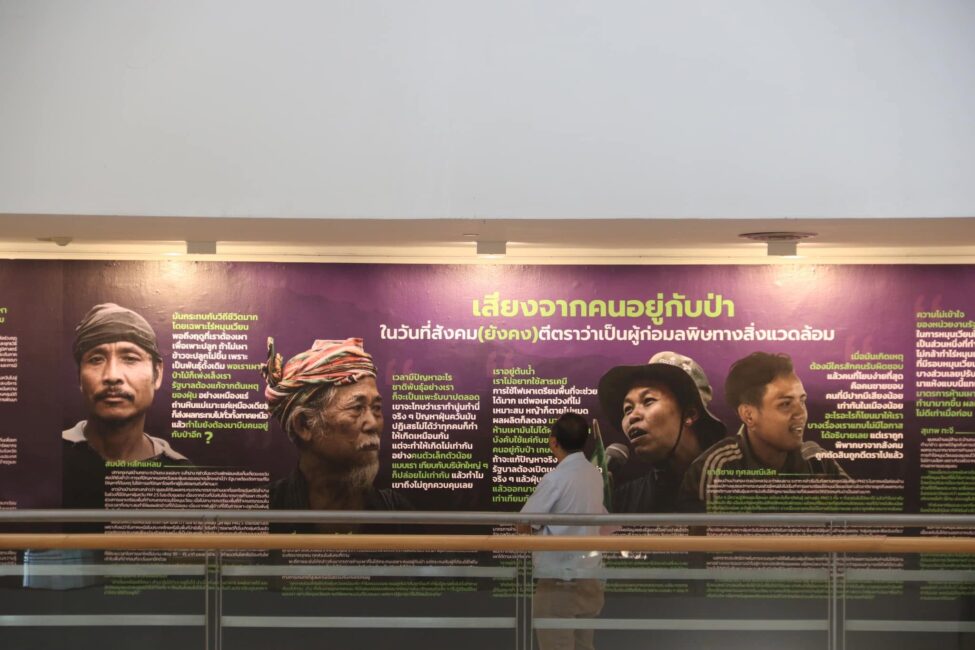
One of the most prominent examples concerns PM2.5 pollution, which consists of microscopic airborne particles that can cause respiratory illnesses and other health problems. Karen communities have frequently been blamed for contributing to PM2.5 pollution through traditional agricultural burning practices. These accusations have often portrayed Indigenous Peoples as environmental offenders responsible for forest destruction and poor air quality in Thailand.
Much of this work has focused on Northern Indigenous communities, particularly in response to misinformation linked to environmental issues. The growing use of artificial intelligence (AI) and digital media has accelerated the spread of misleading content about Indigenous traditions, livelihoods, and agricultural practices.
In 2020, a government official stated during a press conference that 99% of forest fires in Chiang Mai between 2019 and 2020 were caused by traditional Indigenous agricultural practices. Such claims attracted widespread attention and reinforced negative perceptions of Indigenous communities.
However, researchers and Indigenous advocates have challenged these claims. Studies have presented evidence suggesting that forest management involving Indigenous communities can help reduce wildfire risks. Research from the University of Warwick by Professor of Behavioural Science Ivo Vlaev, for example, found that protected areas may be more vulnerable to forest fires when Indigenous communities are excluded from nearby landscapes.
“Globally, indigenous peoples’ lands cover over 36% of intact forest landscapes, making them crucial for mitigating severe climate change. We also know that the loss of intact forest landscapes has been significantly lower on indigenous lands compared to other areas,” he said.
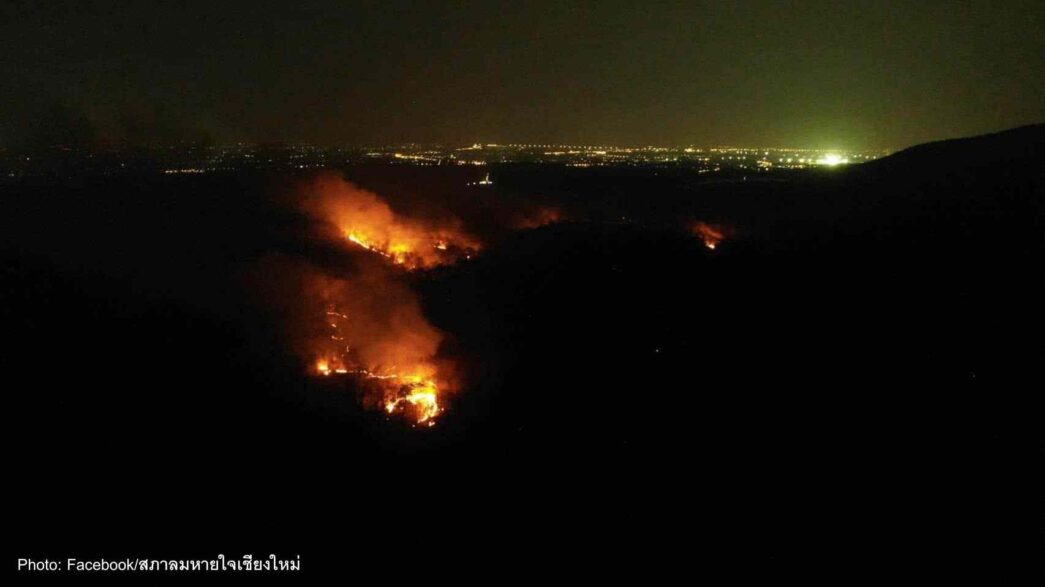
Local initiatives have also demonstrated Indigenous contributions to environmental protection. In Pa Pae, a Karen village in Doi Chang, Lamphun province, community members organised volunteer groups to combat forest fires and install fire-prevention systems. Volunteers reportedly worked long shifts to contain blazes and protect forests from further damage.
Advocates argue that misinformation surrounding climate issues has contributed to public hostility against Indigenous Peoples, turning them into scapegoats for broader environmental challenges. This has occurred despite growing legal protections intended to safeguard Indigenous cultures and communities.
Organisations such as Cofact, CrCF, and their partners continue to challenge inaccurate narratives through fact-checking, public education campaigns, and community engagement. Their efforts seek to encourage greater understanding of Indigenous issues and promote evidence-based discussions about environmental management and human rights.
An event scheduled for 13 September 2026 in Bangkok aims to further raise awareness of misinformation affecting Indigenous communities among the public. Cofact, along with IMS, hopes the event will provide a platform for Indigenous voices, highlight factual information, and encourage public discussion about the challenges these communities face.
“Especially during the age of AI, false information can be easily generated to manipulate the public and narratives can be easily distorted,” said Supinya Klangnarong, one of the co-founders of Cofact.
Many advocates have emphasized that collaboration between local communities, civil society organisations, researchers, and international partners remains essential to protecting Indigenous rights. As debates over identity, environmental stewardship, and cultural recognition continue, many believe that ensuring accurate representation and access to reliable information will play a key role in shaping the future of Thailand’s Indigenous Peoples.
Reference
- Asia Centre and IMS report regarding the misinformation against the indigenous people of Thailand \
- Protection and Promotion of the Way of Life of Ethnic Groups
- International Convention on the Elimination of All Forms of Racial Discrimination
- International Covenant on Civil and Political Rights
- Connect the Dots with UNDP: Beyond Hotspots – Addressing Haze at Its Roots
- The latest lie, Thailand’s Indigenous people blamed for climate change
- Protected areas in Thailand at a higher risk of forest fires when located away from indigenous communities
- Ethnic Karen use innovation to battle wildfire, Thai government regulation