Int’l Fact-Checking Day 2026: Collective Action Against AI-Era Disinformation
The International Fact-Checking Network (IFCN) has designated April 2 each year as International Fact-Checking Day, following April Fools’ Day, to remind the public of the importance of verifying facts before believing or sharing content, to prevent the spread of misinformation and disinformation.
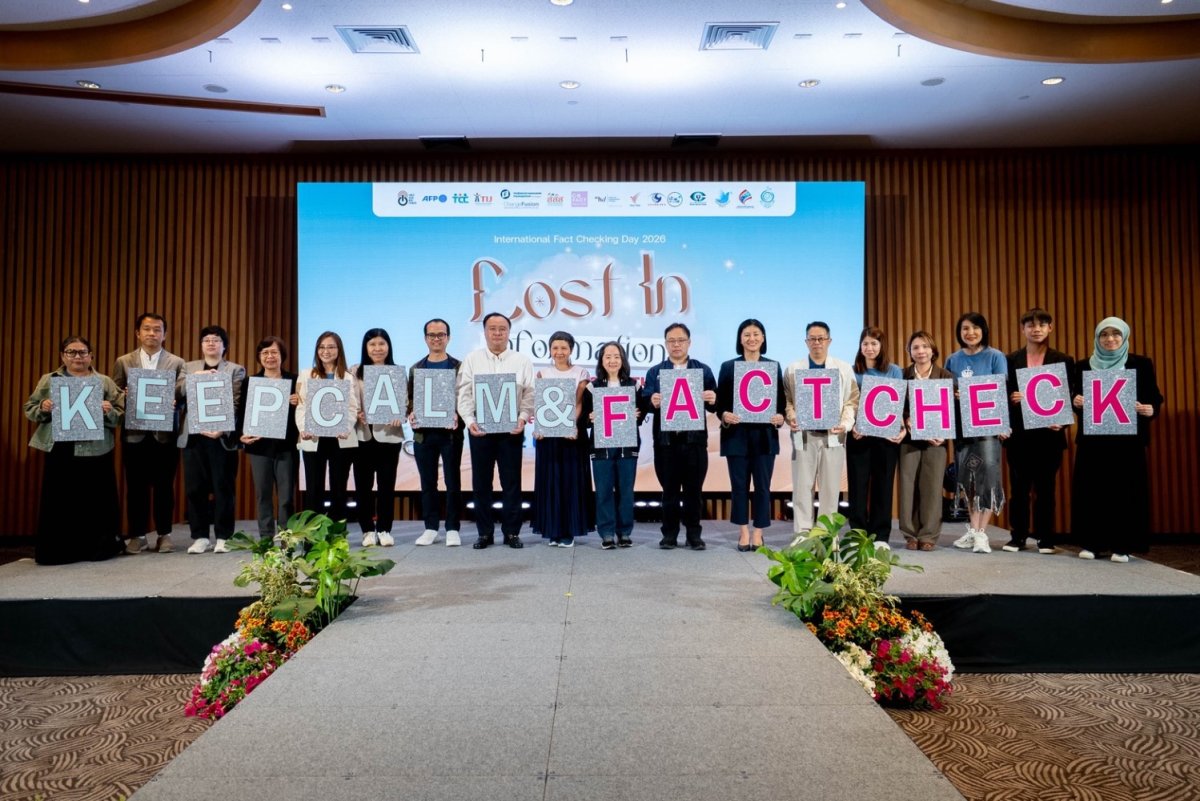
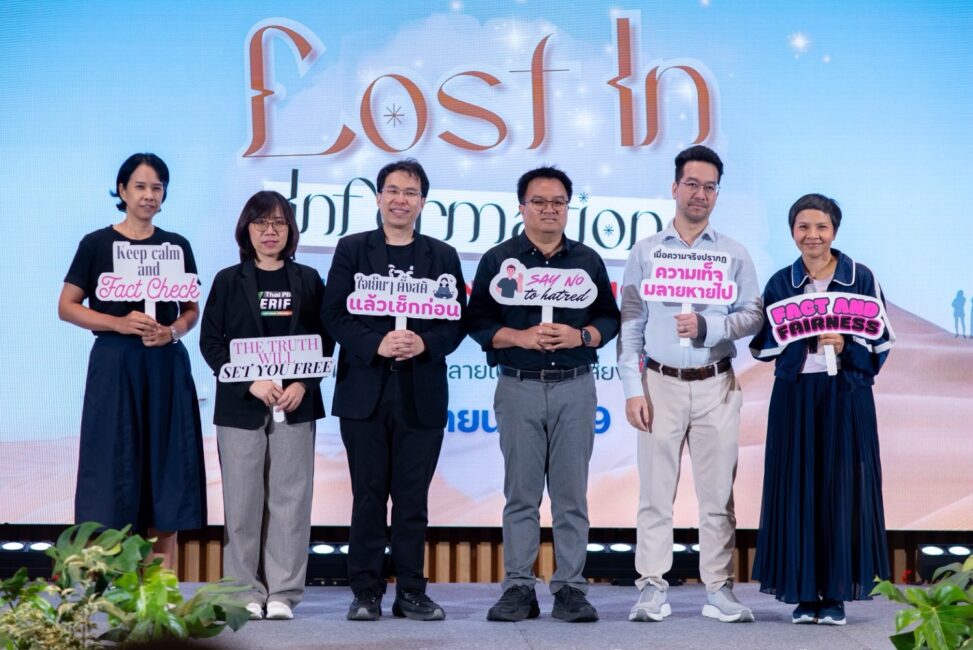
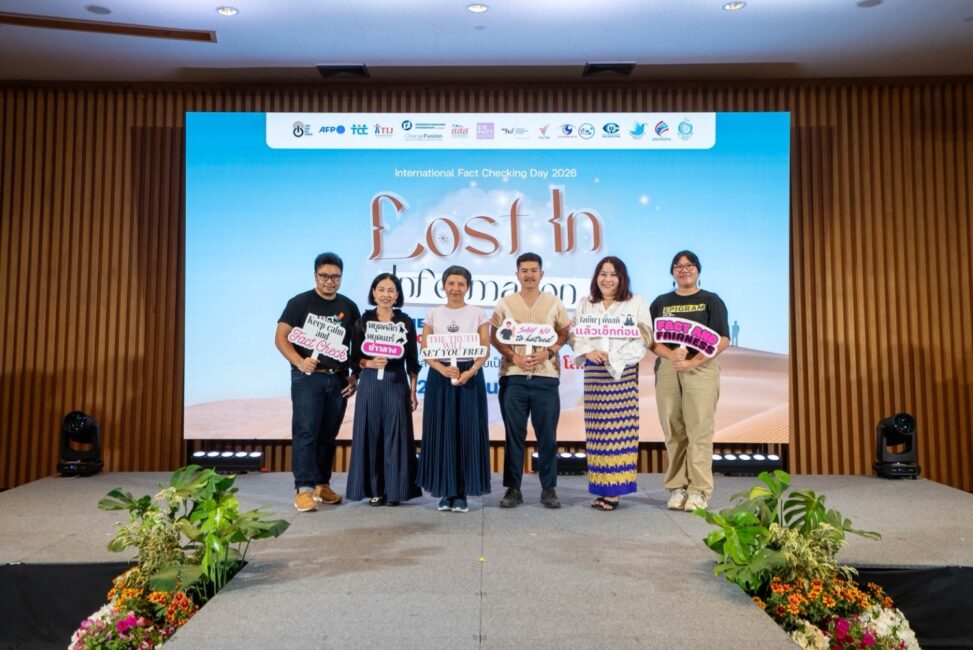
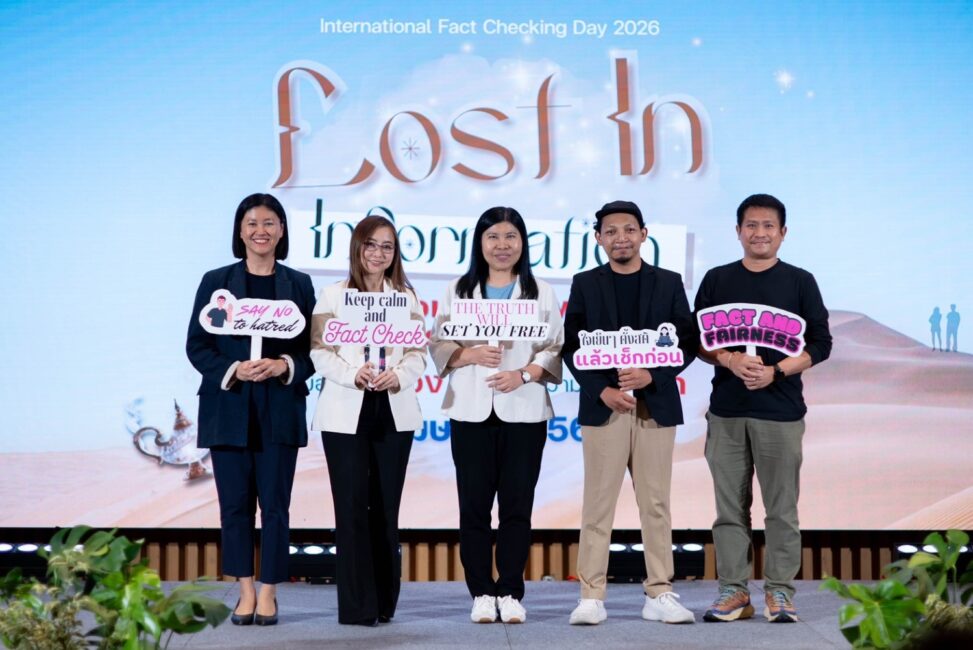
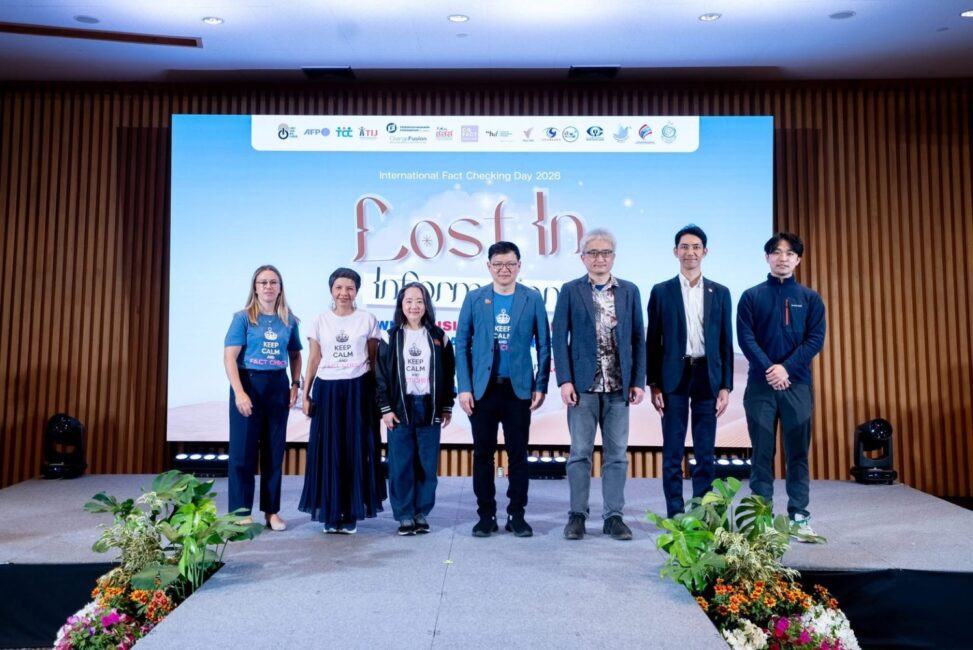
On April 2, 2026, Cofact Thailand and its partners held an event marking International Fact-Checking Day at the Bangkok Art and Culture Centre under the theme “International Fact-Checking Day 2026: Lost in Information — When Disinformation Becomes a Global Risk,” with support from the Thai Health Promotion Foundation (ThaiHealth) and Friedrich Naumann Foundation for Freedom.
Supinya Klangnarong, co-founder of Cofact Thailand, said the event has been held annually since 2020, when the world was grappling with both the Covid-19 outbreak and a surge in health-related disinformation. In 2026, disinformation remains a major global concern, with the World Economic Forum again listing it among global risks. This highlights the far-reaching impact of false information, particularly in the era of artificial intelligence (AI).
“When disinformation becomes a global risk, one key response is to slow down and verify facts. Simply put, keep calm and fact-check,” Ms Supinya said, noting that this aligns with the mission of the ThaiHealth to promote a reliable information ecosystem for well-being and help the public stay grounded amid rapid change.
Pongthep Wongwatcharapaiboon, manager of ThaiHealth, said health-related misinformation is particularly widespread, driven by fear and commercial interests, including misleading advertising and the use of deepfake technology.
Supinya Klangnarong, co-founder of Cofact Thailand, said the event has been held annually since 2020, when the world was grappling with both the Covid-19 outbreak and a surge in health-related disinformation. In 2026, disinformation remains a major global concern, with the World Economic Forum again listing it among global risks. This highlights the far-reaching impact of false information, particularly in the era of artificial intelligence (AI).
“When disinformation becomes a global risk, one key response is to slow down and verify facts. Simply put, keep calm and fact-check,” Ms Supinya said, noting that this aligns with the mission of the ThaiHealth to promote a reliable information ecosystem for well-being and help the public stay grounded amid rapid change.
Pongthep Wongwatcharapaiboon, manager of ThaiHealth, said health-related misinformation is particularly widespread, driven by fear and commercial interests, including misleading advertising and the use of deepfake technology.